
Jason Robertson

About
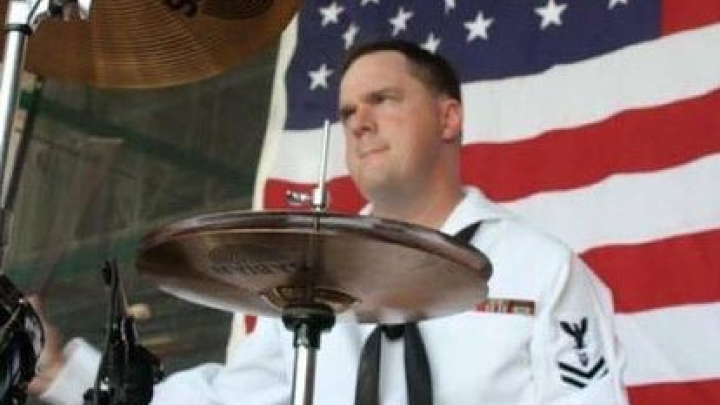
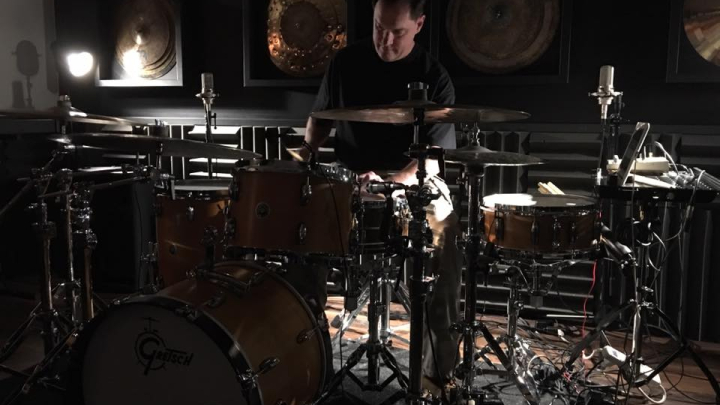
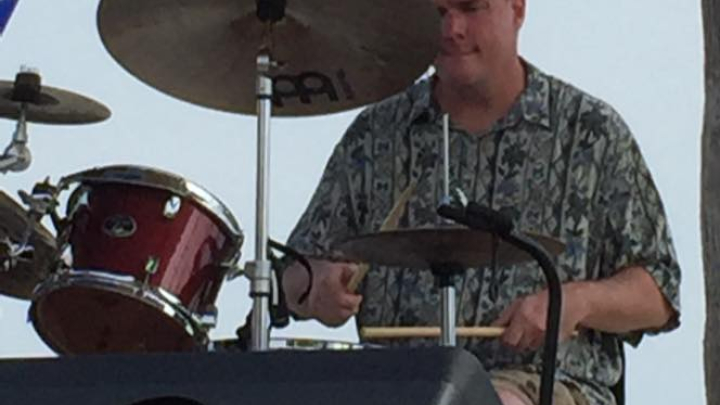
After 20 years as a Navy Musician I retired in 2013. I've played the drums for 40 years and have taught for 25 years. I have played in a wide variety of groups from concert bands, top 40 rock bands and Jazz bands. Classes will include learning to read music, learning different styles of music as well as music theory and history of drumming.
I've studied with many drum teachers over the years but most recently I've studied with Jim Riley (drummer for Rascal Flatts) and Mike Johnston.
I studied music education at Western Carolina University and both the basic and advanced courses at the Armed Forces School of Music in Little Creek, VA.
Teaching Style
I believe teaching should be done so in a positive and encouraging environment.
Curriculum
Why is learning to read music important?
When you can read music you have access to an infinite amount of possibilities. There are books on different musical styles, concepts and transcriptions. Without knowing how to read music you limit yourself to your own culture and various forms of media that are available. A drummer that can read is far more marketable than one that cannot. I never lost a gig because I could read music, but a drummer that can't read music might not get the gig.
Snare drum
Discuss how to hold the sticks
Learn warm ups and exercises to develop proper technique
The Drum Roll
Learn the Rudiments
Rudimental Snare Drumming
Concert Snare Drumming
Drum set
Learn a Basic Rock Beat
Develop Bass Drum Rhythms
Discuss Phrasing
Discuss Drum Fills and How They Fit into a Song
How to use "Voicing" within a Song
Develop Better Time Skills
Develop Different Ride Patterns
Blues and 12/8 Patterns
Funk
Linear Drumming
Jazz
Comping
Big Band Reading
Using Brushes
Latin
Bosa Nova
Samba
Jazz Samba
Songo
Afro-cuban
Mentoring
How to set up a drum set
Goal Planning for a Career in Music
How to start Gigging
Keeping a great Attitude in a Band Environment
Music Coaching - Concept Teaching
Most drummers are self taught to some degree. Most of us also learn to play by listening to the recordings of songs that interest us. Eventually you may find yourself in a band and will need to come up with "on the spot" grooves and fills that are tasteful to the song. Most books and teachers will give groove studies and all kinds of chop exercises but what about playing with taste. It's a true skill set to hold back emotions so you can execute that musical moment without rushing or dragging. What about reading jazz charts? When your reading on a gig you have NO time to think about that set up or fill. I can help you work through these mind games so that you're responding to the written music as well as the music you hear effectively and efficiently.
Credentials & Affiliations
Retired Navy Musician