
Boaz Curry-El
About
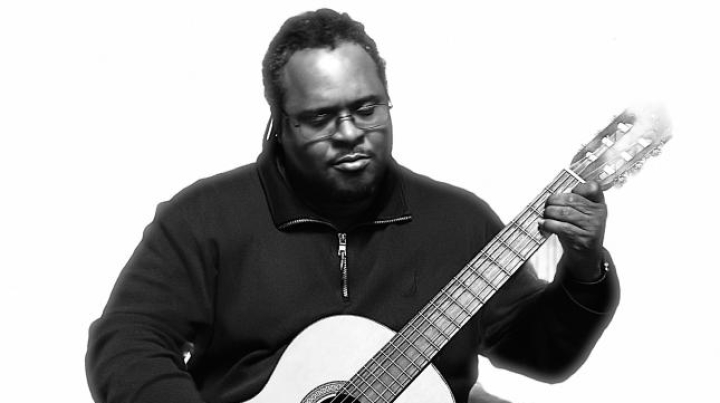
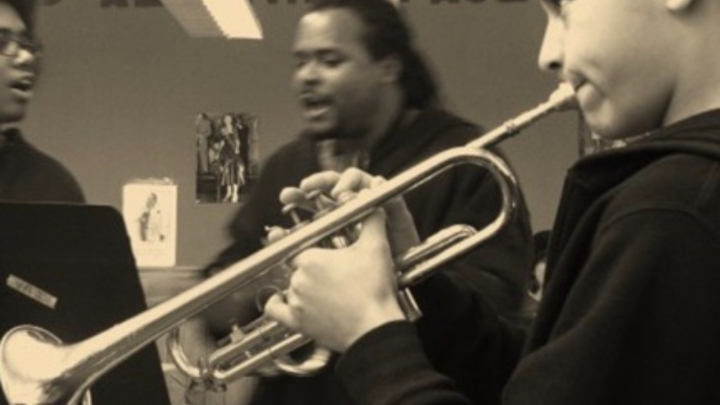
I have taught music for more than twenty years — kids, teens, and adults, beginners through advanced. I hold a Master of Arts in Jazz Studies from the University of Texas at Arlington (2025) and a Bachelor of Arts from Virginia State University. I also completed an educator preparation program at Prescott College and have taught in schools, churches, music stores, and a home studio in the Dallas–Fort Worth area.
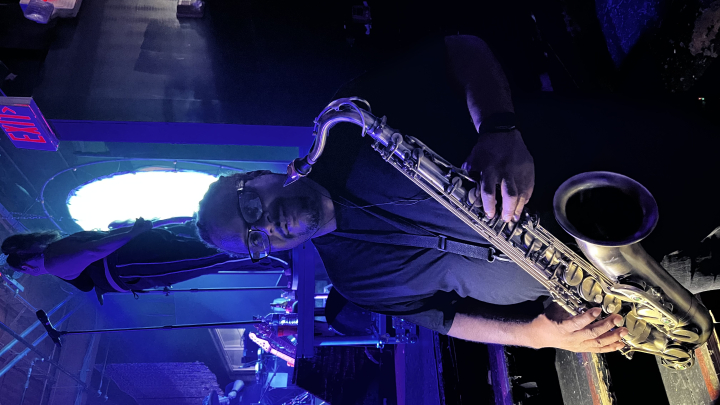
My main instrument is saxophone (soprano, alto, and tenor). I also teach flute, clarinet, guitar, piano, and percussion. I perform regularly as a saxophonist, including with the Dallas tribute band Bricks in the Wall.
Teaching Style
Lessons are built around what you actually want to play. Technique matters, but it has to serve the music you care about — jazz, popular tunes, church music, school band music, or just getting a clean first sound. I listen first, then we make a simple plan: tone, rhythm, reading or ear training, and a piece you will enjoy practicing.
I work especially well with:
• Beginners who need patience and clear steps
• Students who have tried an instrument and stalled
• Kids and teens who learn better when the lesson feels like music, not a drill
• Adults starting later in life
• Players who want jazz language, improvisation, and better listening
If you play more than one instrument, we can use that. A little piano helps a sax player hear harmony. A little guitar helps a singer or a horn player understand chords. I will not force a rigid method book if it is killing the joy — but I will keep standards high so you improve every week.
What a typical lesson looks like
We start with a short warm-up and a check of last week’s practice. Then we work one focused skill and apply it to a song. I send clear notes after the lesson so you know exactly what to do before we meet again. Online lessons use the same structure as in-person: camera on the hands or horn, slow demonstrations, and playing together.
I expect regular practice, even if it is only 15 focused minutes. I do not expect perfection. I expect honesty about what felt hard so we can fix it next time.
If you are not sure which instrument to start with, say so. We can figure that out in the first conversation.
Curriculum
Teaching Method
I do not run every student through the same book from page one. First I find out what you want to play, what you already know, and how you learn. Then we build a simple weekly plan.
Most lessons follow the same shape:
1. Warm-up that actually serves the instrument (sound, air, time, or relaxed hands).
2. One technical focus — tone, rhythm, scales, reading, or a small jazz/ear skill.
3. Apply that skill to a song you care about.
4. Short, clear practice assignment for the week.
For beginners I keep the steps small and musical so you hear progress fast. We learn by ear and by reading, not one or the other. For school-band students I support what they are already playing in class. For jazz students I work sound, time, repertoire, and improvisation in that order — language after the horn actually works.
Kids get shorter tasks and more playing. Adults get honest feedback and a plan that fits a real schedule. If a method book helps, we use it. If it is slowing you down, we change it. The method is there to serve the student, not the other way around.
Recommended Student Texts
I choose books after I hear you play. These are the ones I use most. You do not need all of them on day one.
Saxophone / clarinet / flute
• Essential Elements (beginning band)
• Rubank Elementary / Intermediate Method
• Standard of Excellence
• Klose (clarinet)
• The Jazz Method for Saxophone — John O’Neill
• Patterns for Jazz — Coker
• The Real Book (when the student is ready)
Guitar
• Essential Elements for Guitar
• Hal Leonard Guitar Method
• Mel Bay Modern Guitar Method
• A simple chord/song collection matched to the student’s style
Piano
• Faber Piano Adventures (kids)
• Alfred’s Basic Adult Piano Course (adults)
• Bastien (young beginners)
• A lead-sheet / fake-book approach once chords are solid
Percussion / drums
• Essential Elements for Percussion
• Vic Firth / Haskell Harr snare methods (as needed)
• A basic rock/funk groove book plus a metronome routine
All instruments
• A tuner and a metronome (app is fine)
• Short recordings of the style the student wants to play
• One piece they chose themselves, every term
Beginners can start with no book. I will tell you exactly what to buy after the first lesson so you are not spending money twice.
Credentials & Affiliations
• M.A., Jazz Studies — University of Texas at Arlington, 2025
• B.A., Individualized Studies — Virginia State University
• Educator Preparation Program — Prescott College
• Private and school music instructor, 2004–present
• Saxophonist, Bricks in the Wall (Dallas), 2022–present
• Instruments taught: saxophone, flute, clarinet, guitar, piano, percussion
