Eileen Li

About
What You'll Gain
You want to play music that actually means something to you. That's exactly what we'll build together.
In my lessons you develop real ear training—the ability to hear, understand, and appreciate what you're playing, not just press the right keys. You'll gain strong technique, smarter practice habits, and the confidence to perform. And you'll understand the music itself: why it moves the way it does, and why it matters. Some weeks that means digging into the story behind a piece, its composer, or the era it came from—history and literature are part of the training, not extras.
Every student is different, so every lesson is built around yours—your goals, your pace, your taste. I work with absolute beginners through advanced players, and I especially welcome students who learn differently. If your child struggles with traditional music instruction—spatial orientation, reading notation, sensory overload, or sustaining focus—I build the lesson around how they actually learn, using tactile cues, audio-first imitation, and flexible pacing. Five years of experience with neurodivergent students (SPD, ADHD, autism) means I won't give up on a child that other teachers have.
About Me
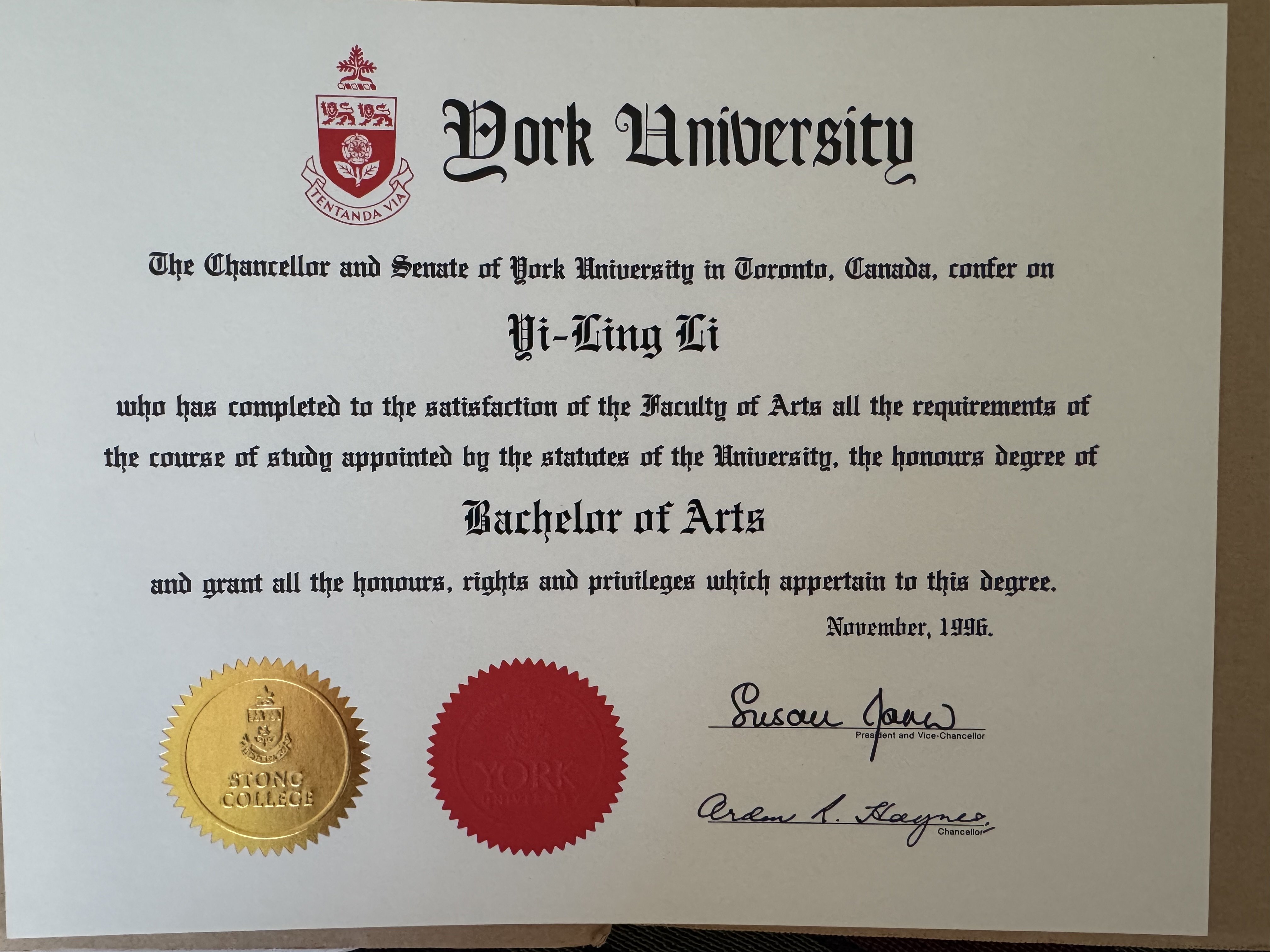
Classical training in the Russian School tradition, studying under teachers from the Moscow Conservatory and Eastern European concert pianists. B.A. in Music (York University, Toronto) · RCM Grade 10 Certified Pianist · International Mozart Competition (Austria) · Music Director, Cheltenham United Church, 2010–2020 · 10+ years teaching students of all ages and levels, including five years specializing in neurodivergent learners.
My method draws on the technical rigor of the Russian School and the ear-first philosophy of Suzuki—adapted to each student's learning style, never applied rigidly.
Teaching Style
My Teaching Approach
Good piano playing comes down to two things: a technique that feels easy, and an ear that actually hears what's happening. So that's where we start. I help you build the physical side—hand position, finger strength, smooth movement across the keys—so playing feels natural instead of tense. This comes from my own training in the Russian School tradition, where technique is built deliberately, from the ground up, rather than picked up by accident.
But technique is really just the vehicle. We spend just as much time on listening and understanding. You won't just hit the right notes; you'll hear what you're doing, feel the shape of a phrase, and know why it moves the way it does.
I explain things clearly and show you step by step, adjusting as we go so nothing gets lost along the way. For students who learn differently, that adjustment goes deeper—sometimes we set the sheet music aside and work by ear first, or use physical cues instead of visual ones, because the goal is understanding, not a fixed route to it. The aim is confidence and precision—without squeezing the fun out of it.
Now and then, when it genuinely helps, we'll dig into the history or the story behind a piece. It's not a weekly thing, just something I bring in when it adds something. The main focus stays on your playing and your expression.
And really, what I'm after? I want you to sit down at the piano and play freely—relaxed, honest, and comfortable in your own sound. Doesn't matter where you are in your journey. That's the whole point.
Curriculum
My Teaching Method
I don't stick to just one book. Instead, I draw from a toolkit of trusted methods—blending the listening focus of Suzuki with the clear structure of Alfred, Faber, and Bastien—to build a path that fits your specific needs.
At the heart of my approach is the rigorous technical foundation of the Russian School. This tradition emphasizes proper hand shape, natural weight, and deep tonal control—ensuring your fundamentals are rock-solid from day one. But I don't apply this rigidly. For students who learn differently (especially those with sensory or spatial challenges), I adapt these principles using the Suzuki philosophy of ear-first learning and modeling.
Instead of forcing a child to read notes they can't yet visualize, we listen, watch, and imitate until the music lives in their body. I use tactile cues, color-coded guides, and flexible pacing to bridge the gap between the score and their unique way of experiencing sound.
Whether you're a child taking your first steps or an adult returning to the keys, I mix these approaches to keep lessons engaging and effective. My goal is to find the right balance of reading, ear training, and creativity so you actually want to come back week after week.
Credentials & Affiliations
7th International Mozart Competition Piano Competition, Salzburg, Austria, 1999
Royal Conservatory of Music | Gr. 10: Piano, 1996
York University - Bachelor of Arts: Psychology | Music, Toronto, Canada, 1996