
Steffen (JdaPlay) Ehrenpreis
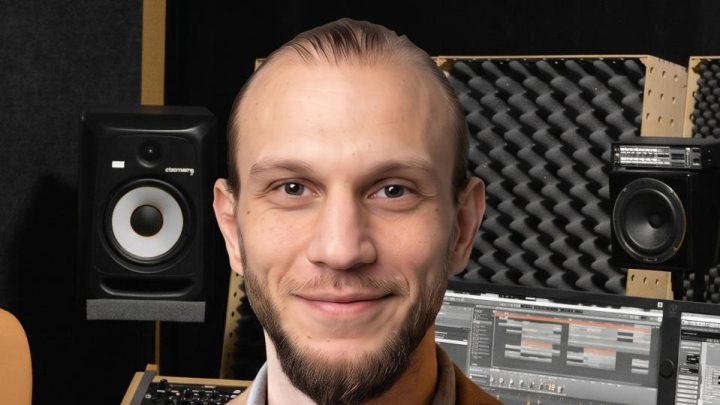
About
Music production and audio engineering are my home base. I have over 15 years of hands-on experience in full-stack recording, editing, mixing, and mastering in Cubase, developed in my own studios, including productions for SWR3 and Nickelodeon. Beatmaking is one of my core specialties, primarily using Native Instruments Maschine, and I feel most at home in Hip-Hop and Rap, both as a producer and as a mentor.
What I help with most, however, is not a single technical skill, but artistic direction as a whole. I have worked with young and emerging artists for more than a decade, and what most of them need is not more information, but someone who has been through enough real-world projects to provide clarity, structure, and focus. My guidance comes from practical experience, not theory.
One of my greatest strengths is a relatively rare combination: I am an artist myself and naturally empathetic, while also working at a high professional production level. That balance has defined my entire career and allows me to connect with artists on a personal level while contributing advanced technical expertise.
The City of Mannheim appointed me as a UNESCO City of Music Ambassador, and SAP honored me with the Social Impact Award for a youth music education project that I led. As a result, mentoring has never been a side activity for me—it has always been an integral part of my professional journey.
In addition, I integrate modern AI tools into my workflow for cover artwork, music videos, and visual storytelling, helping artists create professional-quality content efficiently while maintaining a strong creative vision.
Although I can work in English, German is my preferred language for mentoring and collaboration. My strongest expertise lies within the German music industry and cultural landscape, allowing me to provide market-specific guidance, practical insights, and advice tailored to artists who want to establish themselves in the German-speaking market.
Teaching Style
I am almost entirely self-taught. Since 2007, I have built and operated my own studios, learning through real-world projects rather than formal education. I never earned a degree or completed traditional audio engineering training. Instead, I developed my skills by recording, mixing, and producing music for real clients and artists, refining my craft through years of hands-on experience. That journey also shaped the way I teach—I first had to learn how to explain complex concepts to myself before I could explain them clearly to others.
A few years working as a process technician at BASF taught me something equally valuable: discipline, precision, and a systematic approach to solving complex problems. Those principles continue to influence how I structure mentoring sessions and approach technical challenges in the studio.
Leading youth music education projects and running my own academy from 2014 onward are where my mentoring skills truly developed. Working directly with students of all experience levels taught me how to meet people where they are and adapt my teaching to their individual needs.
I learned beatmaking with Native Instruments Maschine—and more recently, AI tools—the same way I learned everything else: through hands-on practice, one project at a time. I stay up to date by actively integrating new technologies into real productions rather than simply reading about them.
Curriculum
Teaching has been part of my work in far more contexts than one-on-one mentoring with aspiring artists. Over the years, I have worked with hundreds of students, produced music alongside them, led school music programs, facilitated team-building workshops for management teams at major companies, and developed creative and integration projects for people with disabilities and refugees. Some of these initiatives were commissioned by the City of Mannheim, while others were supported by major corporate partners.
These experiences taught me that technical ability itself—whether mixing, songwriting, performance, or production—is rarely the real obstacle. The real challenge is understanding where someone truly is in their creative journey, which is often very different from where they believe they are, and adapting my approach accordingly. A teenager in a school music program, a refugee picking up a microphone for the first time, and a corporate executive in a team-building workshop all require completely different ways of communicating the same underlying principles. There is no one-size-fits-all teaching method.
One project that has stayed with me was leading a multi-week music workshop for young refugees, several of whom did not share a common language with me. I had to strip teaching down to its essentials: rhythm, demonstration, repetition, and encouragement, because words were often not an option. That experience taught me how to teach through action rather than explanation—a skill that has become one of the most valuable parts of my mentoring style.
That is the same instinct I bring to every one-on-one mentoring session today: meeting people exactly where they are and finding the language—whether technical, creative, or simply human—that genuinely helps them move forward.
Credentials & Affiliations
One of the most challenging and meaningful groups I have ever worked with was a team of people with disabilities who visited my studio once a week from their workplace. They faced real, everyday pressures in their work environment, which often showed up as frustration, bad moods, or simply difficult days. People with disabilities are often refreshingly honest—there is little social filtering to soften those emotions—so some sessions began under genuinely challenging circumstances.
I never tried to talk anyone out of feeling the way they felt. Instead, I focused on building a sense of team, giving everyone a meaningful role, and working toward shared, tangible goals: rehearsing together, performing live, and ultimately recording and releasing their own CD. Over time, something remarkable happened. The positive changes extended beyond our sessions and began to influence the atmosphere back at their workplace. The group became a source of encouragement and positivity that carried into the rest of their week. That was never my intention—it happened naturally because they genuinely believed in what we were building together.
It was demanding work. Patience, consistency, and a genuine acceptance of honest, unfiltered emotions were essential. But the final performance, and the moment each participant held their finished CD in their hands, remains one of the most rewarding team experiences of my life. They were wonderful people.
Looking back, I don't believe they stayed motivated because of any particular teaching method. They stayed committed because the goal truly felt like their goal, and because they knew I would show up in the same way every week, regardless of whether the day was easy or difficult. I believe that consistency, trust, and shared ownership are often far more powerful than any technique.