









Find Your Ideal Watercolor Teacher for Lessons Online
For beginners to advanced, kids & adults, these excellent Watercolor teachers are vetted by staff experts and reviewed by verified students of online lessons at Lessonface.
View All Teachers Related Topics
Discover experienced, passionate Watercolor teachers to help you reach your next level.

2 Years on Lessonface
Anastasia Prokusheva
Hi there! I’m Anastasia. If you’re into fine arts, be it your hobby or future career, I’m here to help! You may be one of the following: 🟢 A student preparing to apply to an art school, art college, or university art program, looking for thoughtful guidance in developing a strong portfolio, refining your artistic direction, and building a cohesive body of work for admission 🟢A…
$88.00 / 60 min

5 Years on Lessonface
Allison Maletz
Allison Maletz is a contemporary large-scale watercolor and mixed media artist. She received her BFA from the Rhode Island School of Design and her MFA from the Slade School of Fine Art, London. She has taught people from age 8-80 and currently leads watercolor, drawing, illustration and professional practices for artists classes.
$90.00 / 30 min

1 Year on Lessonface
Caterina Carnevale
I’m currently studying Illustration and 2D Animation while also working as a freelance illustrator. I live and work in Rome. I’ve always loved telling stories through drawing, whether through illustration or comics. That’s why my lessons can also focus on visual storytelling and artistic communication, in addition to drawing techniques.
$25.00 / 60 min

New to Lessonface
Pletl Peter
I am a visual artist and qualified art teacher with a degree in sculpture and a formal teaching qualification. My work spans traditional and digital media, including graphite, charcoal, ink, pastel, watercolor, acrylic, and digital drawing. I have taught art in formal classroom settings and have more than ten years of experience in one-on-one art mentoring.
$60.00 / 60 min

Photo: Joe Synan
Joe was very helpful and tuned into my goals right away. I was able to start using the techniques he taught me immediately. He is a wealth of experience and knowledge.

Want help finding your ideal watercolor teacher?
Fill out the quick form and teachers who fit your needs will be in touch.
Join live sessions and learn Watercolor alongside others.
Upcoming Live Classes
4.9
Average Rating
160+
Student Ratings
~$86
Avg. Price

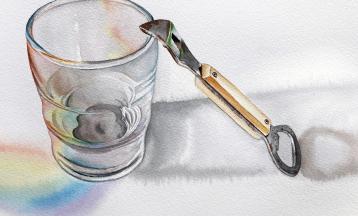

Photo: Caterina Carnevale




Great Watercolor Teachers
Through our longstanding commitment to treat teachers equitably, we work with phenomenal instructors — including members of the MET Orchestra, Juilliard and Berklee alumni, GRAMMY® winners and nominees, and many other professional educators.
View Teachers 
Photo: Francesca Cozza
About Watercolor Lessons at Lessonface
Find a great teacher, securely book a first lesson or trial, and meet via Zoom. Lessonface handles the lesson links and sends you reminders. Recordings, assignments, and notes are easy to access before, during, and after the lesson.
View Teachers 











Latest from the Blog
Tips, stories, and interviews from the Watercolor community.



Lessonface Guarantee
Reach out to tell us within 48-hours of taking an unsatisfactory lesson, class, or course, and we will offer you a refund. Read more about the guarantee.
Designed for All Ages
Creating a joyful, safe, and convenient educational experience for our students is our goal. Learn more about our kid-friendly features here, or read our privacy policy and safety precautions here.
Have more questions? Check out our FAQ, or reach out.
About Lessonface
At Lessonface, we've held our mission of helping students achieve their goals while treating teachers equitably for over ten years. We're here to help you connect to your ideal teacher and make real progress. Please reach out with any questions or concerns.
 Claire Cunningham
- Founder & CEO
What is Lessonface?
Lessonface is a Public Benefit Corporation operating since 2012 whose purpose is to connect students with great teachers for music, language, and arts lessons. Teachers on Lessonface set their own rates and profiles, and students can select their ideal teachers based on their background, teaching style, rates, and schedule.
How do online Watercolor lessons work?
Online lessons are effective, affordable, and accessible. Lessonface qualifies teachers in over 300 music, language, and arts subjects, including Watercolor. Students can browse teachers' profiles, send them messages, and book lessons securely through Lessonface. Lessons happen via Zoom links that are securely generated for each lesson, and can be easily recorded by the teacher. Recordings, notes, and attachments can all be accessed from within the Lessonface dashboard. Lessons can be booked one at a time, in packages, or by subscription to save a spot on the teacher's calendar. Lessonface hosts recitals, open mics, group classes, and self-paced courses too. Registering an account is free so it's easy to get started reaching out to find your ideal instructor. Contact us with any further questions!
What is the best method for learning Watercolor ?
We're biased, of course, but at Lessonface we believe the best way to learn Watercolor is through one-on-one lessons. Personalized instruction means your teacher can tailor every lesson to your goals, learning style, and skill level. Online group classes can also be a great way to make learning fun and social. Learning Watercolor online makes it easy to stay consistent, which is essential to steady progress.
There are plenty of apps and YouTube videos out there to help with learning Watercolor, but most teachers agree that those resources work best as supplements to, not replacements for, one-on-one instruction. A skilled Watercolor teacher can identify bad habits before they become ingrained, help you focus on what matters most, and solve problems as soon as they arise, often saving you months of frustration and wasted practice time. The bottom line? A real teacher accelerates your progress and keeps you on the right path from day one.
How do I find the best teacher for me for Watercolor lessons?
With over 100 qualified Watercolor teachers who have together earned an average of 5 out of 5 stars over 1 lesson reviews by verified students, you can be sure to find a great instructor at Lessonface.
Lessonface offers free tools to help you find the ideal tutor for you or your family:
- Use the open filtering system
- Use our matching service to describe your background, scheduling preferences, and any particular goals, and qualified Watercolor teachers will respond.
You can view teachers' bios, accolades, rates, send them a message and book lessons from their profiles.
Many teachers offer a free trial, and you can book lessons one at a time until you decide you prefer to book a bundle or subscribe, so don't hesitate to try. Teachers may also offer group classes, self-paced courses, and downloadable content, so there are more ways to get started while you're still getting acquainted with the community.
How much do Watercolor lessons cost?
Watercolor teachers on Lessonface set their own rates. Rates are displayed on the teachers' profile pages and in the checkout process prior to booking. Teachers may choose to change their rates for new bookings, and students will always be notified prior to making payment. Some Watercolor teachers offer a free trial lesson to new students, which are not factored into the average prices.
How does payment work for Watercolor lessons?
There is no fee until you book your first paid lesson. Many teachers offer free trial lessons. Students can opt to book one a time, or purchase lesson packages or subscriptions for scheduling convenience, and, depending on the teachers, a discount. Payment can be made by credit card or Paypal. Lessons booked with a subscription are pre-paid three days before the end of the month for lessons that are scheduled for the following month. Subscription payments can only be made by credit card (not Paypal). Teachers receive their payment after the lesson has been completed.
What supplies do I need to start learning watercolor?
The good news is that watercolor requires relatively few supplies to get started, and you don't need to spend a fortune on professional-grade materials right away. That said, investing in supplies of adequate quality will make your learning experience much more enjoyable. Student-grade materials from reputable brands work perfectly fine for beginners and won't break the bank.
Here's what you'll need to get started:
- Watercolor paints: A basic set of 12-24 colors in tubes or pans will give you plenty to work with
- Brushes: Start with 2-3 round brushes in different sizes (a small detail brush, a medium, and a larger brush for washes)
- Watercolor paper: This is where quality matters most—regular printer paper won't work. Look for paper labeled "watercolor paper" or "cold press" in at least 140 lb weight
- Water containers: Two jars or cups work well (one for rinsing, one for clean water)
- Palette: For mixing colors—this can be as simple as a white ceramic plate
- Paper towels or rags: For controlling water on your brush
Nice-to-have extras that can enhance your work:
- Masking tape: To secure your paper and create clean edges
- Masking fluid: For preserving white areas
- White gouache: For adding highlights and corrections
- A spray bottle: For keeping paints moist and creating texture effects
Before you buy anything, it's worth booking a trial lesson with a Lessonface watercolor teacher. They can give you specific recommendations based on your budget and goals, help you avoid common beginner mistakes when shopping for supplies, and even show you how to get the most out of basic materials. Many teachers are happy to discuss supplies during your first lesson and can point you toward brands that offer the best value for beginners.
What styles of watercolor can I learn?
Lessonface watercolor teachers cover an incredibly wide range of styles and specializations. You can learn realistic botanical painting, loose impressionistic landscapes, abstract watercolor, portrait painting, urban sketching, wildlife art, architectural illustration, and much more. Many teachers also specialize in specific applications like children's book illustration, greeting card design, travel journaling, or plein air painting.
The beauty of learning on Lessonface is that you can find a teacher whose work resonates with your artistic goals. If you're drawn to whimsical children's book illustration, you can study with someone who works in that field. If you want to paint dramatic seascapes or delicate florals, there are teachers who specialize in exactly that. Some instructors focus on traditional techniques while others embrace contemporary or experimental approaches.
The best way to find the right fit is to browse watercolor teacher profiles and look at their artwork and teaching descriptions. Pay attention to the styles and subjects they showcase—if you love what you see, that's a great sign. Teacher profiles often mention their areas of expertise and the types of projects they enjoy teaching, so you can get a sense of whether their approach matches what you're hoping to learn.
Don't hesitate to reach out to teachers directly with questions before booking a trial lesson. Most instructors are happy to discuss whether they're a good fit for your specific goals, whether that's learning a particular technique, working in a certain style, or preparing watercolor illustrations for a specific purpose. You can also use the Get Matched tool to describe your interests and get personalized teacher recommendations based on your artistic aspirations.
Is watercolor harder to learn than other painting mediums?
Watercolor has a reputation for being tricky, but that doesn't mean it's harder—it's just different. The main challenge is that watercolor is less forgiving than acrylics or oils. You can't easily paint over mistakes, and the paint behaves unpredictably as it interacts with water and paper. But here's the thing: those "unpredictable" qualities are also what make watercolor so beautiful and expressive. Learning to work with the medium rather than fighting against it is part of the journey.
Many beginners actually find watercolor more approachable than other mediums because it requires less setup, fewer supplies, and no harsh chemicals or ventilation concerns. You can paint at your kitchen table and clean up in minutes. The learning curve isn't steeper—it's just different. Where oils give you time to blend and adjust, watercolor teaches you to embrace spontaneity and happy accidents.
The key to learning watercolor successfully is having a teacher who understands how beginners think and can break down techniques into manageable steps. A good instructor will help you understand water control, color mixing, and layering without overwhelming you. They'll also help you develop confidence in your brushwork and decision-making.
Lessonface watercolor teachers work with students at every level, from complete beginners to experienced painters looking to refine their skills. In a trial lesson, you can discuss your concerns about the medium, see demonstrations of basic techniques, and get a realistic sense of what your learning path might look like. Many students are surprised to discover that watercolor isn't as intimidating as they expected—it just requires the right guidance and a willingness to experiment.
Do watercolor lessons focus on technique or creativity?
The best watercolor lessons balance both. Technique gives you the tools and control you need to bring your creative ideas to life, while creativity keeps the learning process exciting and personally meaningful. You can't really separate the two—mastering techniques like wet-on-wet, dry brush, or glazing expands what you're able to create, and exploring creative projects gives you opportunities to practice and refine those techniques.
Most watercolor teachers structure lessons to build technical skills progressively while still leaving room for personal expression and experimentation. Early lessons might focus heavily on foundational techniques like water control, color mixing, and brush handling, but even these technical exercises can be creative and fun. As you develop more control over the medium, lessons typically shift toward helping you develop your own artistic voice and tackle projects that excite you.
The emphasis often depends on what you're looking for. If you want to paint realistic botanicals, your lessons will include specific techniques for detail work and layering. If you're drawn to loose, expressive landscapes, you'll focus on techniques that support that style. Some students thrive on structured technical exercises, while others prefer a more exploratory, project-based approach. A good teacher adjusts their teaching style to match your learning preferences and goals.
Lessonface watercolor teachers come from diverse artistic backgrounds and teaching philosophies, so you can find an instructor whose approach resonates with you. During a trial lesson, you can discuss whether you're looking for more technical instruction, creative guidance, or a balanced mix of both. The Get Matched tool can also help connect you with teachers whose teaching style aligns with what you're hoping to get out of watercolor lessons.
Can I learn watercolor without any drawing skills?
Absolutely. While drawing skills can be helpful, they're not a requirement for learning watercolor. Many successful watercolor artists focus more on color, light, and composition than on precise drawing ability. Watercolor is fundamentally about understanding how paint and water interact, how colors blend and layer, and how to control your brushwork—none of which require you to be a skilled draftsperson.
If you're worried about drawing, there are plenty of approaches that work around it. You can start with abstract watercolor, where the focus is entirely on color and technique rather than realistic representation. You can trace or transfer images onto your watercolor paper. You can work from photographs and focus on capturing mood and color rather than exact details. Many watercolor teachers also incorporate simple drawing instruction into their lessons, teaching you just enough sketching to plan your compositions without making it the central focus.
The beauty of watercolor is that loose, impressionistic work is often more visually appealing than tight, overly detailed paintings. Your "weakness" in drawing might actually become a strength as you develop a freer, more expressive painting style.
A good watercolor teacher will meet you where you are and tailor lessons to your skill level and interests. Some Lessonface watercolor teachers specialize in loose, expressive techniques that minimize drawing requirements, while others can help you develop basic sketching skills alongside your painting. In a trial lesson, you can discuss your concerns about drawing and explore approaches that feel comfortable and exciting to you. You might be surprised at how quickly you can create beautiful watercolor pieces, even without traditional drawing skills.