







Find Your Ideal Drawing Teacher for Lessons Online
For beginners to advanced, kids & adults, these excellent Drawing teachers are vetted by staff experts and reviewed by verified students of online lessons at Lessonface.
View All Teachers Related Topics
Discover experienced, passionate Drawing teachers to help you reach your next level.

New to Lessonface
Hareem Majeed
Hello! I’m Hareem, a graphic designer, visual artist and an art educator with over 8 years of experience teaching students of different ages and skill levels. I help learners build strong artistic foundations while developing their own unique style. I have done my bachelors of fine arts in Painting from Punjab University, Lahore, Pakistan (2010 - 2014).
$20.00 / 45 min

2 Years on Lessonface
Francesca Cozza
Good day! I am Francesca Cozza. I am excited that you have found me here on Lessonface. I love teaching and am excited to teach you the many aspects of Drawing, Painting, Creative Writing, Business/Entrepreneurship and Fashion Designing. I have several years of not only working as a fashion designer, but also teaching.
$60.00 / 60 min

2 Years on Lessonface
Anthony Galati
I’ve been painting with oils for three decades, and drawing for as long as I can remember. I’ve been a full time fine artist for a decade and a half now, and have been doing guest demos, private and group lessons for many years, for various subject matter and age groups.
$45.00 / 30 min

New to Lessonface
Christina Davis
I'm a working artist and art educator with over 10 years of experience teaching students of all ages — from little kids just picking up a pencil to adults rediscovering their creative side. My lessons are relaxed, conversation-based, and built around what you want to make. I teach drawing, watercolor, gouache, acrylics, and mixed media — and I meet you where you are.
$25.00 / 30 min

Photo: Anastasia Prokusheva
I've been taking lessons from Anastasia for over seven months now and found her lessons extremely valuable and worthwhile. Prier to the lessons I was a completely self-taught artist for a couple of years with no former training in any art schools or course but had a massive passion for Drawing and art and a big part of my life and time and wanted to take my drawings to the next level and found being self-taught can only get you so far before hitting a wall in my development. It was like floating around in space with no gravitational pull to anchor my journey I was interested in being taught by an artist who has background experience with academic drawing knowledge while doing them online from the comfort of my own creative space; Its been great talking Anastasia as she is also interested in the same sort of art I do , mainly portrait, figure drawing and anatomy as these subject as quite niche and a lot of local art schools and university courses don't do that sort of thing; I also found her lessons very affordable compared to a lot of Art curriculum which also was a draw for me and found the lessons fore-filling having learnt new technique and knowledge since starting the lessons, I've started noticing a gradual improvement with my drawings and art knowledge as I was taught whole new concepts like having areas that draw the eye and different levels of contrast to make my drawings come to life. these are concepts which I never fathomed previously Improvement wasn't Instantaneous but combining the lessons with doing my art outside the lessons slowly changed the way I draw and see art from a new perceptive.

Want help finding your ideal drawing teacher?
Fill out the quick form and teachers who fit your needs will be in touch.
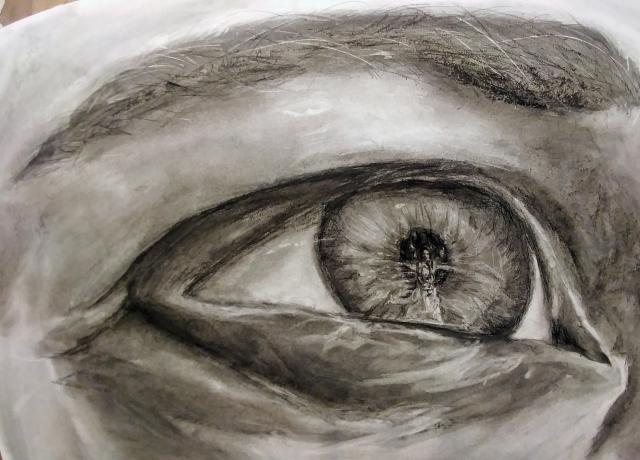
Photo: Nicole Powell




Great Drawing Teachers
Through our longstanding commitment to treat teachers equitably, we work with phenomenal instructors — including members of the MET Orchestra, Juilliard and Berklee alumni, GRAMMY® winners and nominees, and many other professional educators.
View Teachers 
Photo: Nicole Powell
About Drawing Lessons at Lessonface
Find a great teacher, securely book a first lesson or trial, and meet via Zoom. Lessonface handles the lesson links and sends you reminders. Recordings, assignments, and notes are easy to access before, during, and after the lesson.
View Teachers Students have given their Lessonface
lessons over
39,800+ reviews.
I've been taking lessons from Anastasia for over seven months now and found her lessons extremely valuable and worthwhile. Prier to the lessons I was a completely self-taught artist for a couple of years with no former training in any art schools or course but had a massive passion for Drawing and art and a big part of my life and time and wanted to take my drawings to the next level and found being self-taught can only get you so far before hitting a wall in my development. It was like floating around in space with no gravitational pull to anchor my journey I was interested in being taught by an artist who has background experience with academic drawing knowledge while doing them online from the comfort of my own creative space; Its been great talking Anastasia as she is also interested in the same sort of art I do , mainly portrait, figure drawing and anatomy as these subject as quite niche and a lot of local art schools and university courses don't do that sort of thing; I also found her lessons very affordable compared to a lot of Art curriculum which also was a draw for me and found the lessons fore-filling having learnt new technique and knowledge since starting the lessons, I've started noticing a gradual improvement with my drawings and art knowledge as I was taught whole new concepts like having areas that draw the eye and different levels of contrast to make my drawings come to life. these are concepts which I never fathomed previously Improvement wasn't Instantaneous but combining the lessons with doing my art outside the lessons slowly changed the way I draw and see art from a new perceptive.
I loved my first lesson with Christina! She made me feel relaxed and I've learned so much already. I highly recommend her!!
Anthony is a wonderful teacher and I really enjoyed his class. He finds out what level you are at and starts from there. He explains and demonstrates new concepts. I’d definitely take classes from him again and highly recommend his classes.












Latest from the Blog
Tips, stories, and interviews from the Drawing community.
Q&A with Jessica Lenze, Drawing Teacher of the Year
Read more
Lessonface Guarantee
Reach out to tell us within 48-hours of taking an unsatisfactory lesson, class, or course, and we will offer you a refund. Read more about the guarantee.

Designed for All Ages
Creating a joyful, safe, and convenient educational experience for our students is our goal. Learn more about our kid-friendly features here, or read our privacy policy and safety precautions here.
Have more questions? Check out our FAQ, or reach out.
About Lessonface
At Lessonface, we've held our mission of helping students achieve their goals while treating teachers equitably for over ten years. We're here to help you connect to your ideal teacher and make real progress. Please reach out with any questions or concerns.
 Claire Cunningham
- Founder & CEO
What is Lessonface?
Lessonface is a Public Benefit Corporation operating since 2012 whose purpose is to connect students with great teachers for music, language, and arts lessons. Teachers on Lessonface set their own rates and profiles, and students can select their ideal teachers based on their background, teaching style, rates, and schedule.
How do online Drawing lessons work?
Online lessons are effective, affordable, and accessible. Lessonface qualifies teachers in over 300 music, language, and arts subjects, including Drawing. Students can browse teachers' profiles, send them messages, and book lessons securely through Lessonface. Lessons happen via Zoom links that are securely generated for each lesson, and can be easily recorded by the teacher. Recordings, notes, and attachments can all be accessed from within the Lessonface dashboard. Lessons can be booked one at a time, in packages, or by subscription to save a spot on the teacher's calendar. Lessonface hosts recitals, open mics, group classes, and self-paced courses too. Registering an account is free so it's easy to get started reaching out to find your ideal instructor. Contact us with any further questions!
What is the best method for learning Drawing ?
We're biased, of course, but at Lessonface we believe the best way to learn Drawing is through one-on-one lessons. Personalized instruction means your teacher can tailor every lesson to your goals, learning style, and skill level. Online group classes can also be a great way to make learning fun and social. Learning Drawing online makes it easy to stay consistent, which is essential to steady progress.
There are plenty of apps and YouTube videos out there to help with learning Drawing, but most teachers agree that those resources work best as supplements to, not replacements for, one-on-one instruction. A skilled Drawing teacher can identify bad habits before they become ingrained, help you focus on what matters most, and solve problems as soon as they arise, often saving you months of frustration and wasted practice time. The bottom line? A real teacher accelerates your progress and keeps you on the right path from day one.
How do I find the best teacher for me for Drawing lessons?
With over 100 qualified Drawing teachers who have together earned an average of 5 out of 5 stars over 21 lesson reviews by verified students, you can be sure to find a great instructor at Lessonface.
Lessonface offers free tools to help you find the ideal tutor for you or your family:
- Use the open filtering system
- Use our matching service to describe your background, scheduling preferences, and any particular goals, and qualified Drawing teachers will respond.
You can view teachers' bios, accolades, rates, send them a message and book lessons from their profiles.
Many teachers offer a free trial, and you can book lessons one at a time until you decide you prefer to book a bundle or subscribe, so don't hesitate to try. Teachers may also offer group classes, self-paced courses, and downloadable content, so there are more ways to get started while you're still getting acquainted with the community.
How much do Drawing lessons cost?
Drawing teachers on Lessonface set their own rates. Rates are displayed on the teachers' profile pages and in the checkout process prior to booking. Teachers may choose to change their rates for new bookings, and students will always be notified prior to making payment. The average paid for a Drawing lesson on Lessonface in the past 12 months was $46.51. Some Drawing teachers offer a free trial lesson to new students, which are not factored into the average prices.
How does payment work for Drawing lessons?
There is no fee until you book your first paid lesson. Many teachers offer free trial lessons. Students can opt to book one a time, or purchase lesson packages or subscriptions for scheduling convenience, and, depending on the teachers, a discount. Payment can be made by credit card or Paypal. Lessons booked with a subscription are pre-paid three days before the end of the month for lessons that are scheduled for the following month. Subscription payments can only be made by credit card (not Paypal). Teachers receive their payment after the lesson has been completed.
Can I learn to draw if I have no artistic talent?
Yes! Drawing is a skill that can be learned, not an innate talent you're either born with or without. The idea that some people are "naturally artistic" while others aren't is one of the biggest myths that stops people from trying. What looks like talent is usually just the result of practice, observation, and learning techniques that anyone can develop.
When you start drawing lessons, you'll learn foundational skills like observing proportions, understanding perspective, controlling your hand movements, and seeing light and shadow. These are teachable techniques, not mysterious gifts. Your teacher will break down complex subjects into manageable steps and show you how to train your eye to see like an artist sees.
The most important factor in learning to draw isn't talent—it's curiosity and willingness to practice. Some students progress quickly, others more gradually, but everyone improves with consistent guidance and practice. Working with a drawing teacher gives you personalized feedback on your specific challenges, which accelerates your progress far beyond what you'd achieve alone. Your teacher can identify exactly what you need to work on and provide exercises tailored to your goals.
Lessonface's drawing teachers work with students at every level, from absolute beginners to experienced artists refining their skills. If you're not sure where to start, you can try a trial lesson to experience how online drawing instruction works and see how a teacher approaches your individual needs. Another option is to sign up for one of Lessonface's popular drawing group classes. Many students find that having regular lessons provides the structure and encouragement they need to develop skills they never thought possible.
What supplies do I need to start taking drawing lessons?
You can start drawing lessons with surprisingly minimal supplies—often just a pencil, eraser, and paper. Most drawing teachers recommend beginning with basic materials so you can focus on developing fundamental skills rather than getting overwhelmed by equipment choices. A standard graphite pencil (HB or 2B), a good eraser, and plain printer paper or a sketchbook are enough to begin learning essential techniques like line control, shading, and proportion.
As you progress, your teacher will guide you on when and what additional supplies to add based on your interests and goals. If you want to explore different effects, you might gradually add softer and harder pencils (like 4B for darker tones or 4H for lighter lines), a kneaded eraser for lifting graphite, and better quality drawing paper. But these additions come naturally as your skills develop, not all at once at the beginning.
The beauty of online drawing lessons is that your teacher can see your work through the camera and provide real-time feedback on your technique, regardless of whether you're using basic or professional-grade materials. Many teachers will discuss supplies during your first lesson and make recommendations based on what you want to learn. Some might suggest specific brands or types of paper, while others will show you how to get great results with whatever you already have at home.
If you're interested in specific drawing styles—like charcoal drawing, pen and ink, colored pencil, or digital art—your teacher will create a supply list tailored to that medium. Lessonface's drawing teachers have experience with various materials and can help you make informed choices that fit your budget and artistic direction.
How long does it take to learn basic drawing skills?
Most students start seeing noticeable improvement within the first few weeks of regular drawing lessons, though the timeline varies based on how often you practice and what "basic skills" means to you. If your goal is to draw simple objects with correct proportions and basic shading, you might feel confident doing that within a couple of months of weekly lessons combined with practice. If you're aiming to draw realistic portraits or complex scenes, that typically takes longer—often six months to a year of consistent work to feel comfortable with those challenges.
The key factor isn't just time, but how you spend that time. Students who take regular lessons and practice between sessions progress much faster than those who practice sporadically without guidance. A drawing teacher helps you avoid common mistakes, shows you efficient techniques, and gives you structured exercises that build on each other. Without that direction, you might spend months practicing the wrong way or reinforcing bad habits that actually slow your progress.
One advantage of learning to draw is that progress is visible and motivating. Unlike some skills where improvement feels abstract, with drawing you can literally see your work getting better from one sketch to the next. Your early drawings become a baseline that shows how far you've come, which encourages you to keep going. Most students are surprised by how much they improve in just a few months when they have consistent feedback and practice.
What drawing styles I can learn? How do I choose which drawing style to start with?
Drawing encompasses a wide range of styles, each with its own techniques and appeal. Realism focuses on creating artwork that looks photographic, requiring careful observation of light, shadow, texture, and proportion. Portrait drawing zeroes in on capturing faces and expressions. Landscape drawing depicts natural or urban scenes, emphasizing perspective and composition. Figure drawing involves sketching the human body in various poses, focusing on anatomy and movement.
Beyond realistic approaches, many students are drawn to stylized forms. Manga and anime styles use specific conventions for facial features and proportions. Cartoon and comic book illustration develop simplified but expressive characters. Fashion illustration emphasizes elongated figures and clothing design. Some styles are defined by their medium—pen and ink produces crisp lines and dramatic contrast, charcoal creates soft expressive marks, colored pencil builds rich layered color, and digital drawing offers unlimited editing possibilities.
The best way to choose a starting style is to follow your interests and what excites you visually. If you love comic books, start with comic illustration. If you're fascinated by faces, begin with portrait drawing. Your motivation to practice will be much stronger when you're working toward creating the kind of art you actually want to make.
That said, many teachers recommend spending some time on foundational skills—understanding basic shapes, proportions, perspective, and shading—before diving deep into a specialized style. These fundamentals transfer across all drawing styles and make learning your preferred style much easier. You need some basic technique before you can create the art you love, but you don't need to master everything before having fun.
Do I need to learn drawing fundamentals, or can I just practice what interests me?
You can absolutely start by drawing what interests you most—in fact, that's often the best way to stay motivated as a beginner. If you're excited about drawing portraits, anime characters, or landscapes, jumping straight into those subjects keeps you engaged and practicing regularly. However, you'll likely progress faster and encounter fewer frustrating roadblocks if you weave some fundamental skills into your learning, even while focusing on your preferred subjects.
Drawing fundamentals include skills like observing proportions, understanding perspective, controlling line quality, seeing values (lights and darks), and breaking complex subjects into basic shapes. These aren't boring exercises you have to slog through before the "real" drawing begins—they're tools that make drawing anything easier and more satisfying. When you understand how perspective works, for example, drawing buildings or rooms suddenly makes sense instead of feeling impossible. When you can see objects as simple shapes first, capturing a complex subject becomes manageable.
The good news is that a skilled drawing teacher can teach you fundamentals through the subjects you actually want to draw. Want to draw manga characters? Your teacher can show you how proportions and anatomy work specifically for that style. Interested in landscapes? You'll learn perspective and composition while sketching the scenes you love. This approach means you're building essential skills without feeling like you're delaying your real goals.
Some students prefer to dive straight into their passion and circle back to fundamentals when they hit a specific challenge, while others like to start with a few foundational lessons before specializing. There's no single right path—it depends on your learning style and patience level.