















Find Your Ideal Weaving Teacher for Lessons Online
For beginners to advanced, kids & adults, these excellent Weaving teachers are vetted by staff experts and reviewed by verified students of online lessons at Lessonface.
View All Teachers Related Topics
Discover experienced, passionate Weaving teachers to help you reach your next level.
3 Years on Lessonface
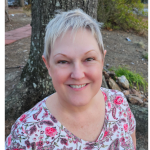
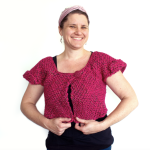
Teri Lucas
Teri Lucas is a quilter, teacher, blogger and author residing in Central Texas. Color, Thread & Free-Motion Quilting, published by C&T Publishing in July 2020,covers thread weight, thread and needle pairing, beginner color relationships, and what Teri calls the "theory of color relativity."
$50.00 / 30 min

4 Years on Lessonface
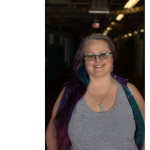
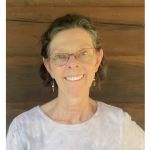
Amy Putansu
Amy Putansu is an artist and educator living in the craft-rich culture of western North Carolina. She produces handwoven textiles that incorporate dyeing, stitching, and other textile techniques as art pieces for residential and corporate settings. She earned her BFA in textiles at the Rhode Island School of Design in 1995.
$50.00 / 30 min

6 Years on Lessonface
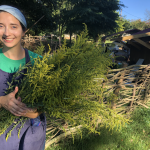
Esther Rodgers
Esther Rodgers is a full- time fiber artist from Mebane, NC. She is known for her creative art yarns and her unique fiber preparation, while constantly innovating her spinning techniques to create new textures. She is on the cutting edge in terms of yarn design. She loves to design and spin concept yarns from an inspiration and tell stories with her yarns.
$50.00 / 30 min

New to Lessonface
Lily Hope
Lily Hope (b. 1980) was born and raised in Juneau, Alaska to full-time artists. She is Tlingit Indian, of the Raven moiety. Following her matrilineal line, she’s of her grandmother’s clan, the T’akdeintaan. She learned Ravenstail weaving from her late mother Clarissa Rizal, and Kay Field Parker, both of Juneau.
$90.00 / 30 min

Want help finding your ideal weaving teacher?
Fill out the quick form and teachers who fit your needs will be in touch.
Join live sessions and learn Weaving alongside others.
Upcoming Live Classes
4.8
Average Rating
10+
Student Ratings
~$120
Avg. Price
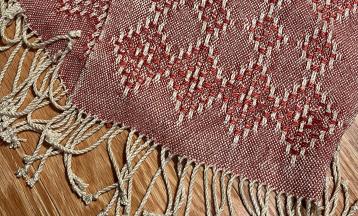
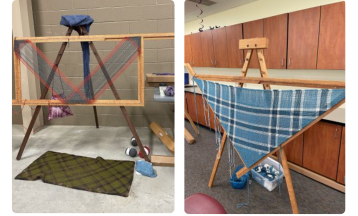
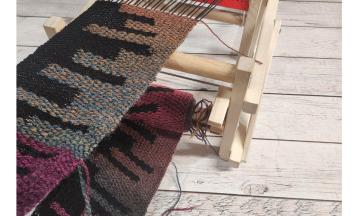
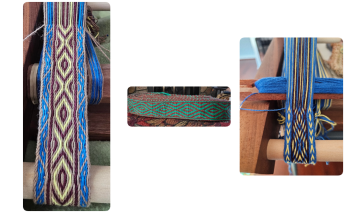
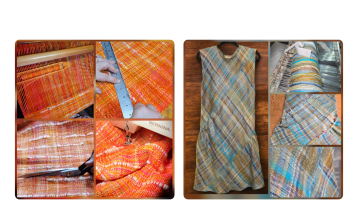
Handwoven Couture: Seaming, Finishing, and Innovative Design for Handwoven Garments
 Julie Benac
 UTC
$150.00
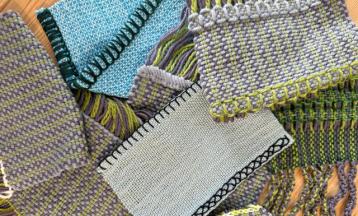
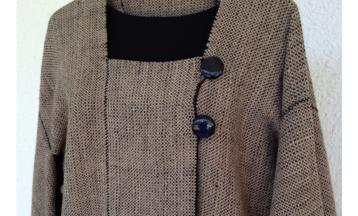

Photo: Sarah Ward




Great Weaving Teachers
Through our longstanding commitment to treat teachers equitably, we work with phenomenal instructors — including members of the MET Orchestra, Juilliard and Berklee alumni, GRAMMY® winners and nominees, and many other professional educators.
View Teachers 
Photo: Sue Muldoon
About Weaving Lessons at Lessonface
Find a great teacher, securely book a first lesson or trial, and meet via Zoom. Lessonface handles the lesson links and sends you reminders. Recordings, assignments, and notes are easy to access before, during, and after the lesson.
View Teachers 











Latest from the Blog
Tips, stories, and interviews from the Weaving community.


Lessonface Guarantee
Reach out to tell us within 48-hours of taking an unsatisfactory lesson, class, or course, and we will offer you a refund. Read more about the guarantee.
Designed for All Ages
Creating a joyful, safe, and convenient educational experience for our students is our goal. Learn more about our kid-friendly features here, or read our privacy policy and safety precautions here.
Have more questions? Check out our FAQ, or reach out.
About Lessonface
At Lessonface, we've held our mission of helping students achieve their goals while treating teachers equitably for over ten years. We're here to help you connect to your ideal teacher and make real progress. Please reach out with any questions or concerns.
 Claire Cunningham
- Founder & CEO
What is Lessonface?
Lessonface is a Public Benefit Corporation operating since 2012 whose purpose is to connect students with great teachers for music, language, and arts lessons. Teachers on Lessonface set their own rates and profiles, and students can select their ideal teachers based on their background, teaching style, rates, and schedule.
How do online Weaving lessons work?
Online lessons are effective, affordable, and accessible. Lessonface qualifies teachers in over 300 music, language, and arts subjects, including Weaving. Students can browse teachers' profiles, send them messages, and book lessons securely through Lessonface. Lessons happen via Zoom links that are securely generated for each lesson, and can be easily recorded by the teacher. Recordings, notes, and attachments can all be accessed from within the Lessonface dashboard. Lessons can be booked one at a time, in packages, or by subscription to save a spot on the teacher's calendar. Lessonface hosts recitals, open mics, group classes, and self-paced courses too. Registering an account is free so it's easy to get started reaching out to find your ideal instructor. Contact us with any further questions!
What is the best method for learning Weaving ?
We're biased, of course, but at Lessonface we believe the best way to learn Weaving is through one-on-one lessons. Personalized instruction means your teacher can tailor every lesson to your goals, learning style, and skill level. Online group classes can also be a great way to make learning fun and social. Learning Weaving online makes it easy to stay consistent, which is essential to steady progress.
There are plenty of apps and YouTube videos out there to help with learning Weaving, but most teachers agree that those resources work best as supplements to, not replacements for, one-on-one instruction. A skilled Weaving teacher can identify bad habits before they become ingrained, help you focus on what matters most, and solve problems as soon as they arise, often saving you months of frustration and wasted practice time. The bottom line? A real teacher accelerates your progress and keeps you on the right path from day one.
How do I find the best teacher for me for Weaving lessons?
With over 100 qualified Weaving teachers who have together earned an average of 5 out of 5 stars over 1 lesson reviews by verified students, you can be sure to find a great instructor at Lessonface.
Lessonface offers free tools to help you find the ideal tutor for you or your family:
- Use the open filtering system
- Use our matching service to describe your background, scheduling preferences, and any particular goals, and qualified Weaving teachers will respond.
You can view teachers' bios, accolades, rates, send them a message and book lessons from their profiles.
Many teachers offer a free trial, and you can book lessons one at a time until you decide you prefer to book a bundle or subscribe, so don't hesitate to try. Teachers may also offer group classes, self-paced courses, and downloadable content, so there are more ways to get started while you're still getting acquainted with the community.
How much do Weaving lessons cost?
Weaving teachers on Lessonface set their own rates. Rates are displayed on the teachers' profile pages and in the checkout process prior to booking. Teachers may choose to change their rates for new bookings, and students will always be notified prior to making payment. Some Weaving teachers offer a free trial lesson to new students, which are not factored into the average prices.
How does payment work for Weaving lessons?
There is no fee until you book your first paid lesson. Many teachers offer free trial lessons. Students can opt to book one a time, or purchase lesson packages or subscriptions for scheduling convenience, and, depending on the teachers, a discount. Payment can be made by credit card or Paypal. Lessons booked with a subscription are pre-paid three days before the end of the month for lessons that are scheduled for the following month. Subscription payments can only be made by credit card (not Paypal). Teachers receive their payment after the lesson has been completed.
What equipment do I need to start learning weaving?
The equipment you need depends entirely on what type of weaving interests you. Weaving encompasses everything from simple frame looms to complex floor looms, and you can start at almost any budget level.
For absolute beginners exploring whether weaving is right for them, a simple frame loom or lap loom costs between $30-100 and requires minimal additional supplies—just yarn, a shuttle or needle, and scissors. These small looms are perfect for learning fundamental weaving concepts like warp and weft, tension, and basic patterns. You can create small projects like coasters, wall hangings, or scarves while deciding if you want to invest in larger equipment.
Rigid heddle looms are the most popular choice for beginners ready to commit to weaving. They're versatile, relatively affordable, portable, and capable of producing a wide range of projects from scarves and towels to blankets and fabric yardage. You'll also need warping pegs or a warping board, shuttles, yarn, and a few basic tools like a threading hook and warping peg clamps.
Floor looms and table looms open up more complex pattern possibilities but represent a significant investment. Most weavers don't start here unless they already know they're committed to weaving or have specific project goals that require a multi-shaft loom.
Many Lessonface weaving teachers can guide you through equipment decisions before you make a purchase. During a trial lesson, you can discuss your goals, budget, and space constraints, and your teacher will recommend appropriate equipment for your situation. Some teachers even offer lessons specifically focused on understanding loom options and setting up your first loom.
Starting small doesn't limit your weaving potential—it simply ensures you're learning fundamentals before investing in specialized equipment.
What types of weaving can I learn on Lessonface?
Lessonface weaving teachers offer instruction in a wide range of weaving styles and techniques, from foundational skills to specialized methods.
Most weaving teachers start students with plain weave—the basic over-under structure that forms the foundation of all weaving. From there, you'll typically learn twill weaves, which create diagonal patterns, and other fundamental structures like basket weave and rib weave. These core techniques work on rigid heddle looms, floor looms, and table looms, and they're essential for projects like scarves, towels, blankets, and fabric yardage.
As you advance, teachers can introduce color and weave effects, pattern drafting, doubleweave (which creates two layers of fabric simultaneously), and lace weaves. Many instructors also teach finishing techniques like hemstitching, fringe work, and wet finishing that give your projects a professional appearance.
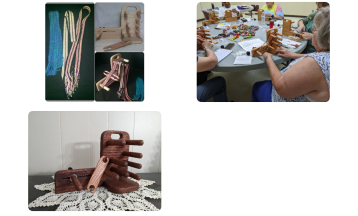
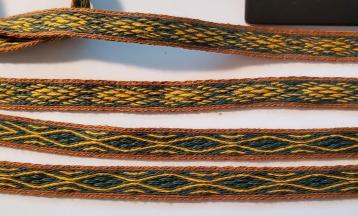
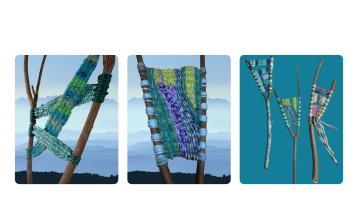
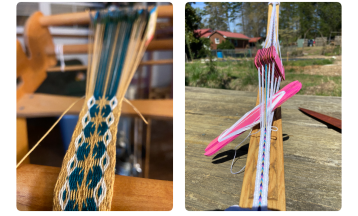
Beyond these fundamentals, Lessonface frequently offers specialized group classes in unique weaving techniques. You might find classes in tapestry weaving (creating pictorial or geometric designs), wheat weaving (the traditional craft of weaving wheat stalks), backstrap weaving (an ancient portable technique), freestyle weaving (experimental and artistic approaches), chair seat weaving (for furniture repair and restoration), and peg loom weaving (perfect for small projects and beginners).
Whether you're interested in functional textiles, artistic wall hangings, traditional techniques, or experimental fiber art, you'll find teachers who can guide you and group classes to inspire you.
The variety of weaving styles means you can explore different directions as your skills develop—many weavers discover unexpected passions once they start learning.
How long does it take to weave something?
The time it takes to weave a project varies enormously depending on the size, complexity, and type of loom you're using. A small coaster on a frame loom might take an hour or two, while a large blanket on a floor loom could take weeks of work.
For beginners on a rigid heddle loom, expect to spend several hours warping your loom for the first time—this is the process of setting up all those vertical threads that will become your fabric. Warping gets faster with practice, but initially it requires careful attention and patience. Once your loom is warped, you might weave several inches per hour depending on your pattern and yarn weight.
A simple scarf project might take 10-15 hours total for a beginner, including warping time. Kitchen towels could take 8-12 hours for a set of four. Larger projects like blankets or fabric yardage for garments require significantly more time—sometimes 30-50 hours or more.
The rhythm of weaving differs from many crafts because you spend concentrated time setting up, then enjoy relatively meditative weaving time once everything is prepared. Many weavers find this satisfying because the actual weaving, once you're set up, moves along at a steady, peaceful pace.
Time also depends on pattern complexity. Plain weave (the simplest over-under pattern) moves quickly, while complex patterns with multiple color changes or intricate structures require more attention and time. Your teacher can help you estimate project timelines and choose appropriate complexity for your schedule.
Weaving rewards patience, but it also offers genuine satisfaction as you watch your fabric grow inch by inch on the loom.
How is weaving different from knitting or crocheting?
Weaving, knitting, and crocheting are all methods of creating fabric from yarn, but they use completely different techniques and equipment.
Weaving creates fabric by interlacing two sets of threads at right angles—the warp (vertical threads) and the weft (horizontal threads). You use a loom to hold the warp threads under tension while you pass the weft through them. The resulting fabric is typically stable, doesn't stretch much, and has a more structured appearance. Weaving is excellent for creating home textiles like towels, blankets, rugs, and fabric yardage for garments.
Knitting creates fabric by forming interlocking loops of yarn using two or more needles. The fabric has natural stretch and drape, making it ideal for garments like sweaters, socks, and scarves. Knitting is portable—you can carry a project anywhere—and doesn't require a loom or large equipment setup.
Crocheting also creates fabric from interlocking loops, but uses a single hook instead of needles. Crocheted fabric tends to be thicker and less stretchy than knit fabric, and the technique allows for more sculptural three-dimensional shapes. Like knitting, crocheting is completely portable.
The learning curves differ too. Many people find weaving more intuitive initially because you can see the structure of warp and weft clearly, and the loom does some of the work for you. Knitting and crocheting require building muscle memory for hand movements, but they're more portable once you've learned.
If you're drawn to creating structured textiles, home goods, or fabric yardage, weaving might be your path. If you prefer portable projects with stretch and drape, knitting or crocheting could be better fits.
Lessonface teachers offers private lessons and group classes for weaving, knitting, and crocheting, so you can explore any or all of these fiber arts.
What's the difference between taking a weaving class versus private lessons?
Both group classes and private lessons have distinct advantages, and many weavers benefit from a combination of both.
Group classes offer community, shared learning experiences, and exposure to how other students solve problems. You'll see different approaches to the same techniques, get inspired by classmates' project choices, and build connections with fellow weavers. Group classes are typically more affordable per session and work well for learning specific techniques or completing guided projects together. The social aspect makes weaving feel less solitary, and you might discover ideas you wouldn't have thought of on your own.
Private lessons give you individualized attention, customized pacing, and instruction tailored specifically to your goals and equipment. Your teacher can focus entirely on your questions, troubleshoot your specific challenges, and adapt lessons based on how quickly you're progressing. If you're working on a complex project, struggling with a particular technique, or have unique goals, private lessons offer flexibility that group settings can't match. You can also schedule lessons around your availability rather than working within a fixed class schedule.
Some students start with a group class to learn basics alongside others, then switch to private lessons for personalized guidance as they advance. Others prefer private lessons from the beginning for focused one-on-one instruction, then join group classes occasionally for community and inspiration.
The right choice depends on whether you value community learning or personalized attention more—and you don't have to choose just one forever.