



Find Your Ideal French Horn Teacher for Lessons Online
For beginners to advanced, kids & adults, these excellent French Horn teachers are vetted by staff experts and reviewed by verified students of online lessons at Lessonface.
View All Teachers Related Topics
Discover experienced, passionate French Horn teachers to help you reach your next level.

2 Years on Lessonface
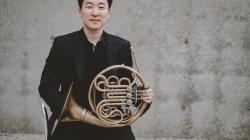
Franco Augusto Ortiz
Hello, I am Franco! I am a horn player, based in New Haven, Connecticut, currently studying at the Yale School of Music. I am originally from Lima, Peru, but I grew up in Miami, Florida. I completed a bachelors in music performance at the Oberlin Conservatory. I have taught students from a variety of backgrounds, and have been inspired by their love for the Horn.
$15.00 / 30 min
5 Years on Lessonface
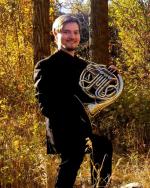
Kyle Olsen
Kyle Olsen is a horn player currently based in Ypsilanti, Michigan who splits his time between teaching and working as a freelance musician across the state playing with orchestras, chamber groups, and as a soloist in various settings.
$30.00 / 30 min

New to Lessonface
Zachary Regin
Zach Regin is a hornist from Bristol, VA, who is currently based in Kansas City, Missouri. He was previously appointed as 4th Horn of the Stratus Chamber Orchestra and was selected to be a member of the fellowship quintet, Plaza Winds.
$30.00 / 30 min

6 Years on Lessonface
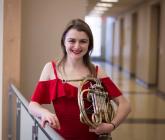
Janita L Pierce-Stoots
I have loved music my entire life. Some of my earliest memories are of playing on my mom's piano. I started singing in choir when I was 5, started piano when I was 7 and started French Horn at 12. I haven't ever stopped. I became a music teacher and since 2005 have taught middle school band, general music and ukulele full time.
$25.00 / 30 min
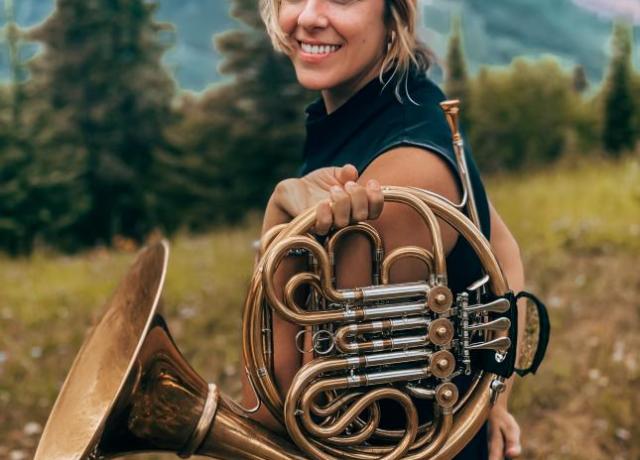
Photo: Sara Petokas
I’m an adult student that returned to serious study of the horn after many years and simply could not find a local teacher that either specialized in horn, or was interested in teaching adult students. I finally discovered LessonFace and reached out to Sara. I have already learned so much from her and she’s an amazing teacher. She takes me seriously as a student and my return to the study of music/horn has brought me immense joy (and in no small part,) because of the confidence Sara instills in me, the techniques and skills she teaches, plus the encouragement to follow my passion no matter my age. She’s a true master teacher!
Want help finding your ideal french horn teacher?
Fill out the quick form and teachers who fit your needs will be in touch.
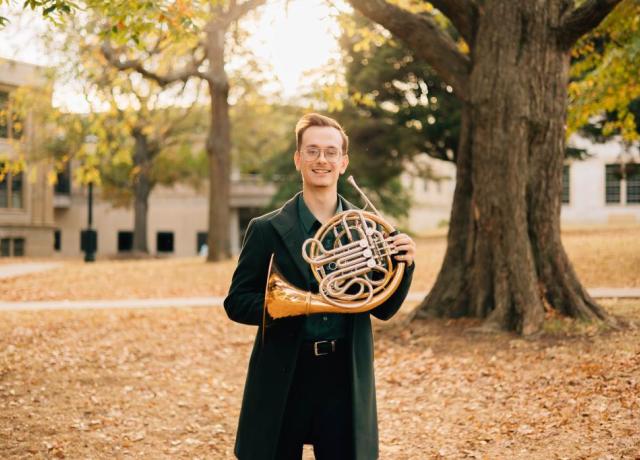
Photo: Landon Geitzenauer



Great French Horn Teachers
Through our longstanding commitment to treat teachers equitably, we work with phenomenal instructors — including members of the MET Orchestra, Juilliard and Berklee alumni, GRAMMY® winners and nominees, and many other professional educators.
View Teachers 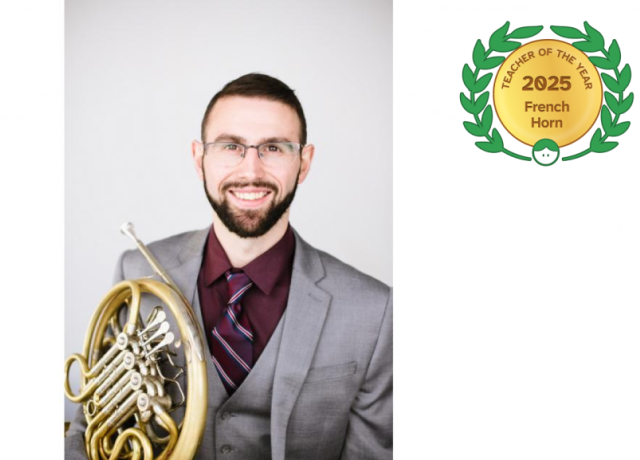
Photo: Dr. Olivier Blakney
About French Horn Lessons at Lessonface
Find a great teacher, securely book a first lesson or trial, and meet via Zoom. Lessonface handles the lesson links and sends you reminders. Recordings, assignments, and notes are easy to access before, during, and after the lesson.
View Teachers 











Latest from the Blog
Tips, stories, and interviews from the French Horn community.


Lessonface Guarantee
Reach out to tell us within 48-hours of taking an unsatisfactory lesson, class, or course, and we will offer you a refund. Read more about the guarantee.

Designed for All Ages
Creating a joyful, safe, and convenient educational experience for our students is our goal. Learn more about our kid-friendly features here, or read our privacy policy and safety precautions here.
Have more questions? Check out our FAQ, or reach out.
About Lessonface
At Lessonface, we've held our mission of helping students achieve their goals while treating teachers equitably for over ten years. We're here to help you connect to your ideal teacher and make real progress. Please reach out with any questions or concerns.
 Claire Cunningham
- Founder & CEO
What is Lessonface?
Lessonface is a Public Benefit Corporation operating since 2012 whose purpose is to connect students with great teachers for music, language, and arts lessons. Teachers on Lessonface set their own rates and profiles, and students can select their ideal teachers based on their background, teaching style, rates, and schedule.
How do online French Horn lessons work?
Online lessons are effective, affordable, and accessible. Lessonface qualifies teachers in over 300 music, language, and arts subjects, including French Horn. Students can browse teachers' profiles, send them messages, and book lessons securely through Lessonface. Lessons happen via Zoom links that are securely generated for each lesson, and can be easily recorded by the teacher. Recordings, notes, and attachments can all be accessed from within the Lessonface dashboard. Lessons can be booked one at a time, in packages, or by subscription to save a spot on the teacher's calendar. Lessonface hosts recitals, open mics, group classes, and self-paced courses too. Registering an account is free so it's easy to get started reaching out to find your ideal instructor. Contact us with any further questions!
What is the best method for learning French Horn ?
We're biased, of course, but at Lessonface we believe the best way to learn French Horn is through one-on-one lessons. Personalized instruction means your teacher can tailor every lesson to your goals, learning style, and skill level. Online group classes can also be a great way to make learning fun and social. Learning French Horn online makes it easy to stay consistent, which is essential to steady progress.
There are plenty of apps and YouTube videos out there to help with learning French Horn, but most teachers agree that those resources work best as supplements to, not replacements for, one-on-one instruction. A skilled French Horn teacher can identify bad habits before they become ingrained, help you focus on what matters most, and solve problems as soon as they arise, often saving you months of frustration and wasted practice time. The bottom line? A real teacher accelerates your progress and keeps you on the right path from day one.
How do I find the best teacher for me for French Horn lessons?
With over 100 qualified French Horn teachers who have together earned an average of 4.99 out of 5 stars over 119 lesson reviews by verified students, you can be sure to find a great instructor at Lessonface.
Lessonface offers free tools to help you find the ideal tutor for you or your family:
- Use the open filtering system
- Use our matching service to describe your background, scheduling preferences, and any particular goals, and qualified French Horn teachers will respond.
You can view teachers' bios, accolades, rates, send them a message and book lessons from their profiles.
Many teachers offer a free trial, and you can book lessons one at a time until you decide you prefer to book a bundle or subscribe, so don't hesitate to try. Teachers may also offer group classes, self-paced courses, and downloadable content, so there are more ways to get started while you're still getting acquainted with the community.
How much do French Horn lessons cost?
French Horn teachers on Lessonface set their own rates. Rates are displayed on the teachers' profile pages and in the checkout process prior to booking. Teachers may choose to change their rates for new bookings, and students will always be notified prior to making payment. The average paid for a French Horn lesson on Lessonface in the past 12 months was $33.91. Some French Horn teachers offer a free trial lesson to new students, which are not factored into the average prices.
How does payment work for French Horn lessons?
There is no fee until you book your first paid lesson. Many teachers offer free trial lessons. Students can opt to book one a time, or purchase lesson packages or subscriptions for scheduling convenience, and, depending on the teachers, a discount. Payment can be made by credit card or Paypal. Lessons booked with a subscription are pre-paid three days before the end of the month for lessons that are scheduled for the following month. Subscription payments can only be made by credit card (not Paypal). Teachers receive their payment after the lesson has been completed.
Is the French Horn hard to learn?
The French horn has a reputation as one of the most challenging instruments in the orchestra, and that reputation isn't entirely undeserved. But understanding what specifically makes it challenging can help you go in with realistic expectations rather than unnecessary anxiety.
The main challenge is the embouchure — the way you shape your lips and direct your air into the mouthpiece. The French horn mouthpiece is small and cup-shaped, and finding a centered, consistent tone requires careful muscle development that takes time. Early on, notes can be unpredictable — the horn is capable of producing multiple pitches from a single fingering depending on how you're buzzing, which means accuracy requires real embouchure control.
The instrument's range is also wide — wider than most brass instruments — and navigating it cleanly is a long-term project. High notes in particular take time and patience to develop.
That said, beginners don't start at the deep end. A good teacher introduces the instrument gradually, building your embouchure, tone, and range in a logical sequence. Early progress can be very satisfying, and many students find the instrument's rich, warm sound deeply rewarding to produce even at beginning stages.
Adults and kids alike learn French horn successfully every day. The instrument rewards patience and consistent practice, and with good instruction the early challenges are very manageable. The difficulty is real, but so is the payoff.
I already play another brass instrument. Will that help me learn French Horn?
Yes, but the French horn has enough quirks that prior brass experience only gets you part of the way there.
The fundamentals transfer well. If you already play trumpet, trombone, tuba, or another brass instrument, you understand how to buzz into a mouthpiece, how breath support works, and how to read music in a brass context. That foundation gives you a real head start on the basics and means you won't be starting from zero.
The differences are significant enough to pay attention to, though. The French horn mouthpiece is considerably smaller than most other brass mouthpieces, which means your embouchure will need to adapt. Trumpet players in particular sometimes find this adjustment tricky — the instinct to play with trumpet embouchure doesn't always translate cleanly.
The horn is also a transposing instrument in F, which means the written notes don't match the concert pitch sounds — something that takes a little adjustment if you're coming from a non-transposing instrument like trombone or tuba. Trumpet players are already used to transposing, but in a different key, so there's still an adjustment period.
Hand position is another horn-specific skill — the right hand is placed inside the bell and plays an active role in tone production and intonation, which is unlike anything on other brass instruments.
The good news is that experienced brass players typically progress faster on French horn than complete beginners. A teacher who knows your background can help you transfer what you already know efficiently while zeroing in on what's genuinely new.
What genres of music feature the French Horn?
The French horn is most at home in classical music, where it has been a cornerstone of the orchestra for centuries. From the Baroque period through the Romantic era and into contemporary classical composition, the horn has played a central role — carrying soaring melodies, providing rich harmonic support, and contributing to the distinctive weight and color of the brass section. The solo repertoire is substantial, with major concertos by Mozart, Richard Strauss, and others that remain central to the classical canon.
In orchestral and chamber music, the horn blends unusually well with both brass and woodwind instruments, which is why you'll find it in brass quintets, woodwind quintets, and mixed chamber ensembles alike.
Film and television scoring relies heavily on the French horn. That heroic, sweeping sound associated with epic soundtracks — think fantasy and adventure films — owes a great deal to the horn. Composers like John Williams have made the instrument central to some of the most recognizable themes in cinema history.
Jazz French horn is a smaller but real tradition. Players like Julius Watkins established the horn as a legitimate jazz voice, and it continues to appear in jazz orchestration and more adventurous ensemble settings.
Rock and pop have made occasional but memorable use of the horn — the Beatles featured it on several recordings, and it shows up in various art rock and progressive rock contexts.
For most students, the classical tradition is the primary path, but the horn's distinctive voice has found a place across a surprisingly wide range of musical settings.
What is hand stopping, and why does it matter to playing French Horn?
Hand stopping is a technique unique to the French horn, and understanding it helps explain why the instrument looks and sounds the way it does.
The French horn is played with the right hand inserted into the bell — the large flared opening at the end of the instrument. This isn't just a matter of tradition or aesthetics. The position of the hand inside the bell directly affects the instrument's tone, pitch, and intonation. By adjusting the hand position, players fine-tune individual notes and shape the overall sound. This is something horn players are doing constantly, often without thinking about it once the skill is internalized.
Full hand stopping is a specific extended technique where the hand completely closes off the bell, raising the pitch by a half step and producing a distinctive muted, slightly nasal sound. Composers sometimes call for this deliberately as a color effect, marked "stopped" or with a "+" symbol in the score.
For beginners, developing good right hand position is one of the early fundamentals a teacher will address. It affects intonation in ways that aren't always obvious at first, and building good habits early makes a real difference down the road.
Hand stopping is also one of the things that makes the French horn unlike any other brass instrument — it's a reminder that the horn has deep roots in the natural horn tradition, before valves existed, when hand technique was the primary way players accessed different pitches.
What is the difference between a single and double French Horn?
This is a practical question that comes up pretty quickly once you start shopping for an instrument or talking to other horn players.
A single horn is built around one set of tubing in a single key — most commonly F. It's lighter, simpler in construction, and generally less expensive. Single horns in F are common as starter instruments, particularly for younger players, because the lighter weight is easier to manage physically.
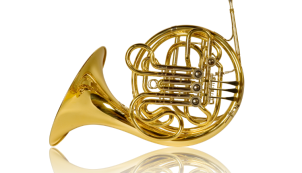
A double horn combines two instruments in one — typically a horn in F and a horn in B-flat, connected by a fourth valve called the thumb valve. Pressing the thumb valve switches between the two sides of the instrument. This gives players the warmer, more resonant tone of the F horn in the lower and middle registers, and the more secure, centered response of the B-flat horn in the upper register. Most professional players use double horns for exactly this reason — the upper register is notoriously tricky on the F horn alone, and the B-flat side makes those notes more reliable.
There is also a third option worth knowing about: the triple horn, which adds a high F horn to the mix. Triple horns are used by some professionals for repertoire with demanding high register writing, but they're heavier and more expensive, and most players never need one.
For beginners, a single F horn or a student-level double horn are both reasonable starting points depending on age, budget, and teacher recommendation. It's worth consulting your teacher before making a purchase — they'll steer you toward what makes sense for your specific situation.