





Find Your Ideal Voice Diction Teacher for Lessons Online





Discover experienced, passionate Voice Diction teachers to help you reach your next level.

Sophia

Jenny Fullwood

Kara Alfano

Erica Rondini
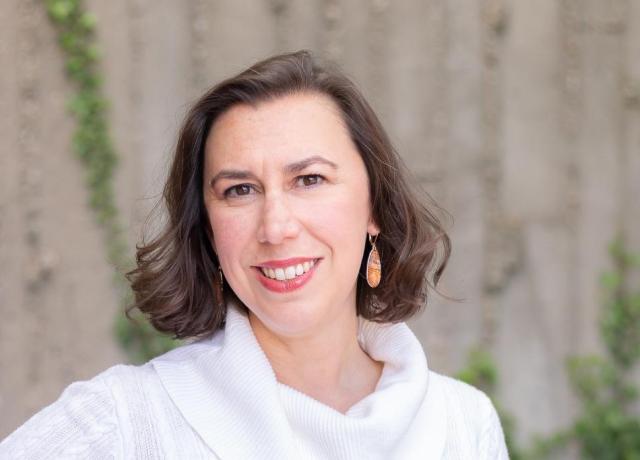
Kara is an awesome teacher. I'm so grateful for her expertise, patience and professionalism. I'm an interpreter and Kara has helped me to tangibly improve my diction and overall communication skills in today's virtual environment. Thank you!

Want help finding your ideal voice diction teacher?
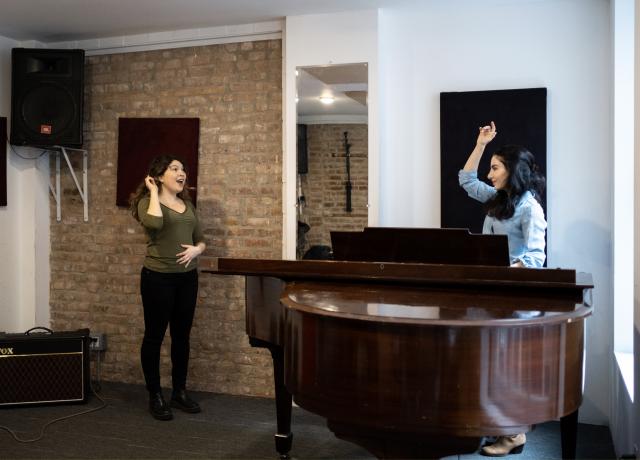




Great Voice Diction Teachers
About Voice Diction Lessons at Lessonface
Downloadable materials include packs, guides, and exercises to help you learn.






















Lessonface Guarantee
Designed for All Ages
Creating a joyful, safe, and convenient educational experience for our students is our goal. Learn more about our kid-friendly features here, or read our privacy policy and safety precautions here.
Have more questions? Check out our FAQ, or reach out.
About Lessonface
At Lessonface, we've held our mission of helping students achieve their goals while treating teachers equitably for over ten years. We're here to help you connect to your ideal teacher and make real progress. Please reach out with any questions or concerns.
 Claire Cunningham
- Founder & CEO
What is Lessonface?
How do online Voice Diction lessons work?
What is the best method for learning Voice Diction ?
We're biased, of course, but at Lessonface we believe the best way to learn Voice Diction is through one-on-one lessons. Personalized instruction means your teacher can tailor every lesson to your goals, learning style, and skill level. Online group classes can also be a great way to make learning fun and social. Learning Voice Diction online makes it easy to stay consistent, which is essential to steady progress.
There are plenty of apps and YouTube videos out there to help with learning Voice Diction, but most teachers agree that those resources work best as supplements to, not replacements for, one-on-one instruction. A skilled Voice Diction teacher can identify bad habits before they become ingrained, help you focus on what matters most, and solve problems as soon as they arise, often saving you months of frustration and wasted practice time. The bottom line? A real teacher accelerates your progress and keeps you on the right path from day one.
How do I find the best teacher for me for Voice Diction lessons?
With over 100 qualified Voice Diction teachers who have together earned an average of 5 out of 5 stars over 9 lesson reviews by verified students, you can be sure to find a great instructor at Lessonface.
Lessonface offers free tools to help you find the ideal tutor for you or your family:
- Use the open filtering system
- Use our matching service to describe your background, scheduling preferences, and any particular goals, and qualified Voice Diction teachers will respond.
You can view teachers' bios, accolades, rates, send them a message and book lessons from their profiles.
Many teachers offer a free trial, and you can book lessons one at a time until you decide you prefer to book a bundle or subscribe, so don't hesitate to try. Teachers may also offer group classes, self-paced courses, and downloadable content, so there are more ways to get started while you're still getting acquainted with the community.