





Find Your Ideal Trombone Teacher for Lessons Online
For beginners to advanced, kids & adults, these excellent Trombone teachers are vetted by staff experts and reviewed by verified students of online lessons at Lessonface.
View All Teachers Related Topics
Discover experienced, passionate Trombone teachers to help you reach your next level.
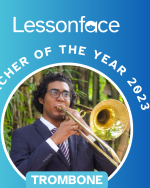
6 Years on Lessonface
Ricardo Hernandez Cabrera
Lessonface Trombone Teacher of the Year 2022 & 2023. Trombonist and Music Educator from the Dominican Republic. With 7+ years of performance and teaching experience. Performance highlights include: World Civic Orchestra (New York, 2025), Festival de Musica Santa Catarina (Brazil, 2025), Swenney Todd Pit orchestra (Orlando, 2024), India National Youth Orchestra (Lucknow, India,…
$25.00 / 30 min
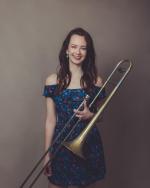
13 Years on Lessonface
Natalie Cressman
Trombonist, vocalist, and composer Natalie Cressman defies the expected. Her vocal agility and crystalline delivery, paired with her expressive range on trombone, offers audiences a fully three-dimensional experience. Hailing from an illustrious musical family, the San Francisco-raised trombonist, vocalist, and composer has been adopted by a disparate cast of masters, and at…
$60.00 / 30 min

11 Years on Lessonface
Tanya Carmichael Svec
Over 4100 lessons taught on Lessonface: Ms. Svec attended the Hayes School of Music at Appalachian State University on full scholarship to earn both her Bachelor of Music degree (Magna Cum Laude) and Master of Music degree (straight A student) in music education. She was chosen to be a Chancellor Scholar at Appalachian State University.
$32.00 / 30 min

7 Years on Lessonface
Luke Fleisher
Fall/School Schedule Begins August 9! I am a veteran teacher of 19 years in public school. I teach all ages and ability levels! I specialize in clarinet, bass clarinet flute, and saxophone. I also have extensive experience teaching trumpet, trombone, and baritone.
$29.50 / 30 min
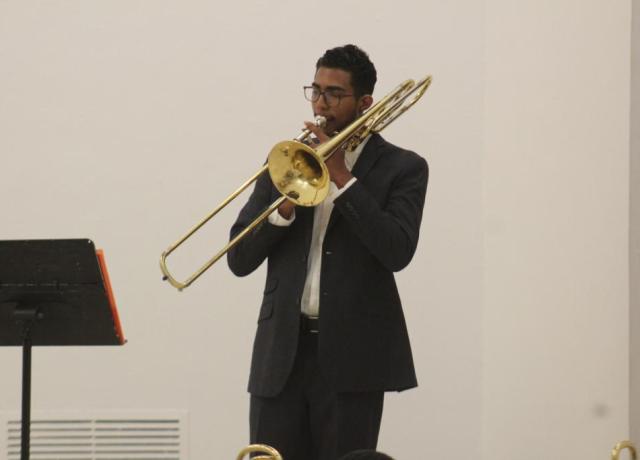
Photo: Ricardo Hernandez Cabrera
Excellent teacher. Friendly, professional, knowledgeable and very good trombone player.

Want help finding your ideal trombone teacher?
Fill out the quick form and teachers who fit your needs will be in touch.
Join live sessions and learn Trombone alongside others.
Upcoming Live Classes
4.9
Average Rating

Photo: David Farley



Great Trombone Teachers
Through our longstanding commitment to treat teachers equitably, we work with phenomenal instructors — including members of the MET Orchestra, Juilliard and Berklee alumni, GRAMMY® winners and nominees, and many other professional educators.
View Teachers 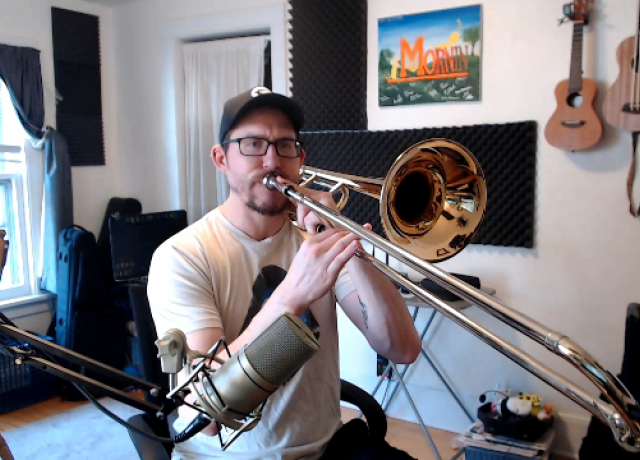
Photo: Ethan Warden
About Trombone Lessons at Lessonface
Find a great teacher, securely book a first lesson or trial, and meet via Zoom. Lessonface handles the lesson links and sends you reminders. Recordings, assignments, and notes are easy to access before, during, and after the lesson.
View Teachers 











Latest from the Blog
Tips, stories, and interviews from the Trombone community.

Lessonface Guarantee
Reach out to tell us within 48-hours of taking an unsatisfactory lesson, class, or course, and we will offer you a refund. Read more about the guarantee.
Designed for All Ages
Creating a joyful, safe, and convenient educational experience for our students is our goal. Learn more about our kid-friendly features here, or read our privacy policy and safety precautions here.
Have more questions? Check out our FAQ, or reach out.
About Lessonface
At Lessonface, we've held our mission of helping students achieve their goals while treating teachers equitably for over ten years. We're here to help you connect to your ideal teacher and make real progress. Please reach out with any questions or concerns.
 Claire Cunningham
- Founder & CEO
What is Lessonface?
Lessonface is a Public Benefit Corporation operating since 2012 whose purpose is to connect students with great teachers for music, language, and arts lessons. Teachers on Lessonface set their own rates and profiles, and students can select their ideal teachers based on their background, teaching style, rates, and schedule.
How do online Trombone lessons work?
Online lessons are effective, affordable, and accessible. Lessonface qualifies teachers in over 300 music, language, and arts subjects, including Trombone. Students can browse teachers' profiles, send them messages, and book lessons securely through Lessonface. Lessons happen via Zoom links that are securely generated for each lesson, and can be easily recorded by the teacher. Recordings, notes, and attachments can all be accessed from within the Lessonface dashboard. Lessons can be booked one at a time, in packages, or by subscription to save a spot on the teacher's calendar. Lessonface hosts recitals, open mics, group classes, and self-paced courses too. Registering an account is free so it's easy to get started reaching out to find your ideal instructor. Contact us with any further questions!
What is the best method for learning Trombone ?
We're biased, of course, but at Lessonface we believe the best way to learn Trombone is through one-on-one lessons. Personalized instruction means your teacher can tailor every lesson to your goals, learning style, and skill level. Online group classes can also be a great way to make learning fun and social. Learning Trombone online makes it easy to stay consistent, which is essential to steady progress.
There are plenty of apps and YouTube videos out there to help with learning Trombone, but most teachers agree that those resources work best as supplements to, not replacements for, one-on-one instruction. A skilled Trombone teacher can identify bad habits before they become ingrained, help you focus on what matters most, and solve problems as soon as they arise, often saving you months of frustration and wasted practice time. The bottom line? A real teacher accelerates your progress and keeps you on the right path from day one.
How do I find the best teacher for me for Trombone lessons?
With over 100 qualified Trombone teachers who have together earned an average of 5 out of 5 stars over 761 lesson reviews by verified students, you can be sure to find a great instructor at Lessonface.
Lessonface offers free tools to help you find the ideal tutor for you or your family:
- Use the open filtering system
- Use our matching service to describe your background, scheduling preferences, and any particular goals, and qualified Trombone teachers will respond.
You can view teachers' bios, accolades, rates, send them a message and book lessons from their profiles.
Many teachers offer a free trial, and you can book lessons one at a time until you decide you prefer to book a bundle or subscribe, so don't hesitate to try. Teachers may also offer group classes, self-paced courses, and downloadable content, so there are more ways to get started while you're still getting acquainted with the community.
How much do Trombone lessons cost?
Trombone teachers on Lessonface set their own rates. Rates are displayed on the teachers' profile pages and in the checkout process prior to booking. Teachers may choose to change their rates for new bookings, and students will always be notified prior to making payment. The average paid for a Trombone lesson on Lessonface in the past 12 months was $36.05. Some Trombone teachers offer a free trial lesson to new students, which are not factored into the average prices.
How does payment work for Trombone lessons?
There is no fee until you book your first paid lesson. Many teachers offer free trial lessons. Students can opt to book one a time, or purchase lesson packages or subscriptions for scheduling convenience, and, depending on the teachers, a discount. Payment can be made by credit card or Paypal. Lessons booked with a subscription are pre-paid three days before the end of the month for lessons that are scheduled for the following month. Subscription payments can only be made by credit card (not Paypal). Teachers receive their payment after the lesson has been completed.
How hard is it to learn trombone?
Trombone is a rewarding instrument that beginners can start playing successfully, though it does have some unique challenges compared to other brass instruments. Here's what to expect:
What makes trombone beginner-friendly:
- Simple mechanics: Unlike valved brass instruments, the trombone has no buttons or keys to memorize—just a slide.
- Quick first sounds: Most beginners can produce their first sounds within their first lesson.
- Powerful sound: Even beginners can make a satisfying, rich brass sound relatively quickly.
The unique trombone challenge—slide positions and intonation:
- No fixed pitches: Unlike valved instruments where you press specific combinations for specific notes, the trombone slide is continuous.
- Seven positions: The slide has seven basic positions, but finding them accurately takes practice. Being slightly off means playing out of tune, which can be frustrating initially.
- Developing your ear: Good intonation on trombone requires developing a strong sense of pitch. You're constantly adjusting and listening to stay in tune, which makes ear training essential.
- The good news: Your teacher will give you visual references (slide position charts) and exercises to build muscle memory. Most students develop reliable slide accuracy within a few months of consistent practice.
Other physical considerations:
- Arm extension: You need sufficient arm length to reach all seven slide positions comfortably.
- Breath support: Trombone requires good breath control and support, which develops over time with proper technique and practice.
Working with an experienced instructor is crucial for developing accurate slide positions and good intonation habits from the start.
Is trombone a good instrument for kids?
Yes, trombone is an excellent instrument for kids, but physical size and arm length matter more than with most other instruments.
Why trombone works well for children:
- School band programs: Trombone is essential in school bands, jazz ensembles, and orchestras, giving kids plenty of opportunities to play with peers and perform in groups.
- Leadership opportunities: Since fewer students choose trombone compared to instruments like flute or trumpet, trombone players often get featured parts and leadership roles in band.
- Cool factor: Kids love the trombone's powerful sound, slide action, and prominent role in jazz and popular music.
Arm length requirements:
- The critical factor: Your child needs sufficient arm length to reach all seven slide positions comfortably. Specifically, they need to reach 6th and 7th position (the farthest extensions) without straining or losing control.
- Typical starting age: Most kids begin trombone around age 10-12, when they have adequate arm length and lung capacity. Some children are ready earlier, while others may need to wait.
- Options for smaller children: Some manufacturers make small trombones specifically for younger players, making them easier to hold and control.
Physical and developmental considerations:
- Lung capacity: Trombone requires sustained breath support. Most kids around age 10-12 have developed sufficient lung capacity, though younger children can learn with proper breathing technique.
- Coordination: Managing embouchure, breath, and slide positions simultaneously requires coordination that develops around ages 9-11 for most children.
The best way to know if your child is ready is to consult with an experienced teacher who can assess their size, reach, and readiness.
What kind of trombone should a beginner buy? How much does a beginner trombone cost?
For nearly all beginners, a tenor trombone in the key of B♭ is the right choice. Here's what you need to know:
Tenor vs. bass trombone:
- Tenor trombone: The standard trombone for beginners, with a bright, versatile sound. Used in bands, orchestras, and jazz ensembles. This is what you should start with.
- Bass trombone: Larger bore, deeper sound, and usually includes an F-attachment (an extra section of tubing activated by a thumb trigger). Bass trombones are for advanced players and specific ensemble parts and are not appropriate for beginners.
Price ranges for beginner trombones:
- $400-$800: Quality student models from reputable brands like Yamaha, Bach, Conn, or Jupiter. These produce good tone, stay in adjustment, and are built to last.
- $200-$400: Budget options that may work short-term, though quality and durability can vary significantly.
- Under $200: Avoid very cheap trombones—they often have intonation problems, poor slide action, and mechanical issues that make learning frustrating.
- Rental option: Many music stores offer monthly rentals ($30-$50/month), which is ideal for testing commitment before buying. Some rental fees apply toward purchase.
For younger/smaller players: Some manufacturers make smaller models that are lighter and easier for children to manage. These can be good starter options, especially if arm strength or size is a concern.
Your teacher can recommend specific brands and models based on your size, budget, and goals.
What styles of music can I play on trombone?
The trombone is one of the most versatile brass instruments, appearing in nearly every musical genre and ensemble setting. Trombone players have opportunities across a wide spectrum of musical styles:
Classical music:
- Symphony orchestra: Trombones form the foundation of the brass section, playing everything from powerful fanfares to lyrical solos in symphonic repertoire.
- Wind ensemble and concert band: The trombone handles both melodic material and harmonic support across all concert band literature.
- Chamber music: Trombone appears in brass quintets, trombone choirs, and mixed chamber ensembles.
Jazz and popular styles:
- Jazz big band: Trombone is a cornerstone of big band music, playing both section parts and improvised solos.
- Jazz combo: Trombonists perform in small jazz groups, bringing a unique voice to bebop, swing, Latin jazz, and fusion.
- Funk and soul: The trombone's punchy, expressive sound is featured in funk bands, soul music, and R&B horn sections.
- Ska and reggae: Trombone delivers the signature rhythmic brass riffs that define the genre.
- Latin music: Salsa bands, mambo orchestras, and Latin jazz groups feature trombone prominently.
- Gospel and church music: Trombone appears in gospel bands, praise bands, and traditional church music.
- New Orleans brass band: Trombone is central to second line and brass band traditions.
Marching and outdoor ensembles:
- Marching band: Trombones project powerfully outdoors, making them vital in marching band and drum corps settings.
- Pep band: Trombone players energize crowds at sporting events and school functions.
Solo repertoire: The trombone has a substantial solo repertoire including concertos, sonatas, and contemporary works for recitals and competitions.
Do I need good lung capacity to play the trombone?
You don't need exceptional lung capacity to start learning trombone, but you do need to develop proper breathing technique.
What beginners need to know:
- Average lungs work fine: Most people have sufficient lung capacity to play trombone. The key is learning to use your air efficiently, not having the biggest lungs possible.
- Technique matters more: Proper breath support—using your diaphragm and core muscles—is far more important than raw lung capacity. With good technique, you can play long phrases without needing enormous breaths.
- It develops gradually: Beginners typically play shorter phrases and take more frequent breaths. As your technique improves and your lungs adapt, you'll naturally build endurance and capacity.
- Kids: Children around ages 10-12 typically have adequate lung development for trombone. Younger students may tire more quickly but build stamina with regular practice.
Your teacher will guide you in developing proper breathing technique from your first lesson, ensuring you use your air efficiently and avoid strain.