




Find Your Ideal Tenor Sax Teacher for Lessons Online
For beginners to advanced, kids & adults, these excellent Tenor Sax teachers are vetted by staff experts and reviewed by verified students of online lessons at Lessonface.
View All Teachers Related Topics
Discover experienced, passionate Tenor Sax teachers to help you reach your next level.

6 Years on Lessonface
Itzel Reyna
Hi! My name is Itzel Reyna. I’m a professional saxophone player, instructor, and music lover. I was awarded the first-ever Latin GRAMMY Prodigy Scholarship in 2015 in partnership with pop star Enrique Iglesias and Latin Grammy Cultural Foundation. I graduated from Berklee College of Music in 2019 and I’ve been giving saxophone/music lessons for the past 10 years.
$40.00 / 30 min

5 Years on Lessonface
Nikita Naymushin
ABRSM Exam Prep Teacher of the Year 2022 A contemporary musician, tutor and performing artist from Toronto, Canada. I play saxophone, flute, clarinet and basson. In 2013 I graduated with honors from Nizhny Novgorod State Conservatory specializing in saxophone and bassoon (Master`s degree).
$40.00 / 30 min

10 Years on Lessonface
Willem Moolenbeek
SAXOPH0NE TEACHER OF THE YEAR FROM 2019 to .... 2025! Learn to read and play music! Understand rhythms and counting, whether you play jazz, pop or concert style. Learning to read music is a simple step by step process that can open a world of playing. Access thousands of songs and solos that have been written for your instrument. Play confidently with others.
$35.50 / 30 min

7 Years on Lessonface
Luke Fleisher
Fall/School Schedule Begins August 9! I am a veteran teacher of 19 years in public school. I teach all ages and ability levels! I specialize in clarinet, bass clarinet flute, and saxophone. I also have extensive experience teaching trumpet, trombone, and baritone.
$29.50 / 30 min
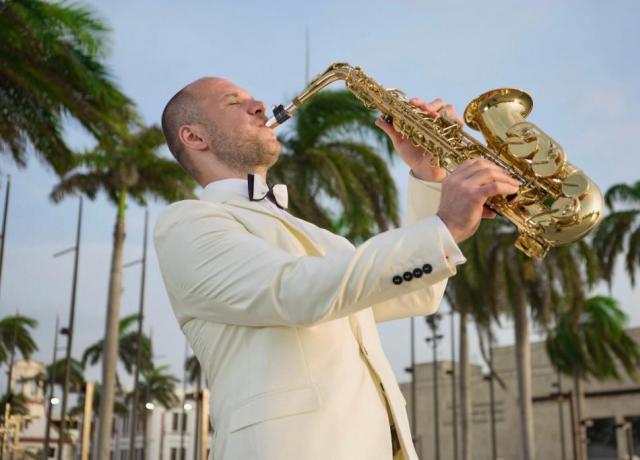
Photo: Nikita Naymushin
I'm so happy after my first class with Nikita Naymushin. It was amazing, engaging and so positive. Learning process is smooth, I love his teaching style. Looking forward to our next class
Want help finding your ideal tenor sax teacher?
Fill out the quick form and teachers who fit your needs will be in touch.
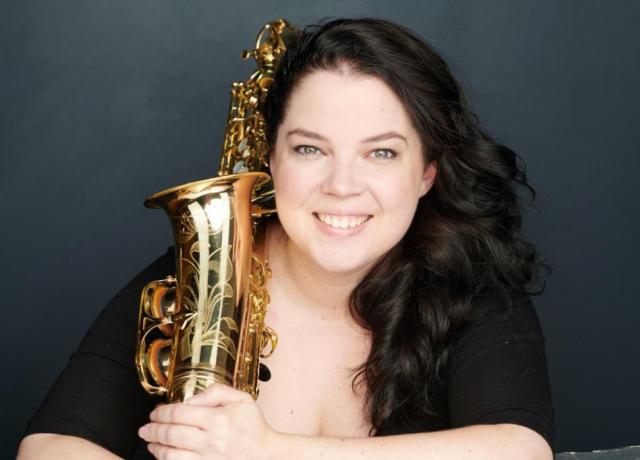
Photo: Maureen Walsh


Great Tenor Sax Teachers
Through our longstanding commitment to treat teachers equitably, we work with phenomenal instructors — including members of the MET Orchestra, Juilliard and Berklee alumni, GRAMMY® winners and nominees, and many other professional educators.
View Teachers 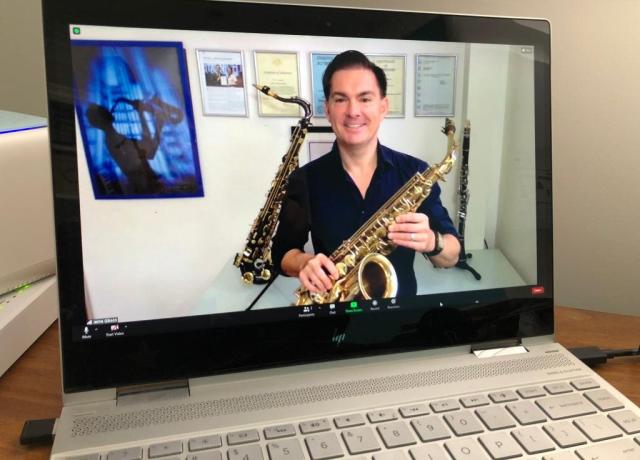
Photo: Jaime Gibson
About Tenor Sax Lessons at Lessonface
Find a great teacher, securely book a first lesson or trial, and meet via Zoom. Lessonface handles the lesson links and sends you reminders. Recordings, assignments, and notes are easy to access before, during, and after the lesson.
View Teachers Students have given their Lessonface
lessons over
39,900+ reviews.
Ali is an incredible teacher who inspires jazz flutists of all levels, from beginner to advanced. We are introduced to a few tunes each class. Ali teaches us about jazz articulation, dynamics, theory, and improvisation, in a fun, upbeat manner that is always a total blast. Through her warmth, charm, and vast teaching experience, she creates a supportive environment where we can play, listen and learn from each other. Can't wait for the next series!
My daughter just had her first saxophone lesson and absolutely loved it. Itzel did a great job making her feel comfortable, really listened to her, and explained things in a way that was practical and easy to apply right away. It was a fantastic first experience and we’re excited for her to continue learning with Itzel!
If you want a professional teacher who communicated clearly, has a genuine passion to teach and endless patience - you should definitely contact Tara. I have been taking saxophone lessons with her for approximately one year now and can assure you she is second to none!! Her lessons are well planned, she treats time preciously and does not waste it, and you will see fast progress from one lesson to the next.












Latest from the Blog
Tips, stories, and interviews from the Tenor Sax community.

Lessonface Guarantee
Reach out to tell us within 48-hours of taking an unsatisfactory lesson, class, or course, and we will offer you a refund. Read more about the guarantee.

Designed for All Ages
Creating a joyful, safe, and convenient educational experience for our students is our goal. Learn more about our kid-friendly features here, or read our privacy policy and safety precautions here.
Have more questions? Check out our FAQ, or reach out.
About Lessonface
At Lessonface, we've held our mission of helping students achieve their goals while treating teachers equitably for over ten years. We're here to help you connect to your ideal teacher and make real progress. Please reach out with any questions or concerns.
 Claire Cunningham
- Founder & CEO
What is Lessonface?
Lessonface is a Public Benefit Corporation operating since 2012 whose purpose is to connect students with great teachers for music, language, and arts lessons. Teachers on Lessonface set their own rates and profiles, and students can select their ideal teachers based on their background, teaching style, rates, and schedule.
How do online Tenor Sax lessons work?
Online lessons are effective, affordable, and accessible. Lessonface qualifies teachers in over 300 music, language, and arts subjects, including Tenor Sax. Students can browse teachers' profiles, send them messages, and book lessons securely through Lessonface. Lessons happen via Zoom links that are securely generated for each lesson, and can be easily recorded by the teacher. Recordings, notes, and attachments can all be accessed from within the Lessonface dashboard. Lessons can be booked one at a time, in packages, or by subscription to save a spot on the teacher's calendar. Lessonface hosts recitals, open mics, group classes, and self-paced courses too. Registering an account is free so it's easy to get started reaching out to find your ideal instructor. Contact us with any further questions!
What is the best method for learning Tenor Sax ?
We're biased, of course, but at Lessonface we believe the best way to learn Tenor Sax is through one-on-one lessons. Personalized instruction means your teacher can tailor every lesson to your goals, learning style, and skill level. Online group classes can also be a great way to make learning fun and social. Learning Tenor Sax online makes it easy to stay consistent, which is essential to steady progress.
There are plenty of apps and YouTube videos out there to help with learning Tenor Sax, but most teachers agree that those resources work best as supplements to, not replacements for, one-on-one instruction. A skilled Tenor Sax teacher can identify bad habits before they become ingrained, help you focus on what matters most, and solve problems as soon as they arise, often saving you months of frustration and wasted practice time. The bottom line? A real teacher accelerates your progress and keeps you on the right path from day one.
How do I find the best teacher for me for Tenor Sax lessons?
With over 100 qualified Tenor Sax teachers who have together earned an average of 5 out of 5 stars over 48 lesson reviews by verified students, you can be sure to find a great instructor at Lessonface.
Lessonface offers free tools to help you find the ideal tutor for you or your family:
- Use the open filtering system
- Use our matching service to describe your background, scheduling preferences, and any particular goals, and qualified Tenor Sax teachers will respond.
You can view teachers' bios, accolades, rates, send them a message and book lessons from their profiles.
Many teachers offer a free trial, and you can book lessons one at a time until you decide you prefer to book a bundle or subscribe, so don't hesitate to try. Teachers may also offer group classes, self-paced courses, and downloadable content, so there are more ways to get started while you're still getting acquainted with the community.
How much do Tenor Sax lessons cost?
Tenor Sax teachers on Lessonface set their own rates. Rates are displayed on the teachers' profile pages and in the checkout process prior to booking. Teachers may choose to change their rates for new bookings, and students will always be notified prior to making payment. The average paid for a Tenor Sax lesson on Lessonface in the past 12 months was $30.97. Some Tenor Sax teachers offer a free trial lesson to new students, which are not factored into the average prices.
How does payment work for Tenor Sax lessons?
There is no fee until you book your first paid lesson. Many teachers offer free trial lessons. Students can opt to book one a time, or purchase lesson packages or subscriptions for scheduling convenience, and, depending on the teachers, a discount. Payment can be made by credit card or Paypal. Lessons booked with a subscription are pre-paid three days before the end of the month for lessons that are scheduled for the following month. Subscription payments can only be made by credit card (not Paypal). Teachers receive their payment after the lesson has been completed.
What kind of saxophones are there? If you learn one, can you play the others?
The saxophone family is larger than most people realize. The four most common saxophones are soprano, alto, tenor, and baritone, ranging from smallest and highest-pitched to largest and lowest. Beyond these four, there are less common members of the family including the sopranino, bass, and contrabass saxophone, though these are rarely encountered outside of specialized ensembles.
Each saxophone has its own distinct character. The soprano has a bright, penetrating tone and is associated with jazz players like John Coltrane and Sidney Bechet. The alto is expressive and versatile, equally at home in classical and jazz settings. The tenor has a rich, warm sound and is probably the most recognizable saxophone voice in jazz and rock. The baritone brings a deep, powerful low end and is a cornerstone of big band and funk horn sections.
The good news for anyone wondering about switching: if you learn one saxophone, picking up another is genuinely manageable. The fingering system is essentially the same across the entire family, and the embouchure principles carry over, though each instrument has its own feel and requires some adjustment. Most saxophonists who specialize on one instrument can play the others to some degree, and many professionals double on two or more.
Alto is the most common starting point, but your musical goals and the guidance of a good teacher should ultimately drive the choice.
How is the tenor saxophone different from the alto saxophone?
The tenor and alto are the two most common saxophones, and they're closely related — same fingering system, same basic technique, same family. But they're not the same instrument, and the differences matter.
The most obvious difference is size and pitch. The tenor is larger than the alto and plays in a lower register — that warm, full, slightly husky sound you associate with jazz and R&B. The alto is brighter and higher. Both are transposing instruments, but they transpose differently: the alto sounds a major sixth lower than written, the tenor a major ninth lower. In practical terms this means the same written note produces a different pitch on each horn, which matters when you're playing with other musicians.
The tenor also takes more air. The bigger body means you need stronger breath support to fill it out, and beginners sometimes find the physical demands more tiring at first. The mouthpiece is larger too, which affects embouchure — your mouth position and the way you shape your lips around the reed.
If you already play alto, switching to tenor is very manageable. The fingering is identical, so you won't need to relearn the instrument from scratch. The main adjustments are:
- Getting used to the larger mouthpiece and reed
- Building the extra breath support the tenor requires
- Recalibrating your ear for the different pitch and transposition
- Adjusting to the physical size and weight of the horn
Most alto players find they're making real music on tenor within a few sessions. A teacher who knows both horns can speed up that transition considerably.
What styles of music can I play on the tenor saxophone?
The tenor saxophone has one of the broadest stylistic ranges of any instrument. It's been central to so many genres at so many different moments in music history that the question is almost easier to answer in reverse — there aren't many styles where it doesn't fit.
Jazz is where the tenor made its name. From the swing era through bebop, hard bop, cool jazz, and free jazz, the tenor has been the voice at the center of it all. Players like Coleman Hawkins, Lester Young, John Coltrane, and Sonny Rollins didn't just play jazz on tenor — they helped define what jazz sounded like.
But the tenor's reach goes well beyond jazz. A few other styles where it's right at home:
- R&B and soul — the honking, punchy tenor was a signature sound of early R&B and has never really left
- Rock and roll — early rock and roll leaned heavily on saxophone, and the tenor was front and center
- Blues — the tenor fits naturally into the blues idiom, both as a lead and accompaniment instrument
- Classical and concert band — the saxophone family has a full classical repertoire, and the tenor has its place in it
- Funk — the tenor punches hard in a horn section
- Pop and commercial music — session players and live bands across pop genres regularly feature tenor sax
If you have a specific style in mind, mention it when you're looking for a teacher — different teachers specialize in different idioms, and finding the right match makes a real difference.
What are the most important tenor sax techniques to focus on as a beginner?
Tenor sax has a reputation for being expressive and soulful, but that expressiveness is built on a foundation of physical fundamentals. Here's what matters most early on.
Embouchure comes first. This is the way you form your mouth around the mouthpiece — how your lips, jaw, and facial muscles work together to produce a sound. A good embouchure gives you a full, centered tone and makes everything else easier. A poor one creates bad habits that can take years to undo. This is one of the best reasons to start with a teacher rather than going it alone.
Breath support is just as important, and on tenor it's especially critical. The instrument needs a steady, pressurized column of air to respond well. Many beginners blow too softly or let their air stream collapse — the result is a thin, reedy tone or notes that don't speak cleanly. Learning to breathe from the diaphragm and sustain consistent air pressure is foundational.
From there, the key areas to develop are:
- Tone production — getting a full, even sound across the full range of the horn
- Articulation — using the tongue to start notes cleanly, and varying articulation for different styles
- Scales and finger technique — building smooth, even finger movement across keys
- Long tones — slow, sustained notes that train your ear and embouchure simultaneously
- Basic music reading — understanding how the tenor's transposition works in practice
None of this has to happen all at once. A good teacher will sequence these in a way that gets you making satisfying sounds quickly while building solid technique underneath.
How does transposition work on the tenor saxophone?
The tenor saxophone is a transposing instrument, which means the note you read on the page isn't the same pitch that comes out of the horn. Specifically, the tenor is a Bb instrument — when you play a written C, the pitch that actually sounds is a Bb. So if a guitarist says "the song is in G," you can't just play in G on your tenor and expect it to sound right. You'd need to play in A.
This surprises a lot of beginners, but it's less complicated in practice than it sounds. Most sheet music and method books you'll encounter are already written out in the correct transposed key for tenor sax — you just read and play. The transposition is handled for you.
Where it becomes relevant is when you're playing with other musicians and need to communicate about specific notes or keys, or when you want to read from a piano part or lead sheet. That's a skill that develops over time, and a good teacher will introduce it gradually.
For complete beginners, transposition is something to be aware of, but not something to worry about on day one. You'll absorb it naturally as you start playing with others and reading more music.
Why do some tenor players sound "bright" and others sound "dark," and what controls that?
One of the most fascinating things about the tenor saxophone is how different two players can sound on the same instrument. John Coltrane and Stan Getz were both playing tenor — you'd barely know it from the sound. That range of color comes from several interacting factors.
Embouchure is probably the biggest variable. The way a player shapes their mouth, jaw, and lip pressure around the mouthpiece has an enormous effect on tone. A relaxed, open embouchure tends to produce a warmer, darker sound. A firmer, more focused embouchure produces brightness and edge.
Air support and direction matter too. Where you direct your air stream inside the mouthpiece, and how much pressure you use, shapes the harmonic content of the tone.
Equipment plays a significant role as well:
- Mouthpiece — the single biggest gear variable. The baffle (the ramp inside the mouthpiece behind the reed) and chamber size are the main controls: a high baffle and small chamber produce brightness; a low baffle and large chamber produce a warmer, darker tone.
- Reed hardness — harder reeds generally produce a brighter, more resistant sound; softer reeds tend darker and more flexible
- The saxophone itself — vintage and modern horns have different tonal characters, though how much the instrument versus the mouthpiece drives tone is debated among players
For beginners, the mouthpiece that comes with a starter saxophone is usually chosen for ease of play rather than tone. As you develop, working with a teacher to experiment with equipment is one of the most rewarding parts of finding your sound.