













Find Your Ideal Vocal Coach for R&B Voice Lessons
Grow your skills with the guidance of a great R&B Voice teacher. Explore live online R&B Voice lessons, group classes, and self-paced courses — all led by qualified teachers and reviewed by your fellow students.
View All Teachers Related Topics
Discover Experienced, Passionate R&B Voice Teachers to Help You Reach Your Next Level
100+
Vetted Teachers
5.0
Average Rating
100+
Student Ratings
~$46
Avg. Lesson Price
View All Teachers
8 Years on Lessonface
Shelly Edwards
Hi there, I'm Shelly – a Vocalist and Voice Teacher living near the Greater Los Angeles Area. My journey revolves around a deep passion: guiding individuals like you to explore and unlock their vocal potential, no matter where their musical heart lies. What's my expertise? I specialize in sharing healthy techniques that pave the way for successful singing.
$45.00 / 30 min

2 Years on Lessonface
Idrise Ward-EL
I'm a vocal coach, recording artist, songwriter, and music producer with over 20 years of experience in the music industry. I specialize in helping singers, writers, and artists level up their craft, whether that's through vocal coaching, vocal styling, songwriting, song arrangement, engineering, or production.
$40.00 / 30 min

9 Years on Lessonface
Leah Hinton
Leah, Berklee College of music graduate and 2018 Jazz Act of the Year nominee for the New England Music Awards has been performing along the East Coast, teaching music, writing music and has collaborated with artists such as Valerie Simpson, Peter Collins, Kennedy Administration, Tom Browne, Yoron Israel, Binky Griptite and J.C. Hopkins and his Biggish Band.
$40.00 / 30 min

3 Years on Lessonface
Amanda B Johnson
For over 33 years as a musician and 29 years as an educator for all grade levels and teachers alike, I have the experience of learning from my previous students and applying more efficient techniques to current and future ones. Much like my students, I work towards learning the most innovative techniques while foreseeing the trends of the future in music and education.
$35.00 / 30 min

Photo: Jillian Comrie
It's rare to find such a gem! <3 hehhee and I'm not exaggerating :3 I've been singing with Jill for almost a year!! It's been so much fun and also productive. She is flexible in how she teaches as she wants to make sure your way of learning works FOR you. Not to mention she herself has an amazing voice. I was lucky to meet her and look forward to many more lessons. I don't sound like a toad anymore so, I know that these lessons are working! hahaa

Want help finding your ideal r&b voice teacher?
Fill out the quick form and teachers who fit your needs will be in touch.
Join Live Sessions and Learn Alongside Others
5.0
Average Rating
~$214
Avg. Price
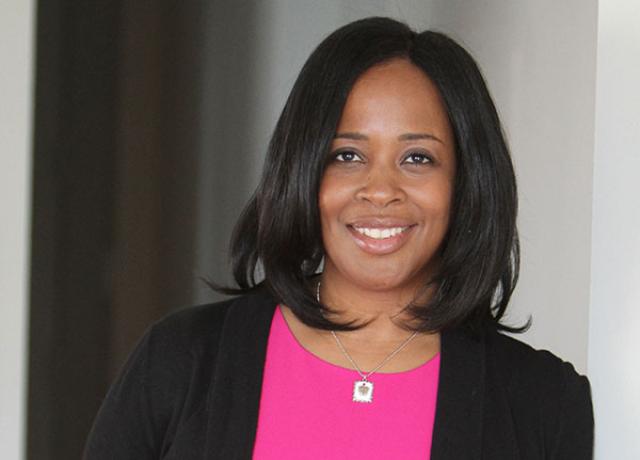
Photo: Michele Denise Michaels




Great R&B Voice Teachers
Through our longstanding commitment to treat teachers equitably, we work with phenomenal instructors — including members of the MET Orchestra, Juilliard and Berklee alumni, GRAMMY® winners and nominees, and many other professional educators.
View Teachers 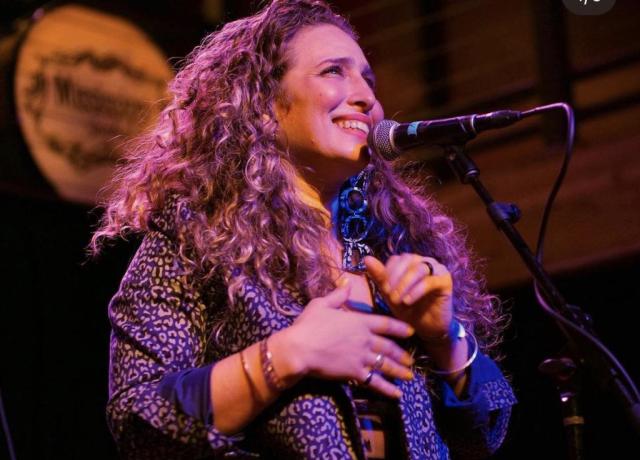
Photo: Moorea Masa
About R&B Voice Lessons at Lessonface
Find a great teacher, securely book a first lesson or trial, and meet via Zoom. Lessonface handles the lesson links and sends you reminders. Recordings, assignments, and notes are easy to access before, during, and after the lesson.
View Teachers Downloadable R&B Voice materials
16
Downloadables





















Latest from the Blog
Tips, stories, and interviews from the R&B Voice community.



Lessonface Guarantee
Reach out to tell us within 48-hours of taking an unsatisfactory lesson, class, or course, and we will offer you a refund. Read more about the guarantee.

Designed for All Ages
Creating a joyful, safe, and convenient educational experience for our students is our goal. Learn more about our kid-friendly features here, or read our privacy policy and safety precautions here.
Have more questions? Check out our FAQ, or reach out.
About Lessonface
At Lessonface, we've held our mission of helping students achieve their goals while treating teachers equitably for over ten years. We're here to help you connect to your ideal teacher and make real progress. Please reach out with any questions or concerns.
 Claire Cunningham
- Founder & CEO
What is Lessonface?
Lessonface is a Public Benefit Corporation operating since 2012 whose purpose is to connect students with great teachers for music, language, and arts lessons. Teachers on Lessonface set their own rates and profiles, and students can select their ideal teachers based on their background, teaching style, rates, and schedule.
How do online R&B Voice lessons work?
Online lessons are effective, affordable, and accessible. Lessonface qualifies teachers in over 300 music, language, and arts subjects, including R&B Voice. Students can browse teachers' profiles, send them messages, and book lessons securely through Lessonface. Lessons happen via Zoom links that are securely generated for each lesson, and can be easily recorded by the teacher. Recordings, notes, and attachments can all be accessed from within the Lessonface dashboard. Lessons can be booked one at a time, in packages, or by subscription to save a spot on the teacher's calendar. Lessonface hosts recitals, open mics, group classes, and self-paced courses too. Registering an account is free so it's easy to get started reaching out to find your ideal instructor. Contact us with any further questions!
What is the best method for learning R&B Voice ?
We're biased, of course, but at Lessonface we believe the best way to learn R&B Voice is through one-on-one lessons. Personalized instruction means your teacher can tailor every lesson to your goals, learning style, and skill level. Online group classes can also be a great way to make learning fun and social. Learning R&B Voice online makes it easy to stay consistent, which is essential to steady progress.
There are plenty of apps and YouTube videos out there to help with learning R&B Voice, but most teachers agree that those resources work best as supplements to, not replacements for, one-on-one instruction. A skilled R&B Voice teacher can identify bad habits before they become ingrained, help you focus on what matters most, and solve problems as soon as they arise, often saving you months of frustration and wasted practice time. The bottom line? A real teacher accelerates your progress and keeps you on the right path from day one.
How do I find the best teacher for me for R&B Voice lessons?
With over 100 qualified R&B Voice teachers who have together earned an average of 5 out of 5 stars over 101 lesson reviews by verified students, you can be sure to find a great instructor at Lessonface.
Lessonface offers free tools to help you find the ideal tutor for you or your family:
- Use the open filtering system
- Use our matching service to describe your background, scheduling preferences, and any particular goals, and qualified R&B Voice teachers will respond.
You can view teachers' bios, accolades, rates, send them a message and book lessons from their profiles.
Many teachers offer a free trial, and you can book lessons one at a time until you decide you prefer to book a bundle or subscribe, so don't hesitate to try. Teachers may also offer group classes, self-paced courses, and downloadable content, so there are more ways to get started while you're still getting acquainted with the community.
How much do R&B Voice lessons cost?
R&B Voice teachers on Lessonface set their own rates. Rates are displayed on the teachers' profile pages and in the checkout process prior to booking. Teachers may choose to change their rates for new bookings, and students will always be notified prior to making payment. The average paid for a R&B Voice lesson on Lessonface in the past 12 months was $41.54. Some R&B Voice teachers offer a free trial lesson to new students, which are not factored into the average prices.
How does payment work for R&B Voice lessons?
There is no fee until you book your first paid lesson. Many teachers offer free trial lessons. Students can opt to book one a time, or purchase lesson packages or subscriptions for scheduling convenience, and, depending on the teachers, a discount. Payment can be made by credit card or Paypal. Lessons booked with a subscription are pre-paid three days before the end of the month for lessons that are scheduled for the following month. Subscription payments can only be made by credit card (not Paypal). Teachers receive their payment after the lesson has been completed.
What makes R&B Voice different from other vocal styles?
R&B voice is rooted in feeling. More than almost any other vocal style, it prioritizes emotional expression, personal interpretation, and a direct connection between the singer and the listener. That quality — often described as "soul" — is at the heart of what makes R&B distinctive, even as the genre has evolved enormously from its roots in gospel and blues through classic soul, funk, new jack swing, neo-soul, and contemporary R&B.
Technically, R&B voice is defined by several characteristics that set it apart. Melisma — the technique of singing multiple notes over a single syllable — is one of the most recognizable. Runs and riffs, where the voice moves fluidly through a rapid sequence of notes, are a core part of the style's vocabulary. R&B singers also make heavy use of vocal inflections — bends, scoops, dips, and growls — that give phrases a conversational, spontaneous quality even when meticulously rehearsed.
Rhythm is another defining element. R&B phrasing is deeply tied to groove — singers often play with the beat, landing phrases slightly ahead or behind to create tension and release. This rhythmic flexibility is something that sets R&B voice apart from more metrically strict styles like classical or musical theater.
Finally, R&B voice places a high premium on individuality. Unlike classical singing, where a consistent, standardized tone is often the goal, R&B celebrates the unique quirks and character of each singer's voice. Developing your own sound is as important as mastering the techniques.
What are the most important vocal techniques for R&B singers?
R&B has a rich technical vocabulary, and developing fluency in it is what separates a singer who can carry a tune from one who can genuinely move an audience.
- Runs and riffs — the rapid, fluid movement through a sequence of notes that R&B singers use to embellish melodies and express emotion. They can sound spontaneous, but they're built through careful, methodical practice. Learning to execute them cleanly and musically, without overusing them, is a major focus for many R&B students.
- Melisma — the practice of singing multiple notes over a single syllable. Used well, it's deeply expressive. Used excessively, it can overwhelm a song. Learning when and how to deploy it is as important as learning the technique itself.
- Vocal inflections — bends, scoops, dips, and growls — give R&B phrasing its conversational, spontaneous feel. These subtle touches are often what make a performance feel lived-in and genuine rather than technically correct but emotionally flat.
- Belting is essential for the powerful, chest-voice-driven sound central to much R&B. Developing a strong, healthy belt without straining the voice is something a good teacher will prioritize from early on.
- Breath control underpins everything. Long phrases, sustained notes, and dynamic variation all depend on efficient breath management — it's the foundation that makes everything else possible.
- Agility and ear training go hand in hand in R&B. The more precisely you can hear a run or riff, the more accurately you can reproduce and eventually create your own.
I have training in another vocal style. Can I transition to R&B singing?
Yes — and in many ways, formal vocal training is a genuine asset when transitioning to R&B. The fundamentals of healthy singing transfer across styles: breath support, resonance, pitch accuracy, and vocal control are all things classical and musical theater training develop well, and they give you a strong foundation to build on.
That said, the transition involves some real adjustments. Classical training emphasizes a consistent, blended tone and precise execution of written music. Musical theater prioritizes clarity, projection, and storytelling through text. R&B asks for something different — a more personal, flexible relationship with tone, rhythm, and melody, where bending the rules is often the point.
Some specific areas to work on in the transition: R&B uses chest voice and belting in ways that classical technique typically discourages or approaches very differently. The raw, gritty qualities that give R&B its character — intentional breathiness, vocal fry, growls — may feel wrong to singers trained to produce a clean, pure tone. Melisma and runs require a kind of vocal agility that classical and musical theater training don't always develop.
Rhythmic phrasing is another adjustment. R&B singers play with the beat in ways that feel quite free compared to the metrically precise demands of classical music or the rhythmically driven but structured world of musical theater.
A teacher with strong R&B expertise can help you leverage what you already know while guiding you through what's genuinely new. Many singers find the transition deeply liberating — a chance to explore a more personal, expressive side of their voice.
What is the role of improvisation in R&B singing?
Improvisation is woven into the DNA of R&B — it's part of what gives the style its feeling of spontaneity and emotional immediacy, even in highly produced recordings.
At the most basic level, R&B improvisation shows up in the way singers ornament and embellish melodies. Rather than singing a melody exactly as written, R&B singers add runs, riffs, and inflections that make the performance their own. Two singers can take the same song in completely different directions depending on how they choose to interpret and embellish it. This is expected and celebrated in R&B in a way it isn't in classical music or most musical theater.
Live performance is where improvisation really opens up. Call and response with an audience, spontaneous extensions of phrases, and in-the-moment variations on familiar material are all part of the R&B performance tradition. Some of the most iconic moments in R&B history happened because a singer went off script.
R&B improvisation has deep roots in gospel music, where spontaneous vocal expression — responding to the spirit of the moment — is central to the tradition. That lineage runs directly through soul and into contemporary R&B.
Learning to improvise well takes time and a good ear. It starts with internalizing the style's vocabulary — learning runs, riffs, and inflections deeply enough that they become instinctive tools rather than rehearsed tricks. A good teacher will help you build that vocabulary and gradually develop the confidence to use it freely and expressively in your own way.
What is the difference between R&B, soul, and gospel singing?
These three styles are so deeply intertwined that separating them is more a matter of context and emphasis than hard boundaries. They share a common vocabulary of techniques — melisma, runs, vocal inflections, emotional directness — and have been influencing each other for decades.
Gospel is the root. Emerging from African American church traditions, gospel music is defined by its spiritual content and its emphasis on communal, spontaneous vocal expression. The techniques that define R&B and soul — the runs, the bends, the raw emotional delivery — were developed and refined in the gospel tradition. Many of the greatest R&B and soul singers grew up singing gospel and brought those techniques with them into secular music.
Soul emerged in the late 1950s and 1960s as gospel techniques and emotional intensity met secular themes and popular music structures. Artists like Ray Charles, Aretha Franklin, and Sam Cooke essentially created soul by taking the church's vocal fire and applying it to music about love, loss, and everyday life. Soul tends to emphasize raw emotion, powerful vocals, and a deep connection to the blues and gospel traditions.
R&B is both a predecessor and a descendant of soul — the term has meant different things in different eras. Early R&B in the 1940s and 50s was a broad category covering blues-influenced popular music. By the 1980s and 90s, contemporary R&B had absorbed funk, hip hop, and pop influences, producing a smoother, more produced sound. Today R&B encompasses a wide spectrum from neo-soul to trap soul.