












Find Your Ideal Vocal Coach for Classical Voice Lessons
Grow your skills with the guidance of a great Classical Voice teacher. Explore live online Classical Voice lessons, group classes, and self-paced courses — all led by qualified teachers and reviewed by your fellow students.
View All Teachers Related Topics
Discover Experienced, Passionate Classical Voice Teachers to Help You Reach Your Next Level
100+
Vetted Teachers
5.0
Average Rating
350+
Student Ratings
~$40
Avg. Lesson Price
View All Teachers

9 Years on Lessonface
Denise Bayraktar Sharp
I hold a Master's in Voice Performance degree from University of New Orleans and Bachelor of Science degree in Voice Performance from State Music Academy, Sofia, Bulgaria. In 2001, I toured with International European Opera Company which performed numerous times in Denmark, France, Italy and USA.
$35.00 / 30 min

2 Years on Lessonface
Egle Chisiu
Soprano | Vocal Coach | Music Educator Professional Summary I am a passionate and classically trained soprano from Lithuania, bringing a wealth of stage experience as both a soloist and ensemble performer. My diverse career includes operatic roles, music education, and vocal coaching.
$37.00 / 30 min

1 Year on Lessonface
Claire Jung
Opera-trained voice teacher offering personalized online lessons in classical voice, musical theatre, pop, audition preparation, competition coaching, and healthy vocal technique. I help singers build confidence, vocal freedom, musicality, and reliable technique through structured lessons, personalized practice notes, and supportive follow-up.
$30.00 / 30 min
6 Years on Lessonface
Joshua Clemenger
Joshua Clemenger began his musical journey in community theatre and choir, where he quickly fell in love with music. Following his training at the Theatre Aquarius program, he performed much of the great musical repertoire playing Curly in Oklahoma, Sgt Cable in South Pacific, John in Miss Saigon, Anatoly in Chess, and President Wintergreen in Of Thee I Sing.
$35.00 / 30 min

Photo: Kara Alfano
Kara has been a blessing to work with on perfecting my classical repertoire and opera arias. I look forward to each lesson diving into new music in great depth and detail. She is very kind, patient, and supportive of my musical goals! I am so grateful to have connected with Kara through LessonFace/

Want help finding your ideal classical voice teacher?
Fill out the quick form and teachers who fit your needs will be in touch.
Join Live Sessions and Learn Alongside Others
4.8
Average Rating
~$108
Avg. Price
Photo: Raehann Bryce-Davis


Great Classical Voice Teachers
Through our longstanding commitment to treat teachers equitably, we work with phenomenal instructors — including members of the MET Orchestra, Juilliard and Berklee alumni, GRAMMY® winners and nominees, and many other professional educators.
View Teachers 
Photo: Denise Bayraktar Sharp
About Classical Voice Lessons at Lessonface
Find a great teacher, securely book a first lesson or trial, and meet via Zoom. Lessonface handles the lesson links and sends you reminders. Recordings, assignments, and notes are easy to access before, during, and after the lesson.
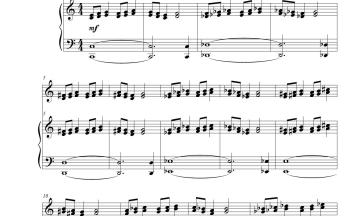
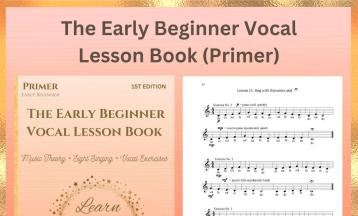
View Teachers Downloadable Classical Voice materials
17
Downloadables























Latest from the Blog
Tips, stories, and interviews from the Classical Voice community.



Lessonface Guarantee
Reach out to tell us within 48-hours of taking an unsatisfactory lesson, class, or course, and we will offer you a refund. Read more about the guarantee.

Designed for All Ages
Creating a joyful, safe, and convenient educational experience for our students is our goal. Learn more about our kid-friendly features here, or read our privacy policy and safety precautions here.
Have more questions? Check out our FAQ, or reach out.
About Lessonface
At Lessonface, we've held our mission of helping students achieve their goals while treating teachers equitably for over ten years. We're here to help you connect to your ideal teacher and make real progress. Please reach out with any questions or concerns.
 Claire Cunningham
- Founder & CEO
What is Lessonface?
Lessonface is a Public Benefit Corporation operating since 2012 whose purpose is to connect students with great teachers for music, language, and arts lessons. Teachers on Lessonface set their own rates and profiles, and students can select their ideal teachers based on their background, teaching style, rates, and schedule.
How do online Classical Voice lessons work?
Online lessons are effective, affordable, and accessible. Lessonface qualifies teachers in over 300 music, language, and arts subjects, including Classical Voice. Students can browse teachers' profiles, send them messages, and book lessons securely through Lessonface. Lessons happen via Zoom links that are securely generated for each lesson, and can be easily recorded by the teacher. Recordings, notes, and attachments can all be accessed from within the Lessonface dashboard. Lessons can be booked one at a time, in packages, or by subscription to save a spot on the teacher's calendar. Lessonface hosts recitals, open mics, group classes, and self-paced courses too. Registering an account is free so it's easy to get started reaching out to find your ideal instructor. Contact us with any further questions!
What is the best method for learning Classical Voice ?
We're biased, of course, but at Lessonface we believe the best way to learn Classical Voice is through one-on-one lessons. Personalized instruction means your teacher can tailor every lesson to your goals, learning style, and skill level. Online group classes can also be a great way to make learning fun and social. Learning Classical Voice online makes it easy to stay consistent, which is essential to steady progress.
There are plenty of apps and YouTube videos out there to help with learning Classical Voice, but most teachers agree that those resources work best as supplements to, not replacements for, one-on-one instruction. A skilled Classical Voice teacher can identify bad habits before they become ingrained, help you focus on what matters most, and solve problems as soon as they arise, often saving you months of frustration and wasted practice time. The bottom line? A real teacher accelerates your progress and keeps you on the right path from day one.
How do I find the best teacher for me for Classical Voice lessons?
With over 100 qualified Classical Voice teachers who have together earned an average of 5 out of 5 stars over 359 lesson reviews by verified students, you can be sure to find a great instructor at Lessonface.
Lessonface offers free tools to help you find the ideal tutor for you or your family:
- Use the open filtering system
- Use our matching service to describe your background, scheduling preferences, and any particular goals, and qualified Classical Voice teachers will respond.
You can view teachers' bios, accolades, rates, send them a message and book lessons from their profiles.
Many teachers offer a free trial, and you can book lessons one at a time until you decide you prefer to book a bundle or subscribe, so don't hesitate to try. Teachers may also offer group classes, self-paced courses, and downloadable content, so there are more ways to get started while you're still getting acquainted with the community.
How much do Classical Voice lessons cost?
Classical Voice teachers on Lessonface set their own rates. Rates are displayed on the teachers' profile pages and in the checkout process prior to booking. Teachers may choose to change their rates for new bookings, and students will always be notified prior to making payment. The average paid for a Classical Voice lesson on Lessonface in the past 12 months was $33.63. Some Classical Voice teachers offer a free trial lesson to new students, which are not factored into the average prices.
How does payment work for Classical Voice lessons?
There is no fee until you book your first paid lesson. Many teachers offer free trial lessons. Students can opt to book one a time, or purchase lesson packages or subscriptions for scheduling convenience, and, depending on the teachers, a discount. Payment can be made by credit card or Paypal. Lessons booked with a subscription are pre-paid three days before the end of the month for lessons that are scheduled for the following month. Subscription payments can only be made by credit card (not Paypal). Teachers receive their payment after the lesson has been completed.
What is classical voice, and how is it different from other styles of singing?
Classical voice is the tradition of singing developed over centuries of European concert music — the vocal art behind opera, art song, choral music, and oratorio. It's built on a set of techniques designed to project a resonant, full sound without amplification, across a wide range of dynamics and registers.
A few things set classical singing apart from other styles:
- Technique and production: classical voice prioritizes a specific kind of resonance — rounded, open, and projected from the body rather than the throat. Vowels are shaped in a particular way to maximize resonance and carry in large spaces. Vibrato is cultivated as a natural byproduct of good technique rather than added as an ornament.
- No microphone: classical singers are trained to fill concert halls and opera houses with unamplified sound. This shapes everything about how the voice is produced and used.
- Repertoire and language: classical singers work extensively in Italian, German, French, and Latin — the languages of the major operatic and art song traditions. Language and diction are integral parts of the training.
- Range and register: classical technique places a strong emphasis on developing an even, consistent sound across the full range of the voice, with smooth transitions between registers.
That said, classical training is widely respected as a foundation for all kinds of singing. The breath support, resonance, and technical control developed through classical study benefit singers in every genre — many pop, musical theatre, and jazz singers have classical training in their background.
Can classical voice training help me sing other styles?
Classical training is one of the most transferable foundations in all of vocal music, and the skills it builds show up across a wide range of styles.
Musical theatre has deep roots in classical technique, and the connection is closer than many people realize. Legit musical theatre singing — the style heard in classic Broadway repertoire and in much of contemporary musical theatre — draws directly on classical production, breath support, and resonance. Many musical theatre programs and coaches require classical foundations, and singers with classical training often have a significant advantage in auditions.
Choir and ensemble singing is perhaps the most natural extension of classical training. The blend, intonation, breath control, and sight-reading skills developed through classical study are exactly what choral directors look for. Whether you're singing in a community choir, a church ensemble, or an auditioned choral group, classical training will make you a stronger and more versatile section member.
Pop and contemporary styles benefit from classical training in less obvious but equally real ways. Breath support, resonance, and healthy technique are just as important in pop as in classical — they just get expressed differently. Many successful pop singers have classical backgrounds and credit that training with giving them the stamina, control, and vocal health to sustain long careers.
Other styles that benefit from classical foundations include jazz, folk, and early music. In each case, the core skills transfer even when the stylistic application looks quite different.
That said, classical training does develop specific habits — in vowel production, vibrato, and resonance placement — that sometimes need adjusting when moving to other styles. A good teacher will help you understand what transfers and what to adapt.
What vocal techniques are central to classical singing?
Classical singing is built on a set of techniques developed over centuries, all working together to produce a sound that is resonant, healthy, and capable of filling large spaces without amplification.
The most central techniques include:
- Breath support and management: the foundation of everything else in classical singing. Classical technique trains singers to use the diaphragm and intercostal muscles to control airflow with precision, producing a steady, supported tone across all dynamics and registers.
- Resonance and placement: classical singers learn to direct sound into specific resonating spaces in the body to create a full, projecting tone — the source of classical voices' characteristic richness and carrying power.
- Vowel formation and diction: vowels are shaped to maximize resonance while maintaining clarity of text. Diction in Italian, German, French, and Latin is an integral part of the training.
- Register transitions: moving smoothly between chest voice, middle voice, and head voice without audible breaks is a central technical goal across the full range.
- Vibrato: cultivated as a natural result of good technique and healthy breath support rather than added artificially — a hallmark of classical vocal development.
- Posture and alignment: classical technique pays close attention to physical alignment, jaw release, and throat openness as foundations for healthy, efficient production.
These techniques take time to develop but create a strong, healthy vocal foundation that serves singers for life.
What is bel canto, and why does it matter in classical voice?
Bel canto, which translates from Italian as "beautiful singing," is both a historical style and a set of vocal principles that remain central to classical voice training today.
As a historical style, bel canto refers to the Italian operatic tradition of the 17th through 19th centuries — the era of composers like Rossini, Bellini, and Donizetti. This repertoire demands extraordinary vocal agility, a seamless legato line, expressive phrasing, and an effortlessly beautiful tone across a wide range.
As a set of principles, bel canto emphasizes several things that remain foundational in classical training:
- Legato: a smooth, connected vocal line where notes flow into one another without interruption
- Evenness across registers: a consistent, beautiful tone from the bottom to the top of the voice with no audible breaks
- Ease and efficiency: bel canto technique prizes singing that sounds and feels natural and effortless, produced without tension or force
- Ornamentation and agility: the ability to execute runs, trills, and melodic embellishments cleanly and expressively
Why does it matter today? Because the principles of bel canto underpin most serious classical voice training regardless of repertoire. A teacher working on Verdi, Mozart, or German lieder is still drawing on bel canto ideals. The emphasis on a free, resonant, tension-free sound is as relevant now as it was three centuries ago.
What is the difference between opera, art song, and oratorio?
These three forms are the pillars of the classical vocal repertoire, and understanding what sets them apart helps you know what to expect as a classical singer.
Opera is music drama: a staged theatrical work in which singers take on characters and tell a story through music. It combines vocal performance with acting, costume, set design, and orchestra. Operas are typically sung throughout, and they range from intimate chamber works to massive spectacles. The voice types and technical demands vary widely, from the ornate agility of bel canto to the power and stamina required by Wagner.
Art song is the intimate end of the classical vocal spectrum: songs for solo voice and piano, typically setting poetry to music. The German lieder tradition — Schubert, Schumann, Brahms, Wolf — is the heart of the repertoire, alongside French mélodie and English song. Art song places enormous emphasis on text, subtlety, and the relationship between voice and piano. It's a deeply expressive genre that many singers find the most personally rewarding.
Oratorio is large-scale choral and orchestral music on a sacred or epic subject, performed in concert rather than staged. Think Handel's Messiah, Bach's St. Matthew Passion, or Elgar's The Dream of Gerontius. Solo singers perform alongside chorus and orchestra, and the demands are closer to opera than to art song in terms of scale and vocal power.
Most classical singers work across all three forms over the course of their development.