





Find Your Ideal Harmonica Teacher for Lessons Online
For beginners to advanced, kids & adults, these excellent Harmonica teachers are vetted by staff experts and reviewed by verified students of online lessons at Lessonface.
View All Teachers Discover experienced, passionate Harmonica teachers to help you reach your next level.

2 Years on Lessonface
Michael Beckhart
Starting something new or figuring out how to take it to the next level can be challenging, but I am here to guide you every step of the way. Since 2020, I have dedicated over 8,000 hours to teaching more than 200 students across various subjects including Music, Spanish, English, and College Prep on multiple platforms.
$35.00 / 30 min

9 Years on Lessonface
Federico Linari
Harmonica Teacher of the Year 2025/24/23/22/21. Immerse yourself in the captivating world of harmonica music with Federico Linari, a renowned professional player, teacher, and producer with a remarkable international career. He took center stage at prestigious harmonica festivals like the World Harmonica Festival, the Asia Pacific Harmonica Festival, and the Seoul International…
$30.00 / 30 min

New to Lessonface
Ron Call
Harmonica Lessons with a Professional Blues & Studio Musician I got my start playing harmonica alongside San Diego blues legend Tomcat Courtney, learning the tradition directly from someone who lived it. From there, I played with the Mississippi Mudsharks before becoming bandleader and harmonica player for Stevi Lynn & Bordercrossing, whose debut CD "Secure the Building" released…
$40.00 / 30 min
2 Years on Lessonface
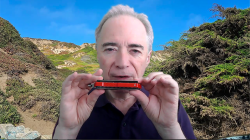
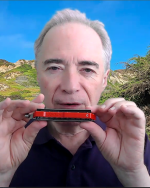
Winslow Yerxa
I'm a harmonica specialist. It's my area of deep knowledge and long experience teaching and playing. I work with your present abilities, your goals, and what inspires you. I can quickly evaluate what you need and use it to elevate your playing to new levels on all types of harmonica and in most styles of music.
$30.00 / 30 min
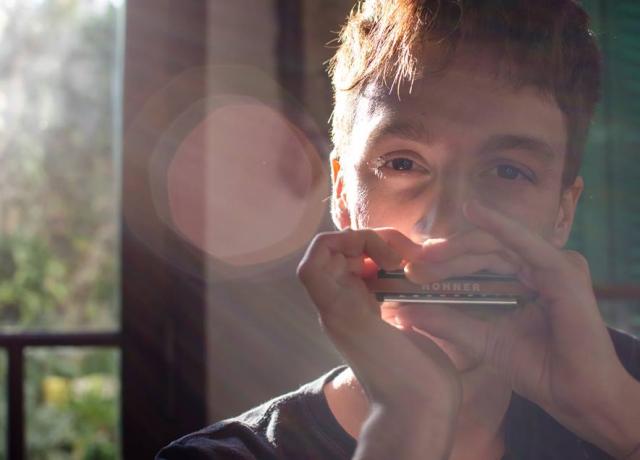
Photo: Federico Linari
I have been taking Harmonica lessons for about 1 and a half years now and I've had a wonderful experience! I had never learnt any musical instrument before. At the time I joined, I wasn't sure if I would even be able to play a single note well but now I'm able to play entire songs, especially my favorite songs and with much ease! All thanks to Federico and his impeccable skills! He is a very patient instructor and is also very responsive to my queries and difficulties. His feedbacks and tips are immensely helpful. He has also always been flexible and kind enough to move classes whenever I've requested. He's fully present throughout each of the classes and I'm so glad I got the opportunity to learn from him.

Want help finding your ideal harmonica teacher?
Fill out the quick form and teachers who fit your needs will be in touch.

Photo: Bryn Scott-Grimes



Great Harmonica Teachers
Through our longstanding commitment to treat teachers equitably, we work with phenomenal instructors — including members of the MET Orchestra, Juilliard and Berklee alumni, GRAMMY® winners and nominees, and many other professional educators.
View Teachers Photo: Federico Linari
About Harmonica Lessons at Lessonface
Find a great teacher, securely book a first lesson or trial, and meet via Zoom. Lessonface handles the lesson links and sends you reminders. Recordings, assignments, and notes are easy to access before, during, and after the lesson.
View Teachers 











Latest from the Blog
Tips, stories, and interviews from the Harmonica community.


Lessonface Guarantee
Reach out to tell us within 48-hours of taking an unsatisfactory lesson, class, or course, and we will offer you a refund. Read more about the guarantee.

Designed for All Ages
Creating a joyful, safe, and convenient educational experience for our students is our goal. Learn more about our kid-friendly features here, or read our privacy policy and safety precautions here.
Have more questions? Check out our FAQ, or reach out.
About Lessonface
At Lessonface, we've held our mission of helping students achieve their goals while treating teachers equitably for over ten years. We're here to help you connect to your ideal teacher and make real progress. Please reach out with any questions or concerns.
 Claire Cunningham
- Founder & CEO
What is Lessonface?
Lessonface is a Public Benefit Corporation operating since 2012 whose purpose is to connect students with great teachers for music, language, and arts lessons. Teachers on Lessonface set their own rates and profiles, and students can select their ideal teachers based on their background, teaching style, rates, and schedule.
How do online Harmonica lessons work?
Online lessons are effective, affordable, and accessible. Lessonface qualifies teachers in over 300 music, language, and arts subjects, including Harmonica. Students can browse teachers' profiles, send them messages, and book lessons securely through Lessonface. Lessons happen via Zoom links that are securely generated for each lesson, and can be easily recorded by the teacher. Recordings, notes, and attachments can all be accessed from within the Lessonface dashboard. Lessons can be booked one at a time, in packages, or by subscription to save a spot on the teacher's calendar. Lessonface hosts recitals, open mics, group classes, and self-paced courses too. Registering an account is free so it's easy to get started reaching out to find your ideal instructor. Contact us with any further questions!
What is the best method for learning Harmonica ?
We're biased, of course, but at Lessonface we believe the best way to learn Harmonica is through one-on-one lessons. Personalized instruction means your teacher can tailor every lesson to your goals, learning style, and skill level. Online group classes can also be a great way to make learning fun and social. Learning Harmonica online makes it easy to stay consistent, which is essential to steady progress.
There are plenty of apps and YouTube videos out there to help with learning Harmonica, but most teachers agree that those resources work best as supplements to, not replacements for, one-on-one instruction. A skilled Harmonica teacher can identify bad habits before they become ingrained, help you focus on what matters most, and solve problems as soon as they arise, often saving you months of frustration and wasted practice time. The bottom line? A real teacher accelerates your progress and keeps you on the right path from day one.
How do I find the best teacher for me for Harmonica lessons?
With over 100 qualified Harmonica teachers who have together earned an average of 5 out of 5 stars over 322 lesson reviews by verified students, you can be sure to find a great instructor at Lessonface.
Lessonface offers free tools to help you find the ideal tutor for you or your family:
- Use the open filtering system
- Use our matching service to describe your background, scheduling preferences, and any particular goals, and qualified Harmonica teachers will respond.
You can view teachers' bios, accolades, rates, send them a message and book lessons from their profiles.
Many teachers offer a free trial, and you can book lessons one at a time until you decide you prefer to book a bundle or subscribe, so don't hesitate to try. Teachers may also offer group classes, self-paced courses, and downloadable content, so there are more ways to get started while you're still getting acquainted with the community.
How much do Harmonica lessons cost?
Harmonica teachers on Lessonface set their own rates. Rates are displayed on the teachers' profile pages and in the checkout process prior to booking. Teachers may choose to change their rates for new bookings, and students will always be notified prior to making payment. The average paid for a Harmonica lesson on Lessonface in the past 12 months was $38.25. Some Harmonica teachers offer a free trial lesson to new students, which are not factored into the average prices.
How does payment work for Harmonica lessons?
There is no fee until you book your first paid lesson. Many teachers offer free trial lessons. Students can opt to book one a time, or purchase lesson packages or subscriptions for scheduling convenience, and, depending on the teachers, a discount. Payment can be made by credit card or Paypal. Lessons booked with a subscription are pre-paid three days before the end of the month for lessons that are scheduled for the following month. Subscription payments can only be made by credit card (not Paypal). Teachers receive their payment after the lesson has been completed.
What kind of harmonica should I buy as a beginner, and how many do I need to get started?
For most beginners, the right starting point is a 10-hole diatonic harmonica in the key of C. The diatonic harmonica is the most common type in blues, rock, folk, and country music, and C is the standard starting key — most beginner instructional material is written for it, and it sits in a comfortable range for learning the basics.
When it comes to brands, a few names come up consistently for beginners: Hohner, Suzuki, and Lee Oskar all make reliable starter harmonicas in the $30–$50 range that play well and will last. It's worth spending a little more than the absolute minimum — very cheap harmonicas can be harder to play and may discourage you early on.
You only need one harmonica to get started. As you advance, you'll likely want harmonicas in other keys — diatonic harmonicas are pitched to a specific key, so playing in different keys or with other musicians eventually means expanding your collection. But that's a down-the-road consideration, not a day-one requirement.
One other type worth knowing about is the chromatic harmonica, which has a button on the side that allows you to play all 12 notes of the chromatic scale. It's common in jazz, classical, and some pop styles. Most teachers recommend starting on diatonic and moving to chromatic later if your musical interests take you there.
When in doubt, ask your teacher before buying — they'll have specific recommendations based on the style you want to play.
What genres of music can I play on harmonica?
The harmonica is more versatile than most people expect. It's closely associated with blues — the wailing, bending sound of blues harmonica is one of the most recognizable timbres in American music — but that's just the beginning.
In folk and country music, harmonica has a long history as both a solo instrument and an accompaniment tool. Bob Dylan made the harmonica-and-guitar combination iconic, and the instrument is a natural fit for singer-songwriters in those traditions. Rock music borrowed heavily from blues harmonica, and the instrument shows up throughout classic and modern rock. Neil Young, Bruce Springsteen, and John Lennon are just a few rock artists well known for their harmonica playing.
Jazz harmonica has its own distinguished tradition. Players like Toots Thielemans brought the chromatic harmonica into jazz at the highest level, and the instrument is fully at home in that context. Classical music has a smaller but serious harmonica repertoire, with composers writing specifically for the chromatic harmonica.
Outside of Western popular music, harmonica has found a place in many other traditions — it's common in Chinese folk music, has a presence in Afrobeat and other African styles, and appears in various Latin American musical traditions.
The style you want to play will have some influence on which type of harmonica you start with and what techniques you focus on early. A good teacher will help you chart a path that connects your musical interests to the right skills and repertoire from the start.
What is blues harmonica, and how is it different from other styles?
Blues harmonica is the style most people picture when they think of the instrument — raw, expressive, and immediately recognizable. It's built around a set of techniques that are largely unique to the style, and it has its own deep musical vocabulary.
The most important of these techniques is bending — manipulating your breath and mouth position to lower the pitch of a note, creating that characteristic crying, vocal quality. Bending is central to blues harmonica in a way it isn't in most other styles, and it's one of the first things blues players focus on developing. Related techniques like overblowing and overdrawing allow advanced players to access additional notes and push the instrument even further expressively.
Blues harmonica is most commonly played in second position — also called "cross harp" — where you play a harmonica in a key a fifth above the key of the song. So to play blues in the key of A, you'd reach for a D harmonica. This position gives you easy access to the blues scale and produces that characteristic bluesy sound that first position doesn't quite capture.
In contrast, folk and country harmonica tends to use first position, playing the harmonica in its natural key, with a cleaner and more melodic approach. Jazz harmonica, often played on chromatic harmonica, focuses on a different set of technical and improvisational skills. Classical harmonica is precise and carefully notated.
Blues harmonica is a great entry point for many beginners — the techniques are physically intuitive, and even early progress can sound and feel deeply satisfying.
What is the difference between playing harmonica in first position and second position?
Position refers to the relationship between the key of your harmonica and the key of the song you're playing. It's one of those concepts that sounds technical at first but becomes intuitive pretty quickly once you start applying it.
First position — also called straight harp — means playing the harmonica in its natural key. If you have a C harmonica and you're playing a song in C, you're in first position. It's a natural fit for melodies that emphasize the home note of the scale, and it's common in folk, country, and pop styles. The tone tends to be bright and straightforward.
Second position — cross harp — is where blues harmonica lives. Here you play a harmonica pitched a fifth above the key of the song. A G harmonica played over a C blues, for example, puts you in second position. This shift gives you easy access to the blues scale and the draw notes that bend most expressively, which is why it became the foundation of blues style. The tone is grittier and more vocal.
Third position is less common but worth knowing about. It produces a minor, somewhat melancholic sound and works well for minor key songs and certain jazz and classical contexts.
Most beginners start in first position because it's the most intuitive, then move into second position as they develop their technique — especially if blues is their goal. Understanding positions opens up a lot of flexibility and helps you figure out which harmonica to reach for in any musical situation.
I taught myself a few songs on harmonica. What can a teacher help me with that I can't learn on my own?
Teaching yourself songs is a great way to get started, and if you've done that successfully you already have something important: proof that you can make music on the instrument. But there's a ceiling to self-teaching that most players hit eventually, and a teacher can help you break through it in ways that are hard to replicate on your own.
The biggest one is technique. Harmonica has some physically subtle techniques — bending in particular — that are difficult to learn from videos or tab alone. A teacher can hear exactly what you're doing, diagnose what's going wrong, and give you targeted adjustments. What might take months of frustrated trial and error on your own can often be unlocked in a few focused lessons.
A teacher also brings structure. Self-taught players often have uneven skills — strong in some areas, with gaps in others that they may not even be aware of. A good teacher will assess where you are and help you build a more complete foundation, filling in those gaps before they become habits that are harder to correct later.
Beyond technique and structure, a teacher expands your musical world. They can introduce you to repertoire, styles, and approaches you might never have found on your own, and help you develop your own musical voice rather than just replicating what you've heard.
Finally, having a teacher creates accountability and momentum. It's easy for self-directed practice to stall. Regular lessons give your playing direction and keep you moving forward.