


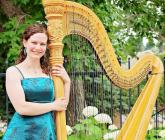
Find Your Ideal Harp Teacher for Lessons Online
For beginners to advanced, kids & adults, these excellent Harp teachers are vetted by staff experts and reviewed by verified students of online lessons at Lessonface.
View All Teachers Related Topics
Discover experienced, passionate Harp teachers to help you reach your next level.
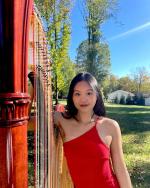
5 Years on Lessonface
Ashley Lim
Singaporean classical harpist, Ashley Lim Cheng Wei, is a current fellow at The Orchestra Now where she holds the position of principal harpist. Since starting the harp at age fourteen, Ashley has performed internationally in major venues such as Carnegie Hall, Jazz at Lincoln Center, Met Museum, Symphony Space, the Esplanade and Victoria Concert Hall among others.
$45.00 / 30 min
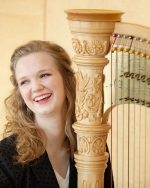
7 Years on Lessonface
Melanie Mashner
Professional harpist Melanie Mashner is passionate about bringing joy to the people around her through music. Newly appointed as the Principal Harpist of the Carmel Symphony Orchestra, Melanie was the Graduate Assistant Instructor in Harp for the Indiana University Jacobs School of Music for the past two years, where she has worked and studied with renowned international concert…
$40.00 / 30 min

9 Years on Lessonface
Jill Weaver
I am a harpist, pianist, arranger, composer, performer, and lover of music. With over 10 years of experience teaching both piano and harp lessons. Although I graduated from Brigham Young University in Idaho with a bachelor's in visual communication, I have continued to stretch my skills as a musician and teacher.
$35.00 / 30 min
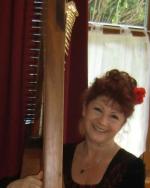
5 Years on Lessonface
Nicola Frances Peniston-Bird
Hi, my name is Nicola and I have been fascinated by music since I was a toddler. My family is very musical and I loved trying out all the instruments around our house! However, it wasn't until I saw my first ballet at five, that I discovered the magic of the harp and knew it was the instrument of my dreams!
$35.00 / 30 min
Photo: Jason Fawks
I highly recommend Mr. Jason! I have been learning the lyre harp for a little over 2 months now and have progressed a ton. Jason is very helpful, gives clear instructions and is a lot of fun to take lessons with!
Want help finding your ideal harp teacher?
Fill out the quick form and teachers who fit your needs will be in touch.
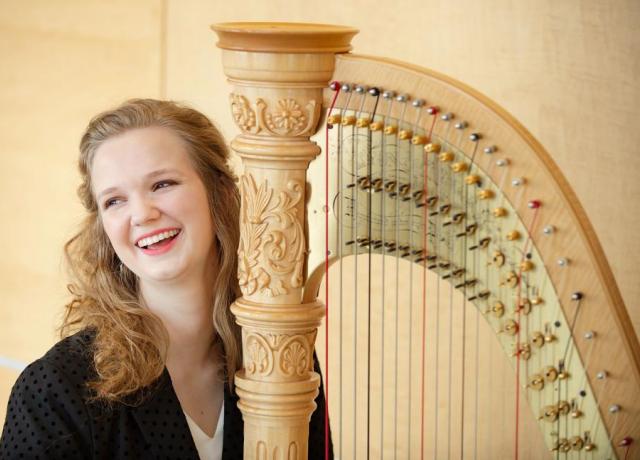
Photo: Melanie Mashner


Great Harp Teachers
Through our longstanding commitment to treat teachers equitably, we work with phenomenal instructors — including members of the MET Orchestra, Juilliard and Berklee alumni, GRAMMY® winners and nominees, and many other professional educators.
View Teachers 
Photo: Nicola Frances Peniston-Bird
About Harp Lessons at Lessonface
Find a great teacher, securely book a first lesson or trial, and meet via Zoom. Lessonface handles the lesson links and sends you reminders. Recordings, assignments, and notes are easy to access before, during, and after the lesson.
View Teachers 











Latest from the Blog
Tips, stories, and interviews from the Harp community.

Lessonface Guarantee
Reach out to tell us within 48-hours of taking an unsatisfactory lesson, class, or course, and we will offer you a refund. Read more about the guarantee.
Designed for All Ages
Creating a joyful, safe, and convenient educational experience for our students is our goal. Learn more about our kid-friendly features here, or read our privacy policy and safety precautions here.
Have more questions? Check out our FAQ, or reach out.
About Lessonface
At Lessonface, we've held our mission of helping students achieve their goals while treating teachers equitably for over ten years. We're here to help you connect to your ideal teacher and make real progress. Please reach out with any questions or concerns.
 Claire Cunningham
- Founder & CEO
What is Lessonface?
Lessonface is a Public Benefit Corporation operating since 2012 whose purpose is to connect students with great teachers for music, language, and arts lessons. Teachers on Lessonface set their own rates and profiles, and students can select their ideal teachers based on their background, teaching style, rates, and schedule.
How do online Harp lessons work?
Online lessons are effective, affordable, and accessible. Lessonface qualifies teachers in over 300 music, language, and arts subjects, including Harp. Students can browse teachers' profiles, send them messages, and book lessons securely through Lessonface. Lessons happen via Zoom links that are securely generated for each lesson, and can be easily recorded by the teacher. Recordings, notes, and attachments can all be accessed from within the Lessonface dashboard. Lessons can be booked one at a time, in packages, or by subscription to save a spot on the teacher's calendar. Lessonface hosts recitals, open mics, group classes, and self-paced courses too. Registering an account is free so it's easy to get started reaching out to find your ideal instructor. Contact us with any further questions!
What is the best method for learning Harp ?
We're biased, of course, but at Lessonface we believe the best way to learn Harp is through one-on-one lessons. Personalized instruction means your teacher can tailor every lesson to your goals, learning style, and skill level. Online group classes can also be a great way to make learning fun and social. Learning Harp online makes it easy to stay consistent, which is essential to steady progress.
There are plenty of apps and YouTube videos out there to help with learning Harp, but most teachers agree that those resources work best as supplements to, not replacements for, one-on-one instruction. A skilled Harp teacher can identify bad habits before they become ingrained, help you focus on what matters most, and solve problems as soon as they arise, often saving you months of frustration and wasted practice time. The bottom line? A real teacher accelerates your progress and keeps you on the right path from day one.
How do I find the best teacher for me for Harp lessons?
With over 100 qualified Harp teachers who have together earned an average of 5 out of 5 stars over 341 lesson reviews by verified students, you can be sure to find a great instructor at Lessonface.
Lessonface offers free tools to help you find the ideal tutor for you or your family:
- Use the open filtering system
- Use our matching service to describe your background, scheduling preferences, and any particular goals, and qualified Harp teachers will respond.
You can view teachers' bios, accolades, rates, send them a message and book lessons from their profiles.
Many teachers offer a free trial, and you can book lessons one at a time until you decide you prefer to book a bundle or subscribe, so don't hesitate to try. Teachers may also offer group classes, self-paced courses, and downloadable content, so there are more ways to get started while you're still getting acquainted with the community.
How much do Harp lessons cost?
Harp teachers on Lessonface set their own rates. Rates are displayed on the teachers' profile pages and in the checkout process prior to booking. Teachers may choose to change their rates for new bookings, and students will always be notified prior to making payment. The average paid for a Harp lesson on Lessonface in the past 12 months was $36.19. Some Harp teachers offer a free trial lesson to new students, which are not factored into the average prices.
How does payment work for Harp lessons?
There is no fee until you book your first paid lesson. Many teachers offer free trial lessons. Students can opt to book one a time, or purchase lesson packages or subscriptions for scheduling convenience, and, depending on the teachers, a discount. Payment can be made by credit card or Paypal. Lessons booked with a subscription are pre-paid three days before the end of the month for lessons that are scheduled for the following month. Subscription payments can only be made by credit card (not Paypal). Teachers receive their payment after the lesson has been completed.
Can I learn harp as an adult with no musical background?
Adult beginners bring real advantages to learning harp — life experience, listening history, and the ability to practice with intention. The instrument is also genuinely well-suited to starting later in life. The sound is rewarding from early on, basic hand position feels natural, and simple pieces are satisfying to play long before you've mastered the instrument.
No prior musical experience is required to start. Your teacher will meet you where you are and build your skills from the ground up.
You don't need to read music to begin, either. In Celtic and folk styles especially, many teachers use chord symbols and ear-based approaches alongside or instead of standard notation. That said, learning to read music does open doors — it expands your repertoire enormously and makes it easier to learn new pieces independently. Most adult students find that the basics of music reading come naturally and gradually through lessons, without it ever feeling like a separate subject to master.
What matters most at the start is finding a teacher whose approach fits how you learn. Some teachers specialize in adult beginners and know how to make progress feel tangible and fun. A trial lesson is a great low-stakes way to get a feel for the instrument and find the right fit before committing to anything.
How much does a beginner harp cost, and do I need to own one before starting lessons?
Harps have a wider price range than most instruments, but there are solid beginner options at accessible price points. A decent starter lever harp — the type most beginners start on — typically runs between $500 and $1,500 new. Well-known beginner-friendly brands include Roosebeck, Rees, and Dusty Strings, though your teacher will likely have recommendations based on your goals and budget. Pedal harps, which are used in orchestral playing, start around $5,000 and go up significantly from there — not something to worry about as a beginner.
Renting is a smart option for new students and is worth exploring before buying. Some music stores and harp societies offer rental programs, and renting gives you time to confirm your interest and get your teacher's input before investing in an instrument.
As for whether you need a harp before starting lessons: not necessarily. A first lesson or two can happen without one — it's a good opportunity to try the instrument, get guidance on what to buy or rent, and make sure it's the right fit. That said, you'll need regular access to a harp fairly quickly to make meaningful progress, since there's no real substitute for daily time on the strings.
If you're not sure where to start, your teacher is your best resource. They can point you toward reputable instruments in your price range and help you avoid common beginner mistakes when shopping.
What is the difference between a lever harp and a pedal harp, and which should I start with?
The main difference comes down to how you change keys and access sharps and flats. A lever harp has small levers at the top of each string that you flip by hand to raise a string's pitch by a half step. A pedal harp uses seven pedals — one per note name — that can be set to flat, natural, or sharp, giving you instant access to any key and allowing mid-piece key changes that aren't possible on a lever harp. Pedal harps are also significantly larger and heavier, and are the standard instrument in orchestral and classical concert settings.
For most beginners, a lever harp is the right place to start — and for many players, it stays the right instrument indefinitely. Celtic, folk, pop, and a great deal of classical music is entirely playable on lever harp. The instrument is lighter, more portable, and much more affordable than a pedal harp.
Pedal harp makes sense as a goal if you're drawn to orchestral playing or classical repertoire at an advanced level. Some students start on lever harp and transition later; others begin on pedal harp if that's clearly where they're headed and resources allow.
Not sure which direction is right for you? A teacher can help you think it through based on your musical interests, goals, and budget. That's a great conversation to have in a first lesson.
At what age can a child start harp lessons?
Most children are ready to begin harp lessons somewhere between ages 6 and 9, though this varies by child. Physical readiness matters more than age: a child needs enough hand span to reach the strings comfortably and enough finger strength to pluck them with control. A teacher can assess this quickly in a first meeting.
There are smaller harps made specifically for younger players. Lap harps and small lever harps with fewer strings are widely available and well-suited to children's hands and proportions. As a child grows, they can move up to a full-sized instrument gradually — this is a normal and expected progression, similar to what string instrument students experience with fractional violins and cellos.
As for readiness beyond the physical: the most important indicators are genuine interest and the ability to focus for the length of a lesson — typically 30 minutes for younger beginners. A child who asks about the harp, responds to its sound, or shows curiosity about music generally is a good candidate. Parental support at home also makes a real difference in early progress, particularly for younger students who benefit from a parent sitting in on lessons and helping guide practice.
If you're unsure whether your child is ready, a trial lesson is the lowest-stakes way to find out. A good teacher will give you an honest read on where your child is and what to expect.
What styles of music can I play on the harp?
The harp is more versatile than many people expect. Most people picture the concert grand pedal harp in an orchestra, and classical music is indeed a rich and central part of the harp's repertoire — from Baroque pieces to Romantic concertos to contemporary classical composition. But that's only one corner of what the instrument can do.
Celtic and folk harp has its own deep tradition, particularly in Irish, Scottish, and broader Celtic music. This style is typically played on lever harp and has a devoted global community of players and teachers. It's also one of the most beginner-friendly entry points into the instrument, with a wealth of accessible repertoire from the start.
Beyond classical and Celtic, harp appears in jazz, Latin music, gospel, and film and video game soundtracks. Pop harp has grown significantly in recent years, with a new generation of players arranging and performing contemporary songs. Singer-songwriters increasingly use harp as a primary accompaniment instrument. Bossa nova and other Latin styles have a particularly lovely natural fit with the instrument's sound.
The style you pursue will shape which instrument and which teacher is the right fit. A classical track points toward pedal harp; Celtic and folk, pop, and singer-songwriter styles are all very much at home on lever harp. Many teachers specialize in one or two styles, so it's worth knowing your interests before you start your search.