



Find Your Ideal Viola Teacher for Lessons Online
For beginners to advanced, kids & adults, these excellent Viola teachers are vetted by staff experts and reviewed by verified students of online lessons at Lessonface.
View All Teachers Related Topics
Discover experienced, passionate Viola teachers to help you reach your next level.
100+
Vetted Teachers
5.0
Average Rating
1,100+
Student Ratings
~$38
Avg. Lesson Price
View All Teachers

7 Years on Lessonface
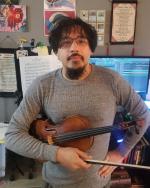
Garrett Fischbach
I am a tenured member of the Grammy Award–winning Metropolitan Opera Orchestra. I offer inspiring violin and viola lessons for enthusiastic intermediate and advanced players, whether they are pursuing careers in music or playing simply for the enjoyment music brings to their life.
$150.00 / 60 min
4 Years on Lessonface
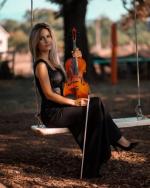
Joshua L Arrieta
[4.89 rating over 46 reviews from another lesson platform] Joshua has been a musician for over twenty-five years and has been teaching for ten. He is an award winning composer, critical thinker, and an straight-forward teacher. Joshua has a high standards for his students and himself. Joshua has studied Suzuki method under Dr.
$24.00 / 30 min
7 Years on Lessonface
Ana K.
Hello! I'm Ana and I'm a graduated violist, a permanent member of Symphony orchestra "Stanislav Binicki" in Belgrade, Serbia. Before passing the audition in orchestra in January of 2017, I was a professor of viola and violin in a special boarding school for musically gifted children "Skola za muzicke talente Cuprija", for five years.
$32.00 / 30 min

8 Years on Lessonface
Esther Howard
My passion is music! I started to play the piano and violin when I was five years old. Through the years, I learned many instruments, but finally focused on violin. I have performed professionally throughout the years with many different musical groups, including The New Music Festival Orchestra, the New Wilmington Opera Guild, the Greenville Orchestra, the Ashtabula Area…
$29.00 / 30 min
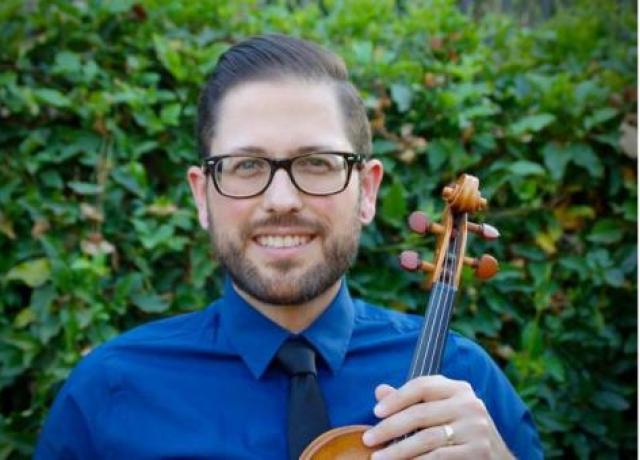
Photo: Miguel Ramirez
Very effective teaching technique with clarity easy to understand

Want help finding your ideal viola teacher?
Fill out the quick form and teachers who fit your needs will be in touch.
Photo: Jeremy Egerton


Great Viola Teachers
Through our longstanding commitment to treat teachers equitably, we work with phenomenal instructors — including members of the MET Orchestra, Juilliard and Berklee alumni, GRAMMY® winners and nominees, and many other professional educators.
View Teachers 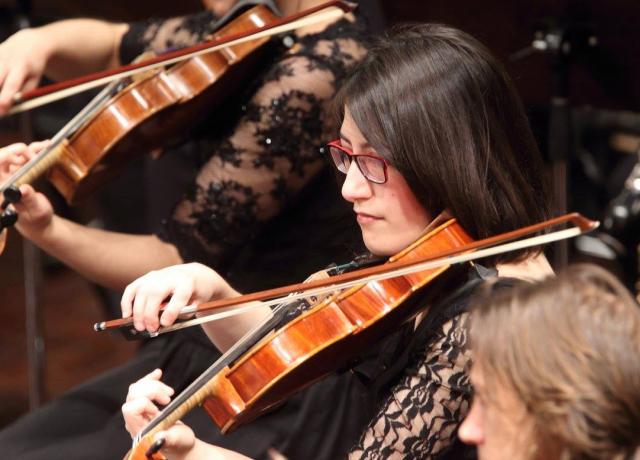
Photo: Priscilla Panzeri
About Viola Lessons at Lessonface
Find a great teacher, securely book a first lesson or trial, and meet via Zoom. Lessonface handles the lesson links and sends you reminders. Recordings, assignments, and notes are easy to access before, during, and after the lesson.
View Teachers 











Latest from the Blog
Tips, stories, and interviews from the Viola community.


Lessonface Guarantee
Reach out to tell us within 48-hours of taking an unsatisfactory lesson, class, or course, and we will offer you a refund. Read more about the guarantee.

Designed for All Ages
Creating a joyful, safe, and convenient educational experience for our students is our goal. Learn more about our kid-friendly features here, or read our privacy policy and safety precautions here.
Have more questions? Check out our FAQ, or reach out.
About Lessonface
At Lessonface, we've held our mission of helping students achieve their goals while treating teachers equitably for over ten years. We're here to help you connect to your ideal teacher and make real progress. Please reach out with any questions or concerns.
 Claire Cunningham
- Founder & CEO
What is Lessonface?
Lessonface is a Public Benefit Corporation operating since 2012 whose purpose is to connect students with great teachers for music, language, and arts lessons. Teachers on Lessonface set their own rates and profiles, and students can select their ideal teachers based on their background, teaching style, rates, and schedule.
How do online Viola lessons work?
Online lessons are effective, affordable, and accessible. Lessonface qualifies teachers in over 300 music, language, and arts subjects, including Viola. Students can browse teachers' profiles, send them messages, and book lessons securely through Lessonface. Lessons happen via Zoom links that are securely generated for each lesson, and can be easily recorded by the teacher. Recordings, notes, and attachments can all be accessed from within the Lessonface dashboard. Lessons can be booked one at a time, in packages, or by subscription to save a spot on the teacher's calendar. Lessonface hosts recitals, open mics, group classes, and self-paced courses too. Registering an account is free so it's easy to get started reaching out to find your ideal instructor. Contact us with any further questions!
What is the best method for learning Viola ?
We're biased, of course, but at Lessonface we believe the best way to learn Viola is through one-on-one lessons. Personalized instruction means your teacher can tailor every lesson to your goals, learning style, and skill level. Online group classes can also be a great way to make learning fun and social. Learning Viola online makes it easy to stay consistent, which is essential to steady progress.
There are plenty of apps and YouTube videos out there to help with learning Viola, but most teachers agree that those resources work best as supplements to, not replacements for, one-on-one instruction. A skilled Viola teacher can identify bad habits before they become ingrained, help you focus on what matters most, and solve problems as soon as they arise, often saving you months of frustration and wasted practice time. The bottom line? A real teacher accelerates your progress and keeps you on the right path from day one.
How do I find the best teacher for me for Viola lessons?
With over 100 qualified Viola teachers who have together earned an average of 4.99 out of 5 stars over 1175 lesson reviews by verified students, you can be sure to find a great instructor at Lessonface.
Lessonface offers free tools to help you find the ideal tutor for you or your family:
- Use the open filtering system
- Use our matching service to describe your background, scheduling preferences, and any particular goals, and qualified Viola teachers will respond.
You can view teachers' bios, accolades, rates, send them a message and book lessons from their profiles.
Many teachers offer a free trial, and you can book lessons one at a time until you decide you prefer to book a bundle or subscribe, so don't hesitate to try. Teachers may also offer group classes, self-paced courses, and downloadable content, so there are more ways to get started while you're still getting acquainted with the community.
How much do Viola lessons cost?
Viola teachers on Lessonface set their own rates. Rates are displayed on the teachers' profile pages and in the checkout process prior to booking. Teachers may choose to change their rates for new bookings, and students will always be notified prior to making payment. The average paid for a Viola lesson on Lessonface in the past 12 months was $44.65. Some Viola teachers offer a free trial lesson to new students, which are not factored into the average prices.
How does payment work for Viola lessons?
There is no fee until you book your first paid lesson. Many teachers offer free trial lessons. Students can opt to book one a time, or purchase lesson packages or subscriptions for scheduling convenience, and, depending on the teachers, a discount. Payment can be made by credit card or Paypal. Lessons booked with a subscription are pre-paid three days before the end of the month for lessons that are scheduled for the following month. Subscription payments can only be made by credit card (not Paypal). Teachers receive their payment after the lesson has been completed.
What is a viola, and how is it different from a violin?
The viola is a bowed string instrument and a close cousin of the violin. To the untrained eye they look nearly identical, but there are some meaningful differences between the two.
The most obvious difference is size. The viola is larger than the violin — typically between 15 and 17 inches in body length compared to the violin's standardized 14 inches. This larger size gives the viola a deeper, warmer, and more resonant tone that many players describe as darker and more mellow than the violin's brighter, more penetrating sound.
The two instruments are also tuned differently. The violin is tuned G-D-A-E, while the viola is tuned C-G-D-A — a perfect fifth lower than the violin. This lower range sits in a uniquely expressive middle register, neither as high as the violin nor as low as the cello, which gives the viola a distinctive voice in chamber and orchestral music.
The viola also uses a different clef. While most instruments read treble clef, the viola primarily reads alto clef — a somewhat unusual clef that sits right in the middle of the staff. Learning alto clef is one of the distinctive early challenges of taking up the viola.
In an orchestra, the viola section sits between the violins and the lower strings, playing an inner harmony role that is crucial to the ensemble's overall sound. This behind-the-scenes role is changing, with more composers and soloists putting the viola front and center.
Should I learn violin or viola? Is it easy to switch from one to the other?
Whether you should choose violin or viola depends on what inspires you to learn in the first place.
If you're drawn to the idea of playing melodies, having a wealth of solo repertoire to explore, and taking on a lead voice in ensembles, violin is the natural choice. The violin has a vast solo tradition, a huge teaching infrastructure, and an enormous range of repertoire from baroque to contemporary.
If you're drawn to a warmer, darker sound, the idea of playing rich inner harmonies in chamber and orchestral settings, and being part of a smaller and somewhat more tight-knit playing community, viola may be the more rewarding choice. Violists are also genuinely in demand — good violists are always needed in orchestras, chamber groups, and string quartets, which means opportunities to play with others tend to come more readily.
The good news if you're still undecided: switching between the two is very manageable at any stage. The technique is closely related, the fingering patterns are the same, and most of what you learn on one instrument transfers directly to the other. The main adjustments when switching are adapting to the size difference, relearning the tuning, and for violinists moving to viola, learning to read alto clef.
In fact, playing both is common enough that many teachers offer lessons on both instruments. If you start on one and develop a curiosity about the other, exploring both with the same teacher is often a natural next step. Many string players study and perform on both throughout their lives, and starting on one definitely doesn't close the door on the other.
What styles of music can I play on the viola?
The viola is most closely associated with classical music, and its classical credentials are extraordinary. It's a cornerstone of the orchestra, an indispensable voice in string quartets and other chamber ensembles, and the subject of a rich (if sometimes overlooked) solo repertoire. Composers like Bartók, Hindemith, and Walton wrote major viola concertos, and the chamber music repertoire for viola is vast and deeply rewarding.
Folk music is another natural home for the viola. It appears in Celtic and Irish folk traditions, Appalachian fiddle music, and various Eastern European folk styles. The viola's warm, dark tone translates beautifully to folk idioms, and many classically trained violists find folk music a joyful and liberating parallel pursuit.
Beyond these, the viola has a growing presence in contemporary and experimental music, where its distinctive warm, dark voice makes it an appealing choice for composers and players looking for something different. It also appears in indie rock and pop string arrangements, and jazz violists, while rare, have carved out a genuine niche.
The truth is that the viola's range is limited more by tradition and perception than by the instrument itself. Whatever style of music you love, it's worth exploring whether viola has a place in it — it often does, and a good teacher can help you find that path.
What's the hardest part of learning viola?
Every instrument has its particular challenges, and the viola has a few that are worth knowing about going in — so you know what to expect and can hit the ground running.
The first challenge is physical. The viola is larger and heavier than the violin, and holding it in playing position places real demands on the left arm, shoulder, and neck. Finding the right shoulder rest and chin rest setup is important, and a good teacher will help you find a position that is comfortable and sustainable from the start. Good posture habits established early make a real difference in how the instrument feels over time.
The second challenge is alto clef. Most musicians read treble clef, but the viola primarily uses alto clef, which places middle C on the middle line of the staff. For complete beginners this is simply something to learn from the start. For players coming from violin or other treble clef instruments, it requires genuine retraining that takes patience and consistent practice.
Tone production is a third area that takes time to develop. The viola's larger body requires a slower, heavier bow stroke than the violin to draw out its full, resonant sound. Getting a rich, singing tone is a central focus of early viola study, and the moment it starts to come together is genuinely exciting.
Plenty of people take up viola as adults and make beautiful music. A good teacher will guide you through all of these areas systematically and help you enjoy the process along the way.
How do I choose the right size viola for myself or for my child?
Viola sizing is more complicated than violin sizing, and it's one of the areas where getting good guidance really pays off.
For children, viola size is determined primarily by arm length. The standard approach is to have the child extend their left arm and measure from the neck to the middle of the palm — this measurement corresponds to recommended viola sizes, which range from small fractional sizes up to full size. Most children work their way up through progressively larger instruments as they grow, and renting rather than buying makes a lot of sense at this stage.
For adults, sizing is less straightforward. Unlike the violin, which has a standardized full size, violas come in a range of full sizes — typically from 15 to 17 inches in body length — and there is no single "correct" size for an adult player. The right size depends on a combination of arm length, hand size, and personal comfort. A larger viola generally produces a richer, fuller tone, but it also places greater physical demands on the player. Many adult beginners find that a 15.5 or 16 inch viola strikes a good balance between sound and playability.
The most important advice is to try before you buy. What feels comfortable in your hands and under your chin is ultimately more important than any measurement formula. A teacher can be invaluable here — many will help new students try different sizes before committing, and a good instrument shop with knowledgeable staff is equally important.