





Find Your Ideal Percussion Teacher for Lessons Online
For beginners to advanced, kids & adults, these excellent Percussion teachers are vetted by staff experts and reviewed by verified students of online lessons at Lessonface.
View All Teachers Related Topics
Discover experienced, passionate Percussion teachers to help you reach your next level.
100+
Vetted Teachers
5.0
Average Rating
890+
Student Ratings
~$36
Avg. Lesson Price
View All Teachers

2 Years on Lessonface
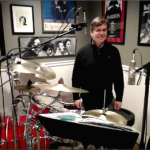
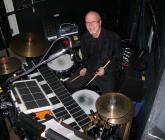
Aaron Crouch
In a fun and engaging atmosphere we will develop the tools of musicality. I'm as comfortable with an absolute beginner as an advanced student. I've been a professional drummer and keyboardist for 17 years. Thirteen of these were touring with Ringling Brothers & Barnum and Bailey Circus. I've performed on cruise ships, in clubs and bars, and in concert halls.
$25.00 / 30 min

11 Years on Lessonface
Larry Salzman
Drum & Hand Percussion Lessons – Online & In-Person in Orange County,CA Hello, my name is Larry Salzman. I have been teaching private lessons on hand percussion and drum set for over twenty five years. I offer lessons at all skill levels, from total beginners to advanced players. I am a global teacher with students across North America and Europe.
$35.00 / 30 min

6 Years on Lessonface
Pedro Ceres
My name is Pedro Cereghetti. I am 29 years old and I live in Argentina. I have studied in Escuela de Musica Contemporanea(Beerkle College of Music). My central idea of learning is to offer different music styles, techniques exercises and especially the music that the student want to learn.
$15.00 / 30 min
6 Years on Lessonface
Cahaya Drucilla
I approach music with a holistic mindset: with work ethic and discipline, yet also empathy and passion from the student's perspective. I see music as a tool to enhance the expression that already exists within the individual, while pinpointing necessary skills that still need to be developed.
$35.00 / 30 min
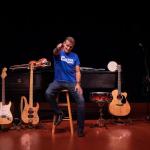
Photo: Sam Hernandez
Great instructor. Knowledgeable, patient, and obviously has lot of expert experience. Tailored my lesson to my requirements and expectations. It was a thoroughly enjoyable lesson. I was able to start playing from my first lesson!

Want help finding your ideal percussion teacher?
Fill out the quick form and teachers who fit your needs will be in touch.
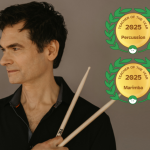
Photo: Tom Teasley

Great Percussion Teachers
Through our longstanding commitment to treat teachers equitably, we work with phenomenal instructors — including members of the MET Orchestra, Juilliard and Berklee alumni, GRAMMY® winners and nominees, and many other professional educators.
View Teachers 
Photo: Facundo Alvarez
About Percussion Lessons at Lessonface
Find a great teacher, securely book a first lesson or trial, and meet via Zoom. Lessonface handles the lesson links and sends you reminders. Recordings, assignments, and notes are easy to access before, during, and after the lesson.
View Teachers Learn Percussion at your own pace with self-paced courses.
9
Self-Paced Courses
5.0
Average Rating
RHYTHM, King of the Omniverse: how to use it, speak it, arrange it and produce it
 Byron Fry
 12 chapters
$49.00


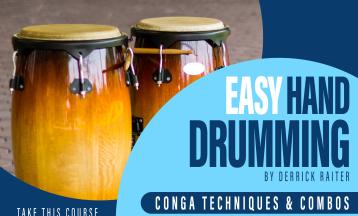
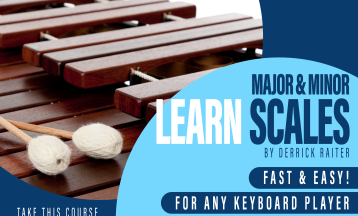
Downloadable materials include packs, guides, and exercises to help you learn.
4
Downloadables
Students have given their Lessonface
lessons over
39,400+ reviews.
Michelle is a great teacher. She explains really well and guides how to improve whilst maintaining the fun of playing.
Great teacher! Very knowledgeable! Thank you!
Superb lessons. I asked Giorgio to help with my tempo and I am provided really good exercises to correct my tempo, I have been trying for years to fix my tempo and it feels Giorgio is guiding me really well in this.
I found the first lesson very helpful and practical for playing my handpan. Thank you!
Excellent instructor. My son tried a couple lessons with Alison and loved them. She's great with kids and is extremely knowledgeable about music training. It's hard to keep a 9 year old's attention, but she's absolutely wonderful with him. I've signed up for a subscription because of how well they went.












Latest from the Blog
Tips, stories, and interviews from the Percussion community.

Lessonface Guarantee
Reach out to tell us within 48-hours of taking an unsatisfactory lesson, class, or course, and we will offer you a refund. Read more about the guarantee.

Designed for All Ages
Creating a joyful, safe, and convenient educational experience for our students is our goal. Learn more about our kid-friendly features here, or read our privacy policy and safety precautions here.
Have more questions? Check out our FAQ, or reach out.
About Lessonface
At Lessonface, we've held our mission of helping students achieve their goals while treating teachers equitably for over ten years. We're here to help you connect to your ideal teacher and make real progress. Please reach out with any questions or concerns.
 Claire Cunningham
- Founder & CEO
What is Lessonface?
Lessonface is a Public Benefit Corporation operating since 2012 whose purpose is to connect students with great teachers for music, language, and arts lessons. Teachers on Lessonface set their own rates and profiles, and students can select their ideal teachers based on their background, teaching style, rates, and schedule.
How do online Percussion lessons work?
Online lessons are effective, affordable, and accessible. Lessonface qualifies teachers in over 300 music, language, and arts subjects, including Percussion. Students can browse teachers' profiles, send them messages, and book lessons securely through Lessonface. Lessons happen via Zoom links that are securely generated for each lesson, and can be easily recorded by the teacher. Recordings, notes, and attachments can all be accessed from within the Lessonface dashboard. Lessons can be booked one at a time, in packages, or by subscription to save a spot on the teacher's calendar. Lessonface hosts recitals, open mics, group classes, and self-paced courses too. Registering an account is free so it's easy to get started reaching out to find your ideal instructor. Contact us with any further questions!
What is the best method for learning Percussion ?
We're biased, of course, but at Lessonface we believe the best way to learn Percussion is through one-on-one lessons. Personalized instruction means your teacher can tailor every lesson to your goals, learning style, and skill level. Online group classes can also be a great way to make learning fun and social. Learning Percussion online makes it easy to stay consistent, which is essential to steady progress.
There are plenty of apps and YouTube videos out there to help with learning Percussion, but most teachers agree that those resources work best as supplements to, not replacements for, one-on-one instruction. A skilled Percussion teacher can identify bad habits before they become ingrained, help you focus on what matters most, and solve problems as soon as they arise, often saving you months of frustration and wasted practice time. The bottom line? A real teacher accelerates your progress and keeps you on the right path from day one.
How do I find the best teacher for me for Percussion lessons?
With over 100 qualified Percussion teachers who have together earned an average of 5 out of 5 stars over 893 lesson reviews by verified students, you can be sure to find a great instructor at Lessonface.
Lessonface offers free tools to help you find the ideal tutor for you or your family:
- Use the open filtering system
- Use our matching service to describe your background, scheduling preferences, and any particular goals, and qualified Percussion teachers will respond.
You can view teachers' bios, accolades, rates, send them a message and book lessons from their profiles.
Many teachers offer a free trial, and you can book lessons one at a time until you decide you prefer to book a bundle or subscribe, so don't hesitate to try. Teachers may also offer group classes, self-paced courses, and downloadable content, so there are more ways to get started while you're still getting acquainted with the community.
How much do Percussion lessons cost?
Percussion teachers on Lessonface set their own rates. Rates are displayed on the teachers' profile pages and in the checkout process prior to booking. Teachers may choose to change their rates for new bookings, and students will always be notified prior to making payment. Some Percussion teachers offer a free trial lesson to new students, which are not factored into the average prices.
How does payment work for Percussion lessons?
There is no fee until you book your first paid lesson. Many teachers offer free trial lessons. Students can opt to book one a time, or purchase lesson packages or subscriptions for scheduling convenience, and, depending on the teachers, a discount. Payment can be made by credit card or Paypal. Lessons booked with a subscription are pre-paid three days before the end of the month for lessons that are scheduled for the following month. Subscription payments can only be made by credit card (not Paypal). Teachers receive their payment after the lesson has been completed.
What is percussion, and what instruments does it include?
Percussion is one of the oldest and most universal categories in music. At its simplest, a percussion instrument is any instrument played by striking, shaking, scraping, or hitting — which makes percussion one of the broadest families in all of music.
Most people think of drums first, and drums are certainly central. But the percussion family is much wider than that:
- Drums and drum kit — the drum set, snare drum, bass drum, hand drums like the djembé and conga, and orchestral drums like the timpani
- Keyboard percussion — instruments with pitched bars arranged like a piano keyboard: marimba, xylophone, vibraphone, glockenspiel, and crotales
- Cymbals and accessories — hi-hats, crash and ride cymbals, tambourine, triangle, and castanets
- Shakers and rattles — maracas, shakers, and countless world percussion instruments that produce sound through shaking
- Pitched percussion — instruments that produce specific pitches, including the steel pan, handpan, and bells
- World and folk percussion — the djembé, tabla, cajon, bongos, and hundreds of other instruments from traditions across every continent
What makes percussion unique as a study is how much variety it encompasses. A percussionist in a symphony orchestra plays an entirely different set of instruments from a trap drummer in a jazz band, who plays differently again from a tabla player in a Hindustani classical ensemble. Percussion lessons on Lessonface cover this full range — from drum kit to marimba to hand percussion and beyond.
What instruments do I need at home to start taking percussion lessons?
The answer depends on which direction you want to go — and the good news is that most percussion paths have an affordable starting point. Here are your options, roughly in order of accessibility and cost. If you're not sure which direction to go, book a trial lesson first — your teacher is the best person to advise you on exactly what to buy for your specific goals.
- Practice pads are the simplest and most affordable starting point of all. A rubber or mesh pad mimics the feel of a drumhead and lets you work on rudiments, technique, and stick control silently and inexpensively. Many experienced drummers still use them daily. A practice pad and a pair of sticks is all you need for your first lessons.
- Hand percussion — cajons, djembés, bongos, congas, and similar instruments — are among the most accessible in all of music. Relatively affordable, no amplification required, and manageable in most living situations.
- Electronic instruments are the most practical option for students who want a fuller setup without disturbing neighbors. Electronic drum kits are quieter than acoustic kits, more compact, and work well for beginners. Electronic keyboard percussion instruments are similarly useful for students exploring marimba or vibraphone.
- Bell kits and practice xylophones are the realistic home option for keyboard percussion — affordable and compact, covering the basics well for beginners.
- Acoustic drum kits are loud, bulky, and a significant investment. Most beginners don't start here unless they have the space and a tolerant household.
- Orchestral instruments like timpani and concert snare are typically accessed through school programs or rehearsal spaces rather than purchased for home use.
What are rudiments, and why are they so fundamental to percussion?
Rudiments are the fundamental patterns and strokes that form the technical foundation of drumming and percussion. Think of them the way a musician might think of scales — not music in themselves, but the building blocks everything else is built from. Most rudiments are combinations of single strokes, double strokes, and rolls, arranged into patterns that develop the hands' speed, control, and independence.
The Percussive Arts Society recognizes 40 standard rudiments, organized into families: rolls, diddles, flams, and drags. You don't need to master all 40 to be a good drummer — but working through them systematically builds a toolkit that shows up constantly in real playing.
Why are they so important? A few reasons:
- Hand independence and control — rudiments train each hand to work with precision, consistency, and evenness, which underpins everything from a basic rock beat to a complex jazz fill
- Speed and endurance — the muscle memory developed through rudiment practice allows drummers to play quickly without tensing up or losing control
- Vocabulary — rudiments are patterns you'll recognize inside the music of every style and genre, from marching band to jazz to Brazilian samba
- Transferability — rudiments practiced on a snare drum or practice pad transfer directly to drum kit, marimba, and other percussion instruments
Rudiments can feel dry and repetitive at first — that's normal. Most students find that once they hear them appearing in real music, the practice clicks into place. A good teacher keeps rudiment work connected to the music you actually want to play.
What is the difference between a drummer and a percussionist?
In casual conversation the two words are often used interchangeably. But among musicians there's a real distinction, and it's worth understanding.
A drummer typically refers to someone who plays the drum kit — the trap set of bass drum, snare, toms, hi-hat, and cymbals that anchors a rock, jazz, pop, or funk band. Drumming in this sense is a specialized discipline with its own deep technique, vocabulary, and culture.
A percussionist is a broader term. It refers to someone trained across the full range of percussion instruments — drum kit, yes, but also snare drum, marimba, xylophone, vibraphone, timpani, cymbals, and the wide world of hand percussion and auxiliary instruments. Orchestral and concert band musicians who play percussion are almost always percussionists in this broader sense — they might play timpani in one piece, marimba in another, and triangle in a third.
In practice the distinction often comes down to training and context:
- A rock or pop drummer may have deep kit skills and little experience on keyboard percussion or orchestral instruments
- A classically trained percussionist may be highly skilled on marimba and snare but less comfortable behind a full drum kit
- Many working musicians are genuinely both — particularly in jazz, musical theater, and studio work, where versatility is an asset
In summary, they're different specializations within the same broad family. When you're looking for a teacher, it's worth knowing which direction you want to lean — or whether you want to explore both.