







Find Your Ideal Artist Development Teacher for Lessons Online
For beginners to advanced, kids & adults, these excellent Artist Development teachers are vetted by staff experts and reviewed by verified students of online lessons at Lessonface.
View All Teachers Discover experienced, passionate Artist Development teachers to help you reach your next level.

7 Years on Lessonface
Clayton Dawson
I am not currently accepting new students at this time. If you wish to schedule a lesson with me, please communicate this with me and we can make sure to find a time that fits out schedules. I have been playing music for 20 years over a variety of instruments including piano, bass guitar, acoustic and electric guitar, vocals, kit, trumpet, flute, and many more.
$15.00 / 30 min

6 Years on Lessonface
Peter Furlong
As an internationally acclaimed tenor, I've been teaching voice for 17 years in a fun, motivating, educational, and highly effective way. I am passionate about helping my students find confidence and core strength in their singing through the study of solid technique and interpretation. The focus of lessons is always you, the student.
$40.00 / 30 min

8 Years on Lessonface
Kris Hawkins
I've been working professionally in music for more than 20 years as a producer, audio engineer, musician, composer, and arranger. I've had the opportunity to work with artists including Beyoncé, Christina Aguilera, Enrique Iglesias, Dr. Dre, and others, along with producing music that has been placed in television and commercial media.
$35.00 / 30 min
6 Years on Lessonface
Amanda Austin
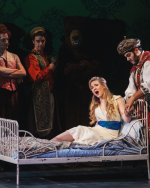
*Please send me a private message to schedule a trial lesson.* Hello, I am Amanda Austin, a Sing! Collective instructor for Lessonface. I am a professional operatic soprano and voice instructor sharing the knowledge that I have acquired in 20 years of collective private training, performance, and vocal pedagogy.
$62.50 / 30 min
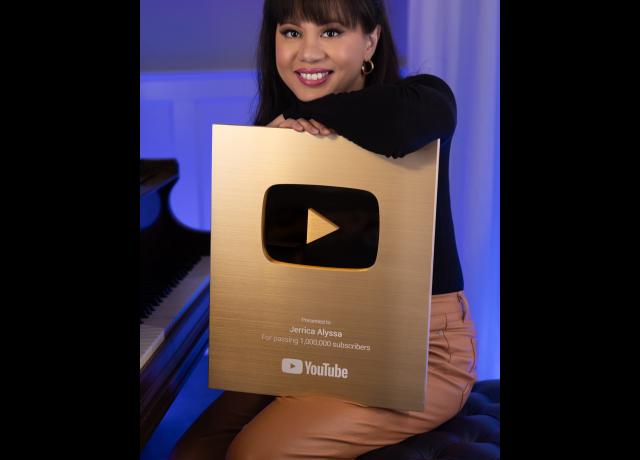
Photo: Jerrica Alyssa
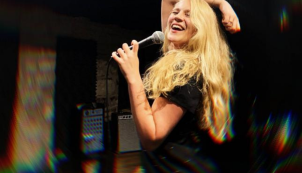
I can confidently say that Jerrica is the best singing teacher I've ever had. She routinely upgrades her recording technology just so she can hear you better when you sing. The level of attention and detail she dedicates to pop music is truly inspiring. Jerrica brings to the classroom what years of industry experience has taught her and does so with an infectious joyful attitude that really encourages you to become a better singer. Jerrica really puts everything into her lessons. I 100% recommend her as a teacher.

Want help finding your ideal artist development teacher?
Fill out the quick form and teachers who fit your needs will be in touch.

Photo: Jenessa Castano


Great Artist Development Teachers
Through our longstanding commitment to treat teachers equitably, we work with phenomenal instructors — including members of the MET Orchestra, Juilliard and Berklee alumni, GRAMMY® winners and nominees, and many other professional educators.
View Teachers 
Photo: Aubrey Lauren
About Artist Development Lessons at Lessonface
Find a great teacher, securely book a first lesson or trial, and meet via Zoom. Lessonface handles the lesson links and sends you reminders. Recordings, assignments, and notes are easy to access before, during, and after the lesson.
View Teachers 











Latest from the Blog
Tips, stories, and interviews from the Artist Development community.


Lessonface Guarantee
Reach out to tell us within 48-hours of taking an unsatisfactory lesson, class, or course, and we will offer you a refund. Read more about the guarantee.

Designed for All Ages
Creating a joyful, safe, and convenient educational experience for our students is our goal. Learn more about our kid-friendly features here, or read our privacy policy and safety precautions here.
Have more questions? Check out our FAQ, or reach out.
About Lessonface
At Lessonface, we've held our mission of helping students achieve their goals while treating teachers equitably for over ten years. We're here to help you connect to your ideal teacher and make real progress. Please reach out with any questions or concerns.
 Claire Cunningham
- Founder & CEO
What is Lessonface?
Lessonface is a Public Benefit Corporation operating since 2012 whose purpose is to connect students with great teachers for music, language, and arts lessons. Teachers on Lessonface set their own rates and profiles, and students can select their ideal teachers based on their background, teaching style, rates, and schedule.
How do online Artist Development lessons work?
Online lessons are effective, affordable, and accessible. Lessonface qualifies teachers in over 300 music, language, and arts subjects, including Artist Development. Students can browse teachers' profiles, send them messages, and book lessons securely through Lessonface. Lessons happen via Zoom links that are securely generated for each lesson, and can be easily recorded by the teacher. Recordings, notes, and attachments can all be accessed from within the Lessonface dashboard. Lessons can be booked one at a time, in packages, or by subscription to save a spot on the teacher's calendar. Lessonface hosts recitals, open mics, group classes, and self-paced courses too. Registering an account is free so it's easy to get started reaching out to find your ideal instructor. Contact us with any further questions!
What is the best method for learning Artist Development ?
We're biased, of course, but at Lessonface we believe the best way to learn Artist Development is through one-on-one lessons. Personalized instruction means your teacher can tailor every lesson to your goals, learning style, and skill level. Online group classes can also be a great way to make learning fun and social. Learning Artist Development online makes it easy to stay consistent, which is essential to steady progress.
There are plenty of apps and YouTube videos out there to help with learning Artist Development, but most teachers agree that those resources work best as supplements to, not replacements for, one-on-one instruction. A skilled Artist Development teacher can identify bad habits before they become ingrained, help you focus on what matters most, and solve problems as soon as they arise, often saving you months of frustration and wasted practice time. The bottom line? A real teacher accelerates your progress and keeps you on the right path from day one.
How do I find the best teacher for me for Artist Development lessons?
With over 100 qualified Artist Development teachers who have together earned an average of 4.99 out of 5 stars over 177 lesson reviews by verified students, you can be sure to find a great instructor at Lessonface.
Lessonface offers free tools to help you find the ideal tutor for you or your family:
- Use the open filtering system
- Use our matching service to describe your background, scheduling preferences, and any particular goals, and qualified Artist Development teachers will respond.
You can view teachers' bios, accolades, rates, send them a message and book lessons from their profiles.
Many teachers offer a free trial, and you can book lessons one at a time until you decide you prefer to book a bundle or subscribe, so don't hesitate to try. Teachers may also offer group classes, self-paced courses, and downloadable content, so there are more ways to get started while you're still getting acquainted with the community.
How much do Artist Development lessons cost?
Artist Development teachers on Lessonface set their own rates. Rates are displayed on the teachers' profile pages and in the checkout process prior to booking. Teachers may choose to change their rates for new bookings, and students will always be notified prior to making payment. The average paid for a Artist Development lesson on Lessonface in the past 12 months was $47.38. Some Artist Development teachers offer a free trial lesson to new students, which are not factored into the average prices.
How does payment work for Artist Development lessons?
There is no fee until you book your first paid lesson. Many teachers offer free trial lessons. Students can opt to book one a time, or purchase lesson packages or subscriptions for scheduling convenience, and, depending on the teachers, a discount. Payment can be made by credit card or Paypal. Lessons booked with a subscription are pre-paid three days before the end of the month for lessons that are scheduled for the following month. Subscription payments can only be made by credit card (not Paypal). Teachers receive their payment after the lesson has been completed.
What is Artist Development, and how is it different from regular music lessons?
Artist development is the work of growing into your full potential as a performer and creative artist. Where regular music lessons focus primarily on technical skills — learning to sing in tune, developing breath support, building repertoire — artist development zooms out to the bigger picture: who you are as an artist, how you present yourself, and what you're working toward.
In practice, artist development lessons might cover:
- Stage presence and performance confidence: learning to command an audience, connect with a room, and perform with authenticity rather than just technical correctness
- Artistic identity: developing a clear sense of your voice, your style, and what makes your artistry distinctive
- Repertoire strategy: choosing material that showcases your strengths and serves your goals, whether that's auditions, original music, or live performance
- Performance preparation: working through specific pieces or sets with an eye toward how they'll land on an audience
- Career and goal setting: understanding the landscape of your art form and making intentional choices about where you want to go
On Lessonface, artist development draws students from a wide range of backgrounds, though it tends to be especially popular among vocalists and musical theatre performers. That said, the principles apply broadly — any performing artist can benefit from this kind of focused, big-picture coaching.
The most important thing is finding a teacher who specializes in your art form. A good artist development coach doesn't just teach you to perform better — they help you figure out what you're performing for.
Is Artist Development only for people who want a professional career?
Not at all. Artist development is valuable for anyone who wants to grow as a performer, regardless of where that path leads.
Many students who seek out artist development lessons have no interest in a professional career. They might be passionate amateurs who want to perform more confidently at open mics or community events. They might be singers who feel technically capable but unsure of their presence on stage. They might simply want to understand themselves better as artists — to develop a clearer sense of what they love, what they want to say, and how to say it more fully.
That said, artist development is also a serious tool for pre-professional and professional artists. Singers preparing for auditions, performers building a live show, and working artists looking to refine their stage presence all benefit from this kind of focused coaching. Some of the most meaningful work happens at this level, where technical skills are already solid and the question becomes how to use them with intention and impact.
What artist development is really about, at any level, is the relationship between you and your audience — learning to perform with presence, purpose, and authenticity. Those goals are just as meaningful for someone performing at a local recital as for someone preparing for a national tour.
If you're drawn to the idea of developing as an artist, that instinct is reason enough to explore it. A trial lesson with a teacher who specializes in your art form is a great place to start.
I don't know what kind of artist I want to be yet. Can Artist Development help?
Not knowing exactly what kind of artist you want to be is not a problem — it's actually a perfectly natural place to start, and artist development work is well suited to helping you figure it out.
Many students come to artist development lessons with a general sense that they want to perform, create, or express something, without a clear picture of what that looks like yet. That uncertainty is worth exploring rather than waiting to resolve on your own. A good artist development teacher will ask the right questions, help you identify what excites you, and give you experiences — performing, experimenting with repertoire, trying different styles — that sharpen your sense of direction over time.
In fact, some of the most valuable early work in artist development is exactly this kind of exploration. What material feels most alive when you perform it? What kind of audience do you want to reach? What do you want people to feel when they hear you? These aren't questions you answer once and move on — they evolve throughout an artist's life — but starting to ask them early gives your development real focus and momentum.
The one thing worth knowing is that finding the right teacher matters especially here. Look for someone whose own artistic background overlaps with the general direction you're drawn to, even if that direction is still vague. A teacher who works primarily with vocalists and musical theatre performers will bring different tools than one who works with instrumentalists or singer-songwriters.
I get terrible stage fright. Can Artist Development help?
Stage fright is one of the most common experiences in performing, and it's something artist development work addresses directly. If nerves have been holding you back, you're in exactly the right place.
Part of what makes artist development different from regular lessons is that performance itself is treated as a skill to develop, not just a byproduct of technical preparation. A good coach will help you understand what's happening when anxiety kicks in and give you concrete tools for managing it — breathing techniques, pre-performance routines, mental focus strategies, and ways of thinking about your relationship with an audience that reduce the pressure rather than amplify it.
Exposure is the other major piece. Stage fright tends to shrink with experience, and a good artist development teacher will create low-stakes performance opportunities — performing in lessons, recording yourself, singing for small groups — that build your tolerance and confidence gradually. The goal is to make performing feel familiar rather than exceptional.
It's also worth knowing that stage fright rarely goes away entirely, even for seasoned professionals. What changes is your relationship to it. Many experienced performers describe nerves as a source of energy rather than something to overcome. Learning to channel that energy rather than fight it is one of the most liberating skills a performer can develop.
If stage fright has been a barrier, mentioning it when you reach out to a teacher is a good idea. Many artist development coaches have deep experience with exactly this, and addressing it head-on from the start makes a real difference.
How do I find the right Artist Development coach for my goals?
Finding the right artist development coach starts with knowing what you're looking for — even if that picture is still forming.
The most important factor is artistic fit. Artist development is personal work, and a teacher whose own background and experience overlaps with your art form and goals will bring the most relevant tools and insight. On Lessonface, artist development tends to be especially strong in the vocal and musical theatre world, so if you're a singer or performer in that space, you'll find teachers with deep, specific experience.
A few things worth looking for when browsing teacher profiles:
- Performance background: look for teachers who have worked professionally in contexts relevant to yours. A coach who has navigated auditions, built a performance career, or worked with pre-professional artists brings firsthand knowledge that's hard to replicate.
- Teaching focus: some teachers split their time between technical instruction and artist development coaching; others focus primarily on the developmental and performance side. Knowing which you need helps narrow your search.
- Student results: reviews and testimonials can give you a real sense of how a teacher works and what students have achieved under their guidance.
- Personal connection: artist development involves honest, sometimes vulnerable conversations about your goals and identity as an artist. Finding someone you feel comfortable with matters as much as credentials.
A trial lesson is the best way to assess fit. Come with a sense of where you are, what you're working toward, and what's been holding you back. A good coach will know what to do with that.