














Find Your Ideal Metal Guitar Teacher for Lessons Online
For beginners to advanced, kids & adults, these excellent Metal Guitar teachers are vetted by staff experts and reviewed by verified students of online lessons at Lessonface.
View Teachers Discover experienced, passionate Metal Guitar teachers to help you reach your next level.
100+
Vetted Teachers
4.8
Average Rating
100+
Student Ratings
~$35
Avg. Lesson Price
View All Teachers

3 yrYears
Teaching on Lessonface
Josh Mundt
SCHEDULING: If you don't see your preferred lesson time in my availability please send me a message and we can look at alternative times! Hi my name is Josh and I have been playing guitar for over 20 years and have been teaching for more than a decade. I have a lot of experience as a working rock and jazz guitarist and am highly proficient in both styles.
$40.00 / 30 min

3 yrYears
Teaching on Lessonface
andrea iacoviello
2023 SUPERPROF USA GUITAR TEACHER OF THE YEAR I have been teaching guitar for almost 15 years and received a recommendation letter from a five-time Grammy Award winner (C. McQueen). I have a degree in guitar from the Modern Music Institute with a score of 100/100. I played live with Steve Vai in 2016.
$25.00 / 30 min

7 yrYears
Teaching on Lessonface
Brad Ward
Guitarists: Are YOU Stuck on the "Intermediate Plateau"? Are you tired of YouTube tutorials and still don't know what to work on next? You practice your chords and scales regularly. You may even know a few complete songs. So why does it feel like you're playing two different instruments? The secret to breaking the intermediate plateau is connecting the dots.
$50.00 / 30 min
6 yrYears
Teaching on Lessonface
Alon Mei-Tal
I teach fun, personalized guitar lessons to students of all ages and skill levels, and I've been at it since 2011. Choosing the right teacher for yourself or your child can potentially make the difference between a weekly obligation and a meaningful learning experience that can enrich your life!
$40.00 / 30 min

Photo: Matt Franceschini
I've been playing over 35 years and wanted to learn some new tricks. Matt is a great teacher and reignited my playing.

Want help finding your ideal metal guitar teacher?
Fill out the quick form and teachers who fit your needs will be in touch.
Join live sessions and learn Metal Guitar alongside others.
Upcoming Live Classes
4.9
Average Rating
100+
Student Ratings
~$91
Avg. Price





Photo: Chris Rupp



Great Metal Guitar Teachers
Through our longstanding commitment to treat teachers equitably, we work with phenomenal instructors — including members of the MET Orchestra, Juilliard and Berklee alumni, GRAMMY® winners and nominees, and many other professional educators.
View Teachers 
Photo: Alexander Reyes
About Metal Guitar Lessons at Lessonface
Find a great teacher, securely book a first lesson or trial, and meet via Zoom. Lessonface handles the lesson links and sends you reminders. Recordings, assignments, and notes are easy to access before, during, and after the lesson.
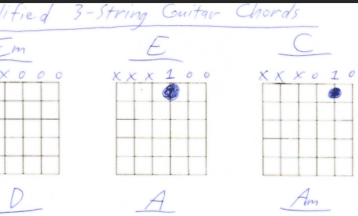
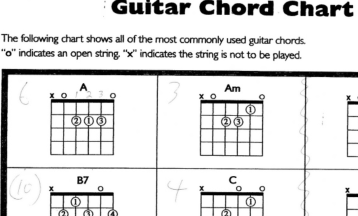
View Teachers Downloadable materials include packs, guides, and exercises to help you learn.
4
Downloadables













Latest from the Blog
Tips, stories, and interviews from the Metal Guitar community.


Lessonface Guarantee
Reach out to tell us within 48-hours of taking an unsatisfactory lesson, class, or course, and we will offer you a refund. Read more about the guarantee.

Designed for All Ages
Creating a joyful, safe, and convenient educational experience for our students is our goal. Learn more about our kid-friendly features here, or read our privacy policy and safety precautions here.
Have more questions? Check out our FAQ, or reach out.
About Lessonface
At Lessonface, we've held our mission of helping students achieve their goals while treating teachers equitably for over ten years. We're here to help you connect to your ideal teacher and make real progress. Please reach out with any questions or concerns.
 Claire Cunningham
- Founder & CEO
What is Lessonface?
Lessonface is a Public Benefit Corporation operating since 2012 whose purpose is to connect students with great teachers for music, language, and arts lessons. Teachers on Lessonface set their own rates and profiles, and students can select their ideal teachers based on their background, teaching style, rates, and schedule.
How do online Metal Guitar lessons work?
Online lessons are effective, affordable, and accessible. Lessonface qualifies teachers in over 300 music, language, and arts subjects, including Metal Guitar. Students can browse teachers' profiles, send them messages, and book lessons securely through Lessonface. Lessons happen via Zoom links that are securely generated for each lesson, and can be easily recorded by the teacher. Recordings, notes, and attachments can all be accessed from within the Lessonface dashboard. Lessons can be booked one at a time, in packages, or by subscription to save a spot on the teacher's calendar. Lessonface hosts recitals, open mics, group classes, and self-paced courses too. Registering an account is free so it's easy to get started reaching out to find your ideal instructor. Contact us with any further questions!
What is the best method for learning Metal Guitar ?
We're biased, of course, but at Lessonface we believe the best way to learn Metal Guitar is through one-on-one lessons. Personalized instruction means your teacher can tailor every lesson to your goals, learning style, and skill level. Online group classes can also be a great way to make learning fun and social. Learning Metal Guitar online makes it easy to stay consistent, which is essential to steady progress.
There are plenty of apps and YouTube videos out there to help with learning Metal Guitar, but most teachers agree that those resources work best as supplements to, not replacements for, one-on-one instruction. A skilled Metal Guitar teacher can identify bad habits before they become ingrained, help you focus on what matters most, and solve problems as soon as they arise, often saving you months of frustration and wasted practice time. The bottom line? A real teacher accelerates your progress and keeps you on the right path from day one.
How do I find the best teacher for me for Metal Guitar lessons?
With over 100 qualified Metal Guitar teachers who have together earned an average of 4.82 out of 5 stars over 102 lesson reviews by verified students, you can be sure to find a great instructor at Lessonface.
Lessonface offers free tools to help you find the ideal tutor for you or your family:
- Use the open filtering system
- Use our matching service to describe your background, scheduling preferences, and any particular goals, and qualified Metal Guitar teachers will respond.
You can view teachers' bios, accolades, rates, send them a message and book lessons from their profiles.
Many teachers offer a free trial, and you can book lessons one at a time until you decide you prefer to book a bundle or subscribe, so don't hesitate to try. Teachers may also offer group classes, self-paced courses, and downloadable content, so there are more ways to get started while you're still getting acquainted with the community.
How much do Metal Guitar lessons cost?
Metal Guitar teachers on Lessonface set their own rates. Rates are displayed on the teachers' profile pages and in the checkout process prior to booking. Teachers may choose to change their rates for new bookings, and students will always be notified prior to making payment. The average paid for a Metal Guitar lesson on Lessonface in the past 12 months was $42.60. Some Metal Guitar teachers offer a free trial lesson to new students, which are not factored into the average prices.
How does payment work for Metal Guitar lessons?
There is no fee until you book your first paid lesson. Many teachers offer free trial lessons. Students can opt to book one a time, or purchase lesson packages or subscriptions for scheduling convenience, and, depending on the teachers, a discount. Payment can be made by credit card or Paypal. Lessons booked with a subscription are pre-paid three days before the end of the month for lessons that are scheduled for the following month. Subscription payments can only be made by credit card (not Paypal). Teachers receive their payment after the lesson has been completed.
What kind of guitar and gear do I need to play metal guitar?
You don't need a massive rig to get started with metal. But the right basic setup makes a real difference — metal is a genre where gear shapes the sound in ways that matter more than in, say, folk or classical.
The guitar. A solid-body electric guitar is essential — acoustic guitars and hollow-bodies don't have the sustain or output metal requires. Guitars with humbucker pickups are strongly preferred; they produce a thicker, higher-output signal than single-coil pickups and handle high gain without excessive noise. Many metal players also prefer guitars with locking tuners or a fixed bridge, which help keep the instrument in tune during aggressive playing.
The amp. A high-gain amplifier — or an amp with a dedicated high-gain channel — is what produces that thick, distorted metal tone. You don't need a full stack to start; a smaller practice amp with a good gain channel, or even a modeling amp that simulates various amp sounds, works well for beginners.
Pedals. A distortion or overdrive pedal can supplement a lower-gain amp. Many metal players also use a noise gate pedal, which cuts the hum and feedback that high-gain settings tend to produce. Beyond that, pedals are optional early on.
Accessories:
- Heavy or extra-heavy picks — lighter picks tend to get lost in high-gain playing
- A tuner — essential, especially if you're experimenting with alternate tunings
- A cable and strap
The good news: a solid beginner metal setup doesn't have to be expensive. A decent guitar, a modest amp, and a few picks will get you further than you might expect.
What techniques are important to learn in metal guitar?
Metal guitar has one of the most demanding technical vocabularies of any genre. The good news is that you build it gradually, and even basic technique opens up a lot of music early on.
Rhythm technique comes first. Most metal is rhythm-guitar-heavy, and the foundation of metal rhythm playing is palm muting — resting the edge of your picking hand lightly against the strings near the bridge while you pick. It produces that tight, chunky, percussive sound that defines metal riffs. Alongside palm muting, tight and consistent alternate picking — striking the strings in a continuous down-up motion — is essential for speed, precision, and stamina.
Lead technique builds on top of that. Once you have solid rhythm fundamentals, lead playing opens up. Key areas include:
- Bending and vibrato — expressive control of individual notes, borrowed from blues but used heavily in metal soloing
- Legato — using hammer-ons and pull-offs to create smooth, flowing lines with less picking
- String skipping — jumping across non-adjacent strings to create wide interval leaps
- Sweep picking — using a fluid, raking motion across multiple strings to play arpeggios at high speed. It's one of the most visually impressive techniques in metal, but also one of the most challenging. Beginners shouldn't rush toward it — solid alternate picking and legato come first.
Music theory helps more than most beginners expect. Understanding scales, modes, and chord construction gives you the vocabulary to write riffs and solos rather than just copy them.
What makes metal guitar technique unique compared to other styles?
Every guitar style has its own technical priorities, and metal pushes several of them further than almost any other genre.
The most obvious difference is the emphasis on speed and precision. Blues and rock guitar value feel and expressiveness above technical perfection — a slightly sloppy bend or a laid-back rhythm can actually add character. In metal, timing and clarity are less forgiving. Fast alternate picking, tight palm muting, and clean articulation at high tempos require a level of mechanical precision that takes dedicated practice to develop.
Gain and tone management set metal apart too. High-gain distortion amplifies everything — including mistakes. Unwanted string noise, buzzing, and sympathetic vibrations that would be inaudible on a clean or lightly overdriven tone become glaring problems at metal gain levels. Metal players develop a whole set of muting techniques with both hands to control this, which players in other styles rarely need to think about.
A few other distinctions worth knowing:
- Classical guitar emphasizes fingerstyle technique and reading notation — useful background for music theory and precision, but the physical technique doesn't transfer directly
- Blues and rock share DNA with metal and transfer more readily — bending, vibrato, and pentatonic soloing all carry over, though metal extends well beyond them
- Jazz guitar shares the theory depth that advanced metal players draw on, particularly around modes and chord construction
- Acoustic and folk guitar develop strong rhythm fundamentals, but the right-hand technique differs significantly from electric playing
The technical demands of metal are high, but they're learnable — and many players find the precision it requires makes them better guitarists overall.
What are the main subgenres of metal, and how do they differ?
Metal has splintered into dozens of subgenres over the decades, each with its own sound, aesthetic, and technical demands. Here are the most important ones to know:
- Classic/traditional metal — the foundation. Think Black Sabbath, Judas Priest, and Iron Maiden. Rooted in blues-inflected riffs, melodic leads, and powerful vocals. Most beginner metal repertoire lives here.
- Thrash metal — faster, more aggressive, and more technically demanding than classic metal. Metallica, Megadeth, Slayer, and Anthrax defined the genre in the 1980s. Emphasizes speed, tight rhythm playing, and aggressive alternate picking.
- Death metal — extreme tempo, heavily distorted down-tuned guitars, complex rhythmic patterns, and growled vocals. Technically demanding and not a typical starting point for beginners.
- Black metal — raw, atmospheric, often lo-fi production. Characterized by tremolo-picked guitar lines, shrieked vocals, and a cold, abrasive sound.
- Power metal — melodic, fast, and often epic in scope. Think Helloween or DragonForce. Heavy emphasis on lead guitar, harmony, and classical influences.
- Progressive metal — complex song structures, odd time signatures, and strong music theory foundations. Tool and Dream Theater are key reference points.
- Doom metal — slow, heavy, and atmospheric. More about weight and texture than speed.
- Djent — a modern offshoot built around syncopated, heavily palm-muted rhythms on extended-range guitars. Periphery and Meshuggah are touchstones.
Most students start with classic or thrash metal and branch out as their technique develops.
Why do so many metal guitarists tune their guitars down, and what does that do to the sound?
Drop tuning is one of the most distinctive features of metal guitar, and it serves both a sonic and a practical purpose.
The most basic version is dropping the lowest string down one whole step — from E to D, giving you what's called Drop D tuning. From there, players can drop the entire guitar down by various intervals: half a step (Eb standard), a full step (D standard), and further still into C, B, and beyond. Some modern metal players use seven or eight string guitars to access even lower registers without retuning.
What does it actually do to the sound? A few things:
- Lower pitch and heavier tone — lower tunings produce a darker, heavier, more menacing sound that's central to many metal aesthetics
- Increased string tension flexibility — dropping tuning loosens string tension, which can make bending easier and give the strings a slightly different feel under the fingers
- Power chord accessibility — in Drop D, you can play a power chord on the lowest three strings with a single finger, which makes fast, heavy riffing significantly easier
- Heavier string gauges — lower tunings often pair with thicker strings to maintain tension and clarity, which affects both tone and playability
Different metal subgenres favor different tunings. Classic metal often stays close to standard E. Thrash tends to use Eb or D standard. Doom, death, and djent go much lower — sometimes into territory that requires a seven or eight string guitar to pull off effectively.
If you're just starting out, standard tuning is fine. Drop tunings are easy to explore once you have the basics down.